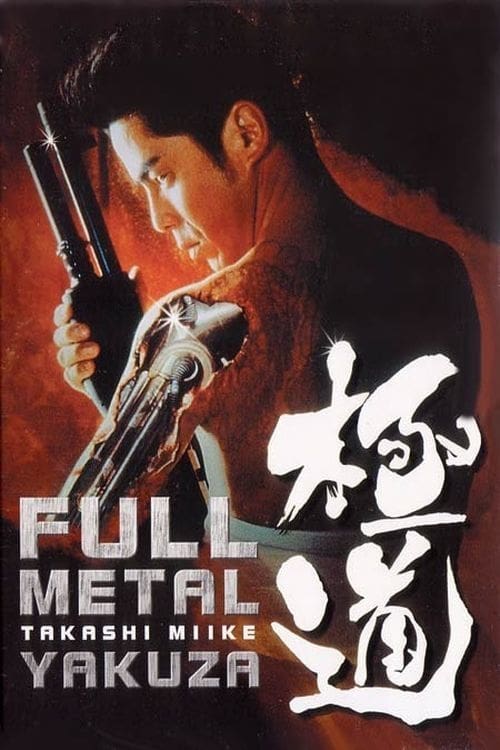
Full Metal Yakuza
1997
No user ratings available yet
Representation score: 7.9 out of 10
Representation Score
Fair
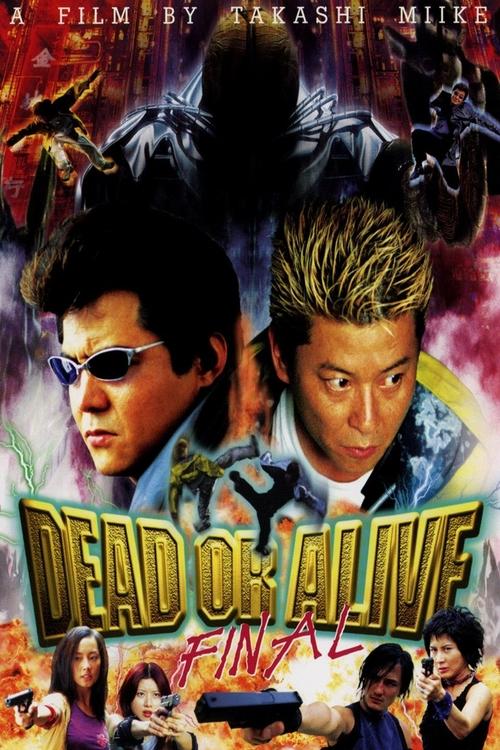
2002
Not RatedDirector
Takashi Miike
Runtime
89 minutes
Average Rating
No ratings yetNew Showbiz Analysis
Takashi Miike’s film is a work of postmodern style that prioritizes chaotic aesthetics and moral ambiguity over social representation. While it succeeds in challenging traditional morality and rejecting institutional authority, it remains traditional in its demographic makeup. The narrative's strength lies in its refusal to uphold singular, Western-centric moral ideals, opting instead for a fragmented exploration of human impulses. However, this focus on survival and combat comes at the expense of diverse character identities. Ultimately, the film operates within a specific cultural context that does not aim to engage with broader global ethnic diversity or varied identities.
Category Breakdown
The film does not prominently feature LGBTQ+ characters or stories centered around non-straight identities. There are no obvious queer themes or critiques of the assumption that everyone is straight.
Women are present and capable in this combat-heavy setting. However, the film follows traditional action dynamics and does not significantly disrupt gendered power structures or male leadership.
Set in Yokohama with a predominantly Japanese cast, the film does not actively seek to blend different races or engage with broader global ethnic diversity.
The film stands out by moving away from traditional Western moral frameworks. It uses extreme moral relativism, where the line between hero and villain is blurred by a nihilistic environment.
There is no significant portrayal of characters with disabilities, either visible or invisible, showing them with real control over their lives. The focus remains solely on physical skills and combat.
Present on Screen
Limited or Absent
Official Synopsis
In post-apocalyptic Yokohama, a hard-boiled cop and a mellowed out drifter hook up with a gang of rebels. When the gang kidnap the cop's son, the wheels are set in motion for an inevitable showdown.
1997
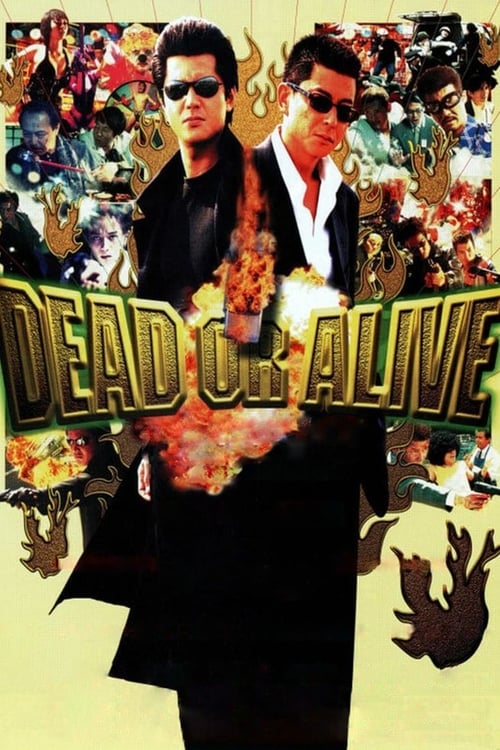
1999
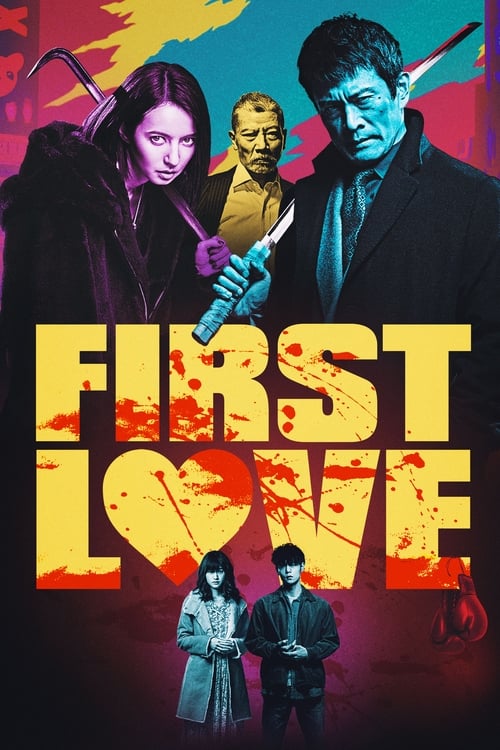
2019
1992

2008
2007

2021
2001
No reviews yet. Be the first to share your thoughts on this movie!
Use the rating form above to leave a star rating and optional review.