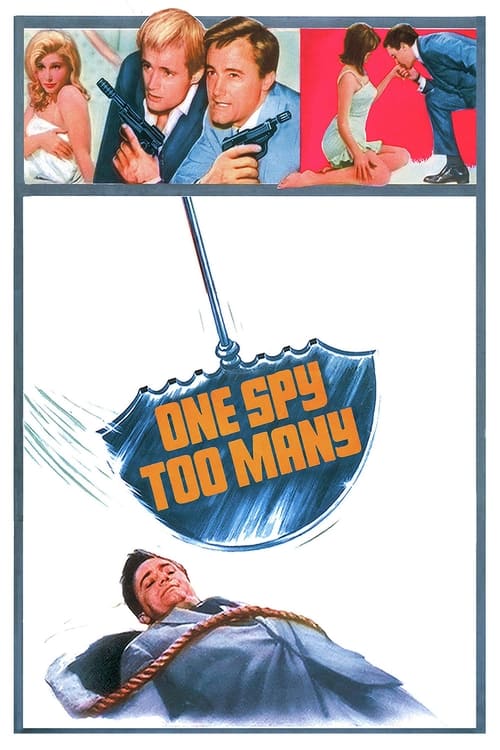
One Spy Too Many
1966
No user ratings available yet
Representation score: 2.4 out of 10
Representation Score
Minimal
1965
Not RatedDirector
Don Medford
Runtime
92 minutes
Average Rating
No ratings yetNew Showbiz Analysis
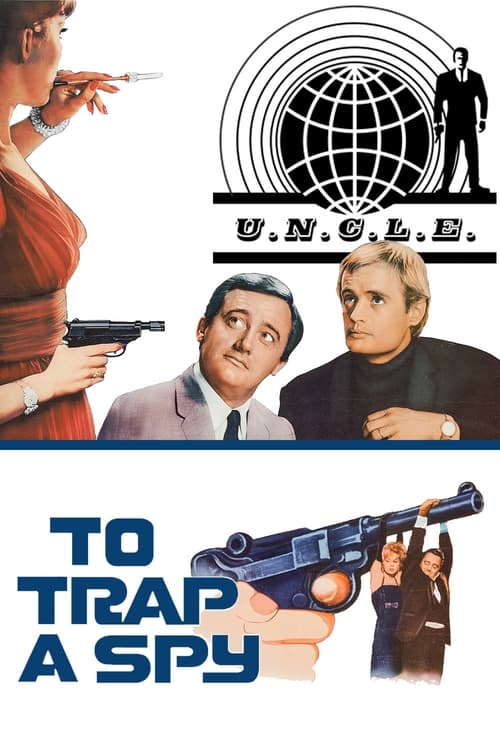
To Trap a Spy is a product of its 1965 geopolitical context, serving primarily as a period-specific espionage thriller. While it breaks new ground by placing a woman in a high-stakes intellectual role, it remains tied to the social structures of the mid-1960s. The film's strengths lie in its departure from traditional gender roles, but these gains are offset by a lack of diverse representation in other areas. The narrative emphasizes Western institutions, giving limited ability to act to non-Western characters.
Category Breakdown
The film does not include any LGBTQ+ characters or themes that question the assumption that everyone is straight. It focuses on traditional relationships typical of the mid-1960s.
A female protagonist actively investigates within a male-dominated espionage world, challenging the usual portrayal of passive women. However, the film still upholds broader patriarchal structures.
The cast is mainly composed of white actors, which aligns with Western casting practices of the time. Although an African leader is mentioned, the story centers on Western intelligence operations.
The story unfolds within the Cold War era without questioning Western capitalism or religion. It examines the mental strain caused by widespread suspicion and institutional paranoia.
The film does not feature any characters with physical or cognitive disabilities. Characters are characterized by their professional skills rather than any visible or invisible disabilities.
Present on Screen
Limited or Absent
Official Synopsis
The men from U.N.C.L.E. must stop the assassination of an African head of state with the help of a simple housewife.
1966

1964

1967

1966
1968

1966
1968
2006
No reviews yet. Be the first to share your thoughts on this movie!
Use the rating form above to leave a star rating and optional review.