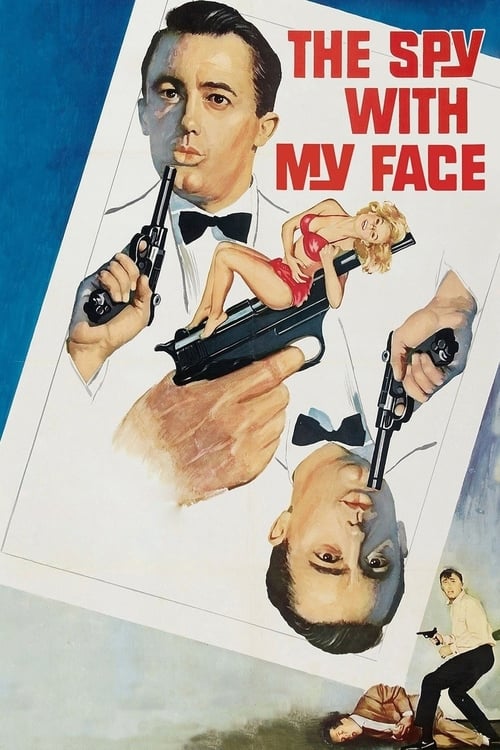
The Spy with My Face
1965
No user ratings available yet
Representation score: 2.3 out of 10
Representation Score
Limited
1966
NRDirector
E. Darrell Hallenbeck
Runtime
100 minutes
Average Rating
No ratings yetNew Showbiz Analysis
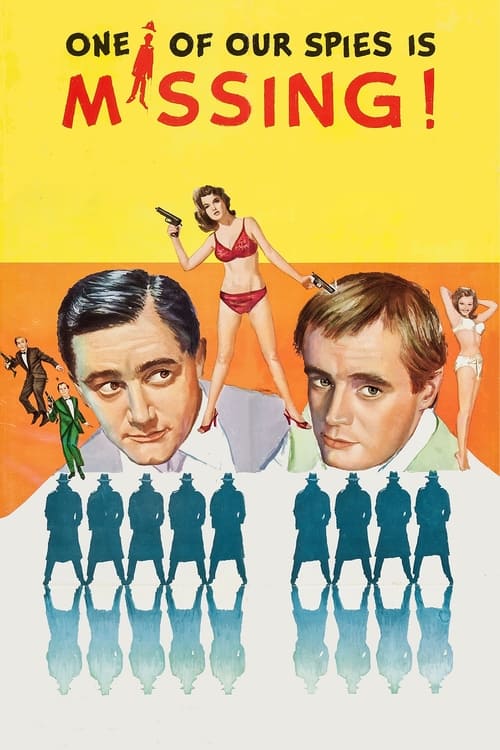
One of Our Spies Is Missing follows the conventions of a mid-1960s espionage procedural. It sticks closely to the period's traditional formulas, emphasizing the professional duties of intelligence agents without questioning social structures. The film upholds the social and institutional norms of the mid-20th century. It does not introduce progressive elements or complex representations of diverse identities. Instead, it maintains the status quo. Ultimately, the film serves as a historical document of its time, prioritizing the preservation of scientific progress and institutional order over exploring diverse identities or critiquing societal structures.
Category Breakdown
The film does not include any LGBTQ+ characters or non-cisgender identities. Relationships and interactions are confined to traditional heterosexual norms typical of 1960s adventure stories.
Napoleon Solo and Ilya Kuryakin take leading roles in driving the plot, while female characters have limited involvement. The film emphasizes a male-dominated perspective.
The film reflects the demographic homogeneity of the mid-20th century. There are no characters of color in prominent roles or within the main cast.
The narrative adheres to a traditional Western perspective, focusing on institutional stability. It does not offer any significant critique of Western institutions or traditional moral frameworks.
The film does not depict any physical, sensory, or neurodivergent identities. Characters are portrayed based on the standard physical requirements for espionage.
Present on Screen
Limited or Absent
Official Synopsis
A biochemist develops a process that reverses ageing but, when he disappears, it's up to Napoleon Solo and Ilya Kuryakin to recover or destroy the process before it falls into the hands of the THRUSH.
1965
1966
1965
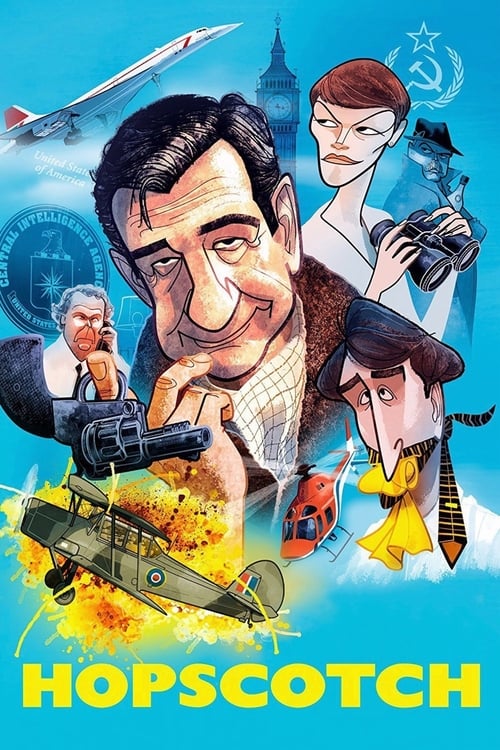
1980
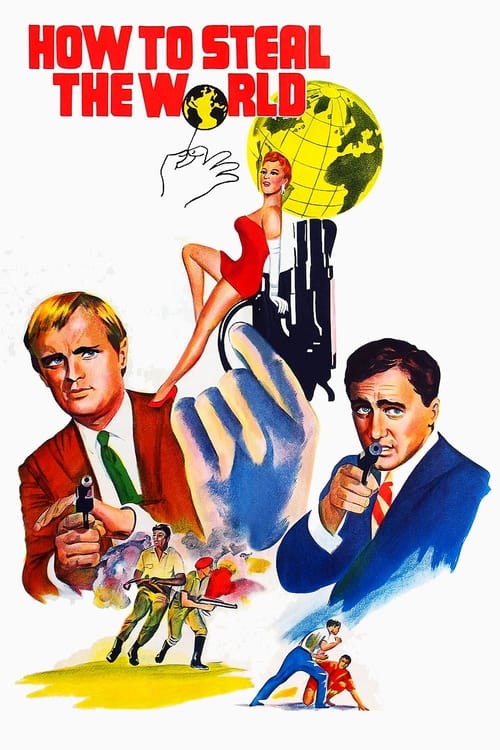
1968
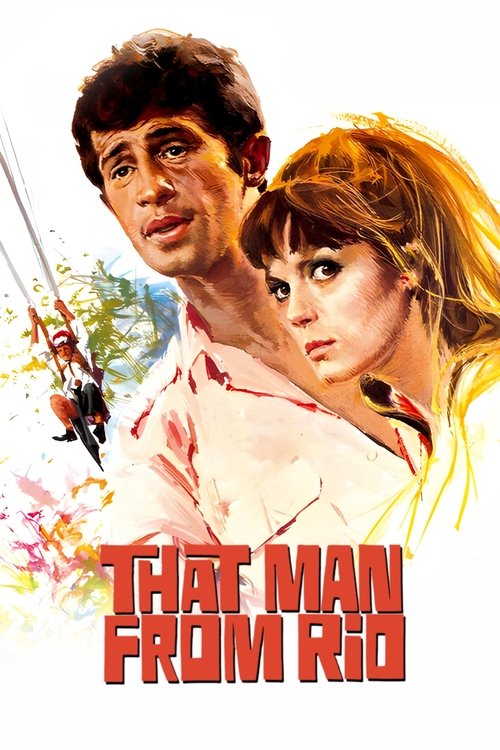
1964

1965
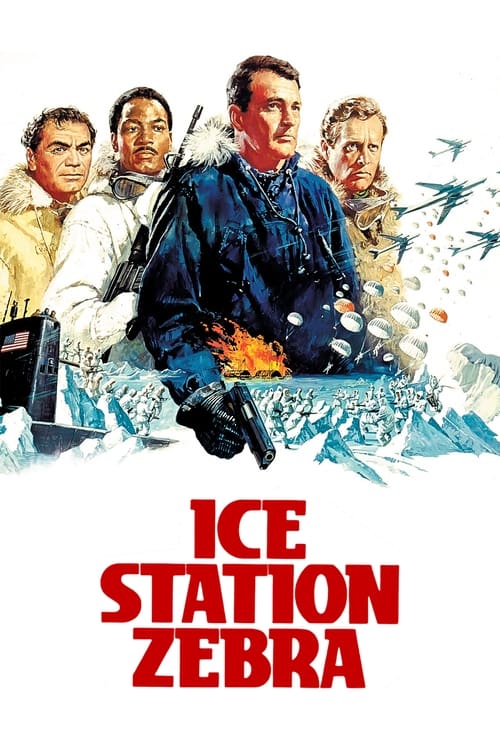
1968
No reviews yet. Be the first to share your thoughts on this movie!
Use the rating form above to leave a star rating and optional review.