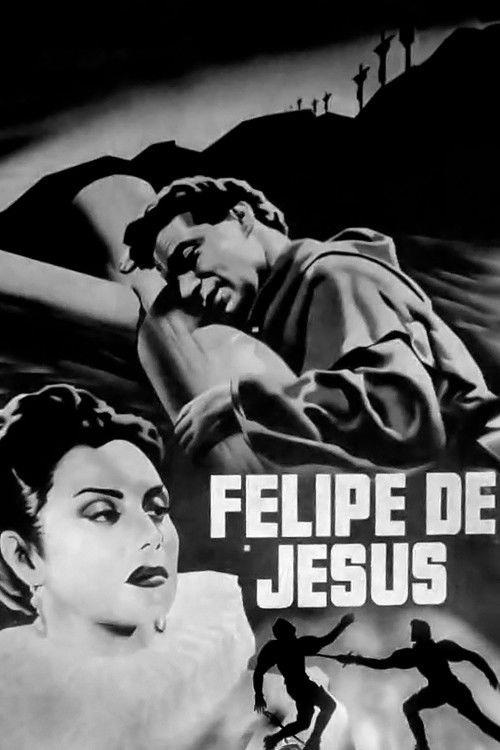
Felipe de Jesús
1949
No user ratings available yet
Representation score: 1.2 out of 10

Representation Score
Fair
1942
ApprovedDirector
Julio Bracho
Runtime
110 minutes
Average Rating
No ratings yetNew Showbiz Analysis
Julio Bracho’s historical drama focuses on the myth-making processes of the Mexican War of Independence. The film centers on the strategic use of religious symbols to mobilize a revolutionary movement against colonial authority. Though the film lacks modern identity politics or diverse gender roles, it successfully depicts the subversion of imperial hierarchies. It effectively uses the Virgin of Guadalupe to represent the intersection of faith and national sovereignty. Ultimately, the film is a study of decolonization and the formation of a sovereign identity, prioritizing ethnic and cultural representation over individual character diversity.
Category Breakdown
The film does not include any queer narratives or non-straight identities. It follows the traditional social structures of the 1940s and the historical period it depicts.
The story is driven by male historical figures such as Hidalgo and Allende. While the Virgin of Guadalupe is a central symbol, she does not have her own individual role in the narrative.
The film addresses decolonization and mestizo identity through the fight against Spanish rule. It highlights the movement driven by various social classes in Mexico.
The movie explores the tension between colonial institutions and a growing national identity. It uses religious symbols to show the complex relationship between faith and revolution.
There is no information available about the portrayal of physical or neurodivergent disabilities in this production.
Present on Screen
Limited or Absent
Official Synopsis
On the eve of the Grito de Dolores and faced with the threat of being arrested by the viceregal government, Miguel Hidalgo suggested to Captain Allende that the flag of the insurgent movement be the banner of the Virgin of Guadalupe.
1949

2012

1925

2013

1992

2011
1976

1952
No reviews yet. Be the first to share your thoughts on this movie!
Use the rating form above to leave a star rating and optional review.