
Simón Bolívar
1969
No user ratings available yet
Representation score: 3.0 out of 10
Representation Score
Limited
2013
RDirector
Alberto Arvelo
Runtime
119 minutes
Average Rating
No ratings yetNew Showbiz Analysis
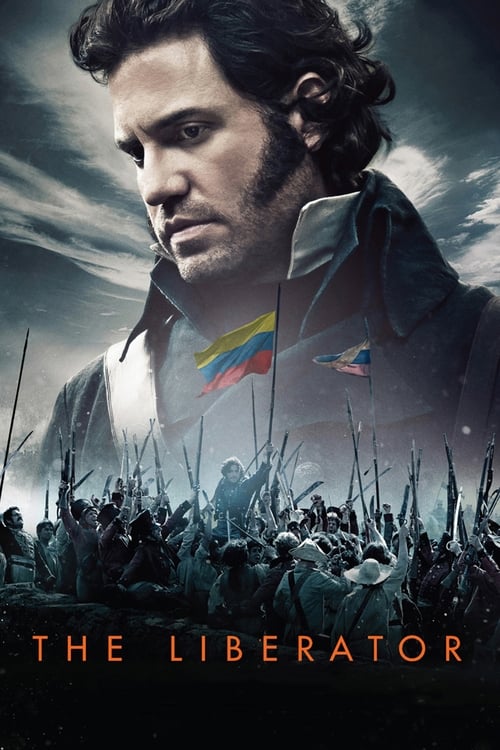
Libertador is a sweeping post-colonial epic that challenges the traditional Western-centric historical narrative. By centering the ability to act of Latin American figures against the Spanish Crown, the film disrupts Eurocentric perspectives. The film's primary strength lies in its racial authenticity and its critique of Western imperialism. It presents the revolutionary struggle as a necessary reclaiming of ability to act by South American peoples. However, the film remains constrained by the patriarchal social hierarchies of the time. It does not offer significant representation for LGBTQ+ identities or individuals with disabilities.
Category Breakdown
The film adheres to the historical constraints of the early 19th century. There is no evidence of queer narratives or non-assuming gender matches what was assigned at birth identities within the primary character arcs.
The film focuses on masculine leadership and military command. Women play supporting roles and do not significantly influence the main political or military storyline.
The production showcases regional authenticity with a predominantly Latin American cast. It avoids whitewashing by featuring non-Anglo-Saxon characters as key figures in their own story.
The film critiques colonial institutions and Western imperial authority. It depicts the Spanish Crown and its religious structures as oppressive forces that need to be dismantled.
The film does not include significant representation of visible or invisible disabilities among the characters.
Present on Screen
Limited or Absent
Official Synopsis
Bolívar was instrumental in Latin America’s struggle for independence from the Spanish Empire, and is today considered one of the most influential politicians and emancipators in American history. Libertador is told from the viewpoint of Bolívar, portrayed by Ramírez, about his quests and epic military campaigns, which covered twice the territory Alexander the Great conquered, and his vision to unify South America.
1969

1952

2010

2010

2006

2015
1954

2007
No reviews yet. Be the first to share your thoughts on this movie!
Use the rating form above to leave a star rating and optional review.