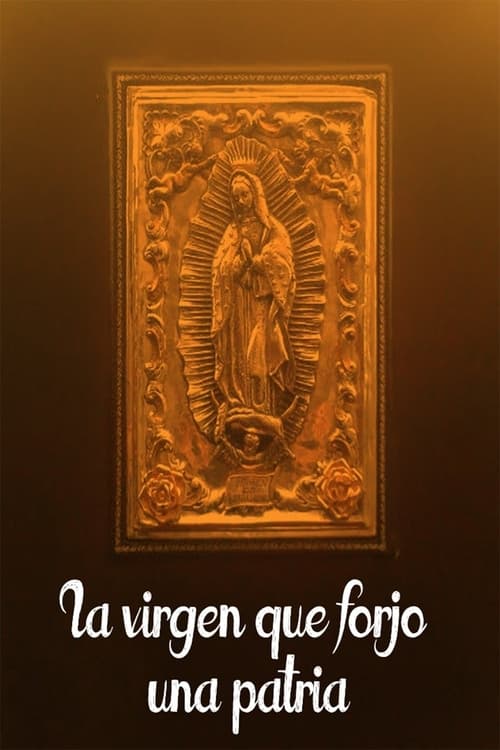
The Virgin who Forged a Fatherland
1942
No user ratings available yet
Representation score: 4.2 out of 10
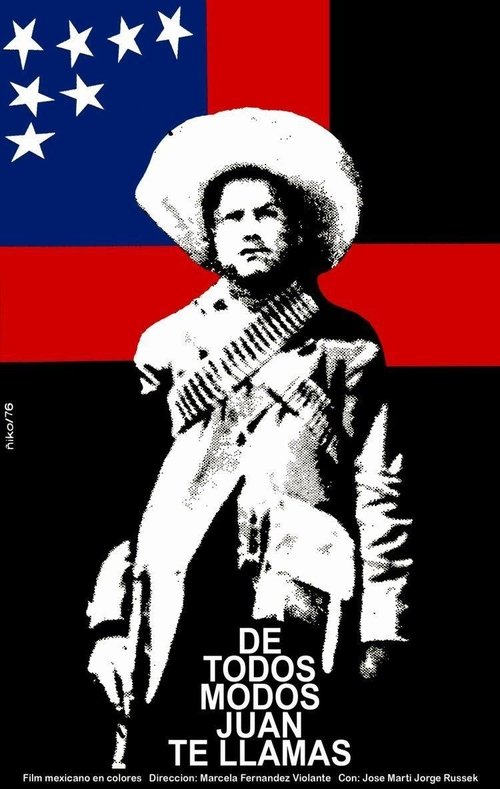
Representation Score
Fair
1976
Director
Marcela Fernández Violante
Runtime
99 minutes
Average Rating
No ratings yetNew Showbiz Analysis
Marcela Fernández Violante’s film offers a sophisticated deconstruction of historical myths surrounding the Cristero War. By focusing on the impossibility of remaining loyal to both the Church and the State, the film avoids simplistic heroism in favor of moral complexity. The work excels in its cultural critique, using the regional Mexican conflict to challenge the absolute authority of traditional institutions. This provides a nuanced view of historical ability to act that moves beyond Western-centric or purely nationalist narratives. However, the film lacks representation in several key areas. There is no evidence of LGBTQ+ narratives or characters with disabilities, which limits its breadth of social inclusion despite its intellectual depth.
Category Breakdown
The film does not include any characters or narratives related to LGBTQ+ identities. It focuses on a historical period without addressing non-straight relationships.
The film potentially challenges traditional gender roles by highlighting individuals caught between conflicting systems. This approach may question the dominance of patriarchal structures.
The film centers on a significant Mexican historical event, emphasizing a non-Anglo-Saxon viewpoint. It highlights the role of local figures within their cultural context.
The film critiques the strictness of organized religion and state authority. It portrays these institutions as sources of conflict rather than absolute truths.
There is no indication of characters with visible or invisible disabilities in this film.
Present on Screen
Limited or Absent
Official Synopsis
Analytical view of one of the least reported conflicts of national cinema: the Cristero movement that developed in the regions of western Mexico between 1926 and 1929, highlighting the inability to be faithful to both the Church and the State.
1942
2012
1969
1985
1954
2011
1997
1972
No reviews yet. Be the first to share your thoughts on this movie!
Use the rating form above to leave a star rating and optional review.