The Lady in Red
1935
No user ratings available yet
Diversity score: 3.0 out of 10
1936
TV-YDirector
Friz Freleng
Runtime
7 minutes
Average Rating
No ratings yetSynopsis
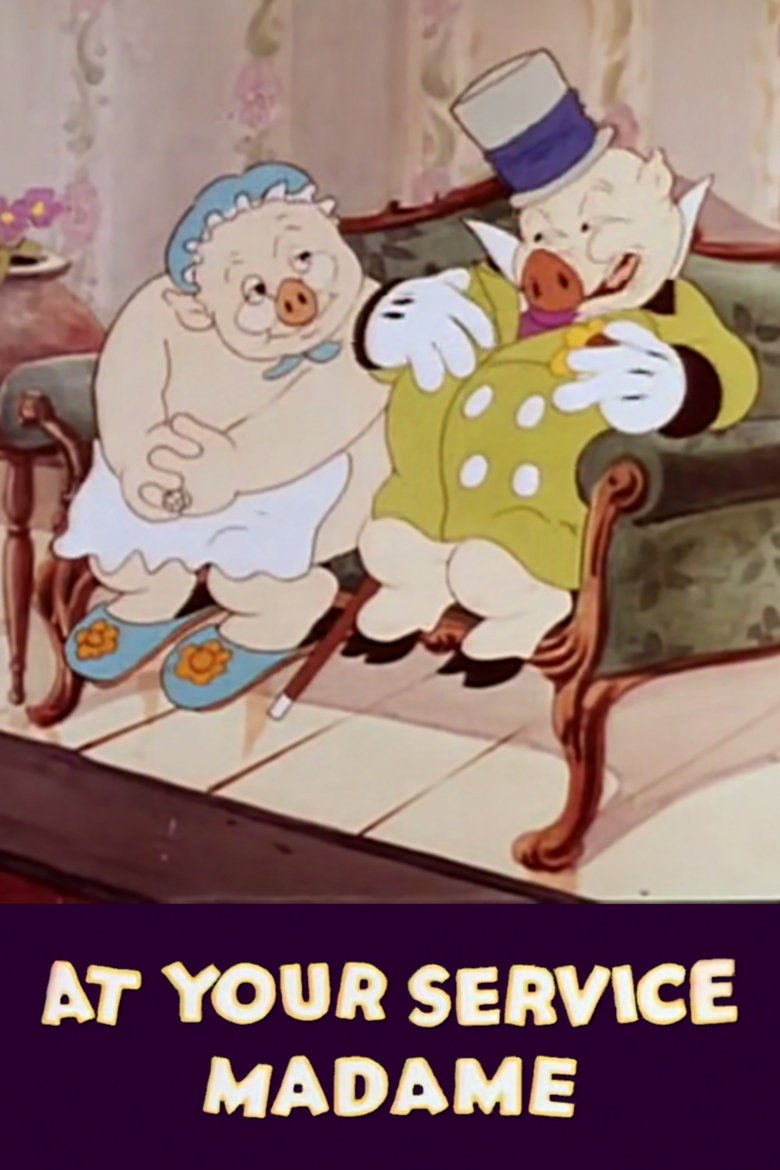
Mrs. Hamhock finds herself the object of unwanted attention following an article in the paper about...
Overall Score
Minimal
Category Breakdown
LGBTQ+ Representation
The film contains no discernible LGBTQ+ characters or non-cisnormative identities. Character dynamics remain strictly traditional, serving the musical requirements of the revue format without exploring identity-based subtext.
Gender Representation
Female anthropomorphic characters are central to the musical numbers but function in decorative, performative roles. The film reinforces 1930s cabaret-style tropes rather than subverting gender hierarchies.
Racial & Ethnic Diversity
The animation demonstrates a lack of racial and ethnic complexity. Character designs reflect a homogeneous aesthetic and a standardized, Western-centric visual language consistent with mainstream standards of the era.
Religious & Cultural Diversity
The setting celebrates capitalist leisure and high-society norms within an upscale hotel environment. It lacks critique of Western institutions, presenting them as stable and aspirational.
Disability Representation
There are no visible or invisible disabilities portrayed. Characters are depicted as able-bodied performers, and the narrative does not engage with neurodivergence or physical disability.
Strengths
Areas for Improvement
AI Analysis
At Your Service Madame is a product of the mid-1930s animation era, functioning as a musical revue designed for escapist entertainment. It prioritizes rhythmic synchronization and anthropomorphic musical performances over complex character agency or systemic critique. The work adheres to the established social and cinematic hierarchies of the pre-war era. It reinforces the status quo through a highly structured, conventional musical format that favors aesthetic rhythm over social or cultural complexity. Ultimately, the film lacks any attempt to disrupt traditional hierarchies or explore intersectional identities, remaining firmly rooted in the era's mainstream animation standards.
1935
1962
1935
1937
1935
1944
1935
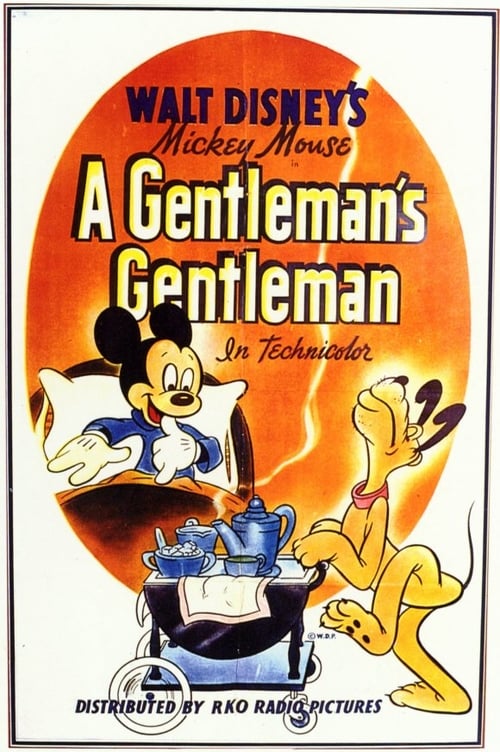
1941
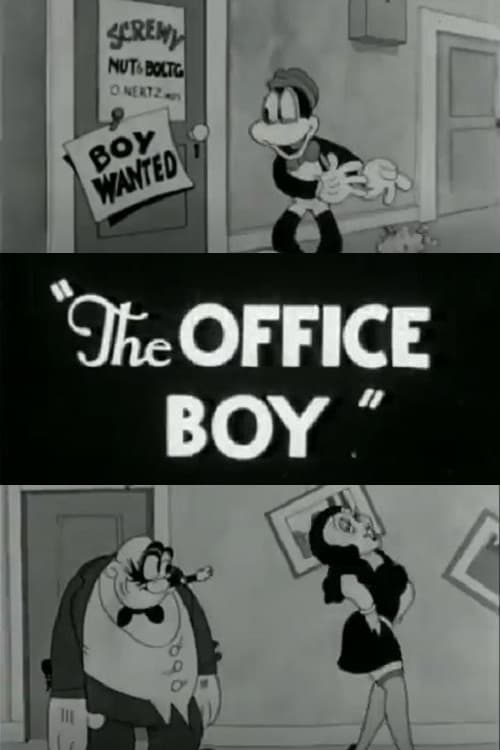
1932
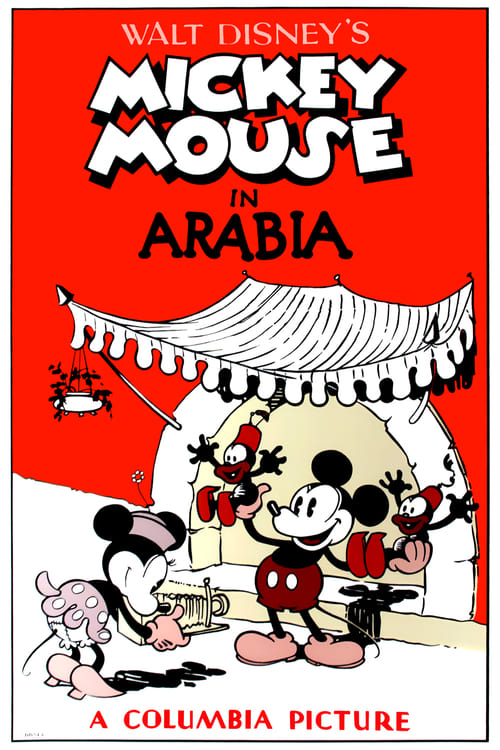
1932
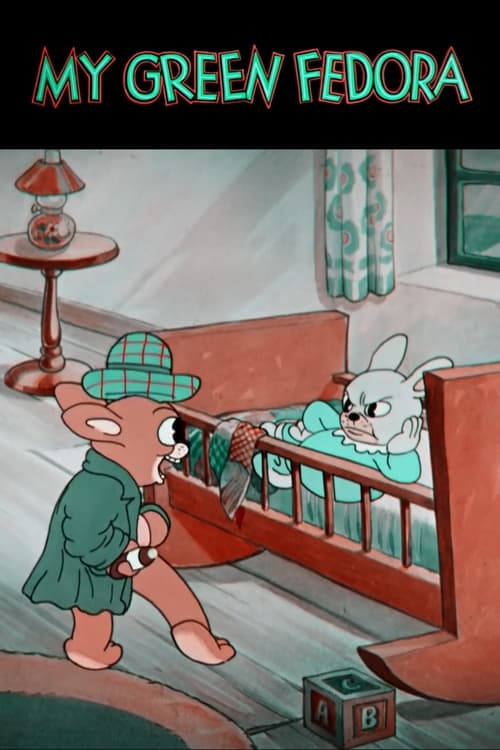
1935

1932
No reviews yet. Be the first to share your thoughts on this movie!
Use the rating form above to leave a star rating and optional review.