Elmer's Pet Rabbit
1941
No user ratings available yet
Representation score: 0.4 out of 10
Representation Score
Minimal
1935
Director
Friz Freleng
Runtime
7 minutes
Average Rating
No ratings yetNew Showbiz Analysis
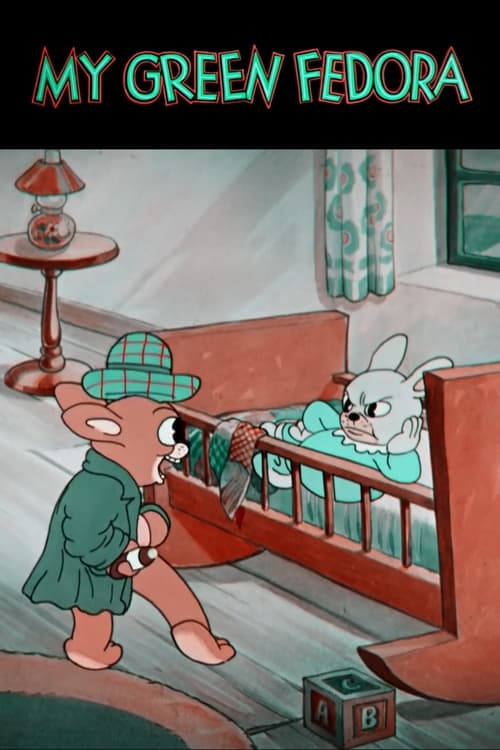
My Green Fedora is a classic animated short that adheres to the social hierarchies and comedic clichés of the 1930s. The plot revolves around a domestic scenario where a mother rabbit trusts her children to an older brother, only for a predatory wolf to interfere. The film operates as a conventional fable, relying on the protector-versus-predator archetype. Since the characters are anthropomorphic animals, the narrative lacks the social complexity found in human-centric stories. Instead, it focuses on slapstick humor and traditional family roles. Ultimately, the work reflects the era's standard social constraints. It offers a straightforward comedic experience without attempting to explore diverse cultural, gendered, or identity-based perspectives.
Category Breakdown
The film portrays a family structure where everyone is assumed to be straight and cisgender. There are no characters with LGBTQ+ identities or stories that challenge traditional norms.
The film follows early 20th-century gender roles where the mother handles domestic duties and childcare, while the male characters resolve conflicts through aggression.
The characters are anthropomorphic animals, specifically rabbits and a wolf. There is no indication of racial diversity or the use of species to represent different ethnicities.
The story emphasizes traditional Western family structures and parental duties. It follows a typical predator-prey dynamic found in conventional moral tales.
The narrative does not include characters with visible or invisible disabilities. Such traits are not used in the storytelling.
Present on Screen
Limited or Absent
Official Synopsis
A rabbit is told by his mother to watch out for his baby brother Elmer while she's out of the house, but a wolf has other plans for Elmer after he hears the older brother sing "My Green Fedora."
1941
1935
1935
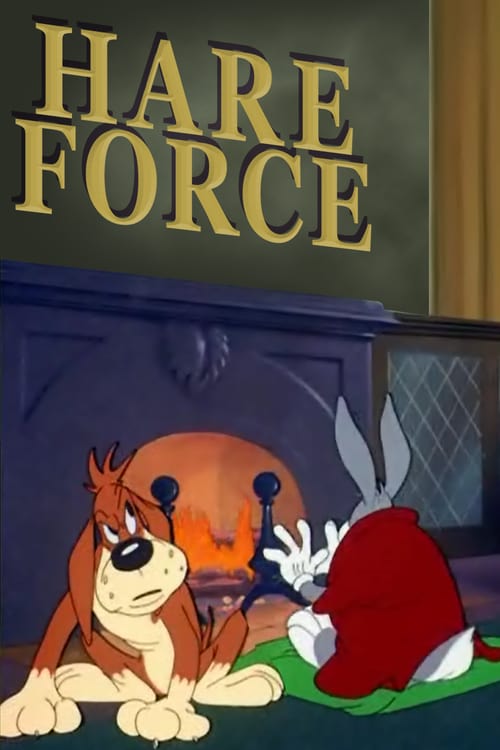
1944
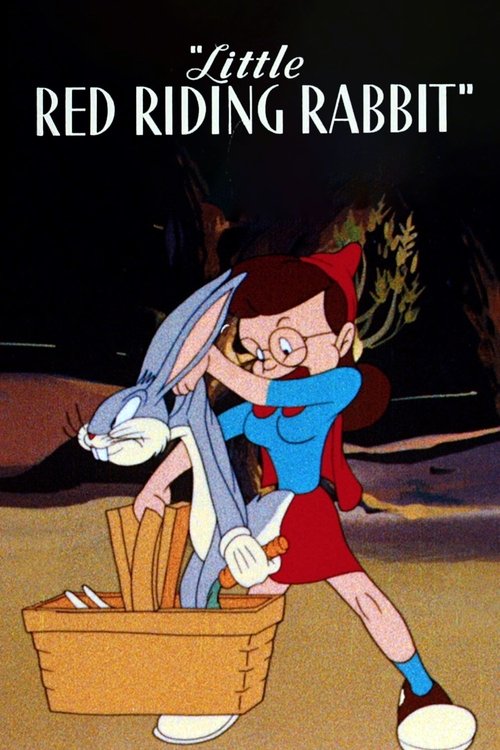
1944
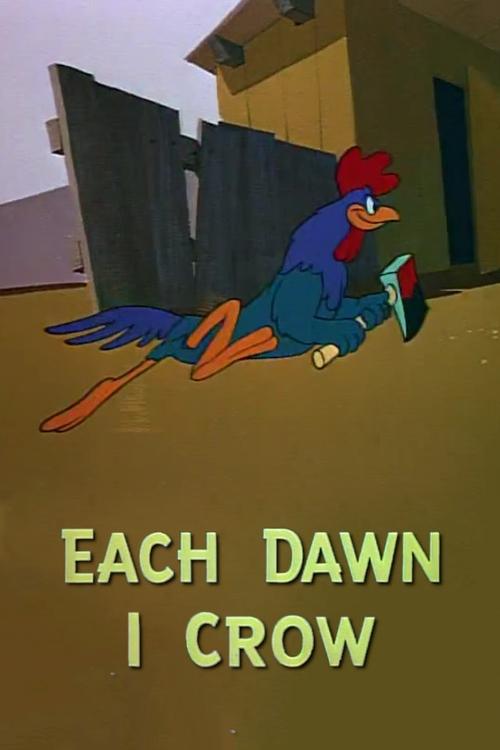
1949
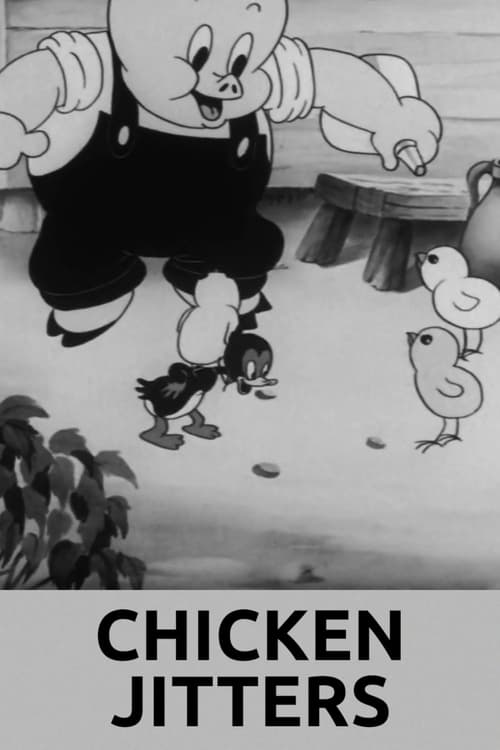
1939
1938
No reviews yet. Be the first to share your thoughts on this movie!
Use the rating form above to leave a star rating and optional review.