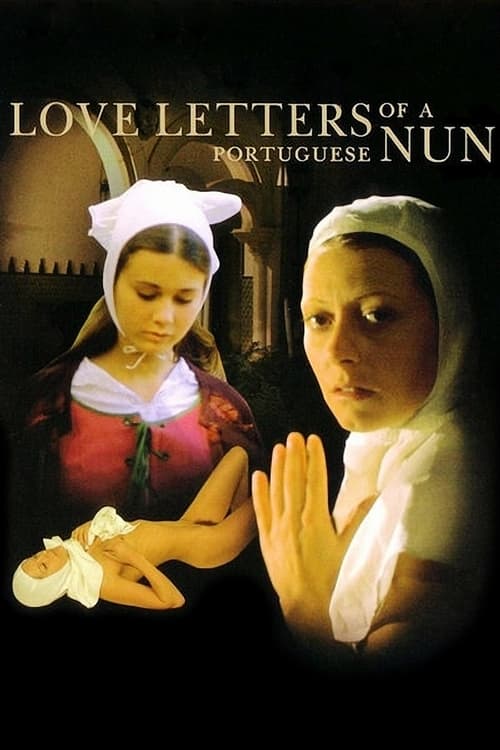
Love Letters of a Portuguese Nun
1977
No user ratings available yet
Representation score: 6.5 out of 10

Representation Score
Fair
1968
XDirector
Jesús Franco
Runtime
84 minutes
Average Rating
No ratings yetNew Showbiz Analysis
Jesús Franco’s *Succubus* is a work of transgressive cinema that prioritizes psychological and aesthetic subversion over demographic variety. It succeeds in challenging social norms through its focus on women's ability to drive the story and the deconstruction of traditional morality. However, the film remains limited by the era's casting norms and a lack of explicit queer representation. It relies heavily on genre clichés to handle themes of mental instability, missing opportunities for deeper neurodivergent characterization. Ultimately, the film's strength lies in its disruption of gendered power dynamics and its embrace of moral relativism, even as it lacks multi-layered breadth.
Category Breakdown
The film focuses on heterosexual eroticism and the femme fatale archetype. It explores non-traditional sexual dynamics such as sadomasochism but does not include explicit LGBTQ+ characters or non-conforming gender identities.
Lorna Green drives the psychological tension through her own eroticized experiences and visions. The film challenges traditional hierarchies by portraying female sexuality as a powerful, destabilizing force rather than a passive object.
The production features a predominantly Spanish and Mediterranean cast. It reflects the demographic realities of 1960s European horror without significant racial blending or intentional non-Anglo-Saxon majority casting.
By blurring reality with Satanic themes and religious iconography, the film avoids a singular Christian morality. It presents a subjective, psychological reality where truth remains fluid and postmodern.
Psychological instability and mental fragmentation drive the plot. However, these elements function primarily as psychological horror clichés rather than nuanced, active portrayals of neurodivergence or mental health.
Present on Screen
Limited or Absent
Official Synopsis
Lorna Green is a performer at a Lisbon nightclub who performs fictionalized acts that involve erotically charged sadomasochistic murders. As she begins to suffer violent, surreal nightmares, she starts to believe that she may be under mind control by a man who may be Satan incarnate.
1977
1971
2002

1972
1983

1973
1974

1970
No reviews yet. Be the first to share your thoughts on this movie!
Use the rating form above to leave a star rating and optional review.