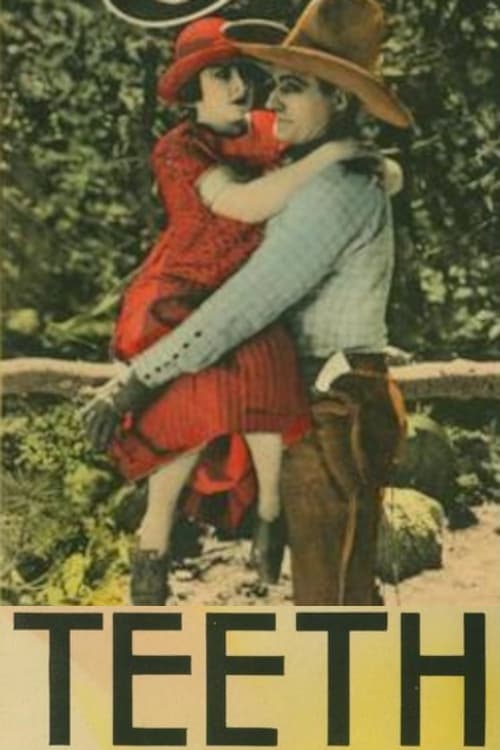
Teeth
1924
No user ratings available yet
Representation score: 0.8 out of 10
No Poster Available
Representation Score
Minimal
1915
PassedDirector
John G. Adolfi
Runtime
40 minutes
Average Rating
No ratings yetNew Showbiz Analysis
A Man and His Mate is a product of its era, embodying the standard cinematic norms of early 20th-century America. As a Western, it likely adheres to the genre's historical tendency to reinforce traditional masculinity and frontier justice. The film lacks documented subversive elements or multi-layered casting. Without specific evidence of character arcs that deviate from standard practices, the work appears to reinforce the social hierarchies and archetypes prevalent in 1915 American cinema. Ultimately, the film upholds established social orders rather than disrupting them. It reflects the conventional narrative structures and moral frameworks typical of the silent era's studio systems.
Category Breakdown
The film does not include any known LGBTQ+ characters, which was common for movies made during that time.
As a silent-era Western, the film likely upholds traditional gender roles, emphasizing male leadership and feminine domesticity.
Early Westerns often used racial stereotypes that reinforced colonial perspectives, suggesting a lack of multi-layered racial representation.
The film highlights frontier expansion and traditional Western values, reflecting the period's emphasis on social order rather than critique.
There is no evidence of characters with physical or neurodivergent disabilities in this production.
Present on Screen
Limited or Absent
1924
1927
1924
1920

1926
1928
1928
1922
No reviews yet. Be the first to share your thoughts on this movie!
Use the rating form above to leave a star rating and optional review.