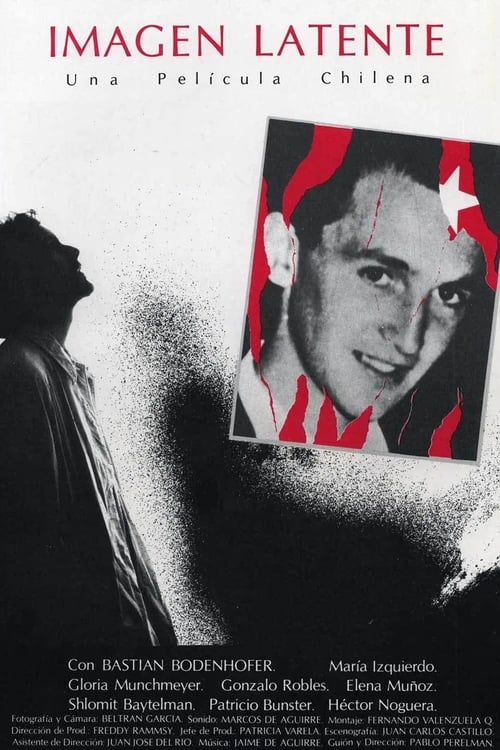
Latent Image
1990
No user ratings available yet
Representation score: 7.8 out of 10
Representation Score
Good
2010
Not RatedDirector
Pablo Larraín
Runtime
98 minutes
Average Rating
No ratings yetNew Showbiz Analysis
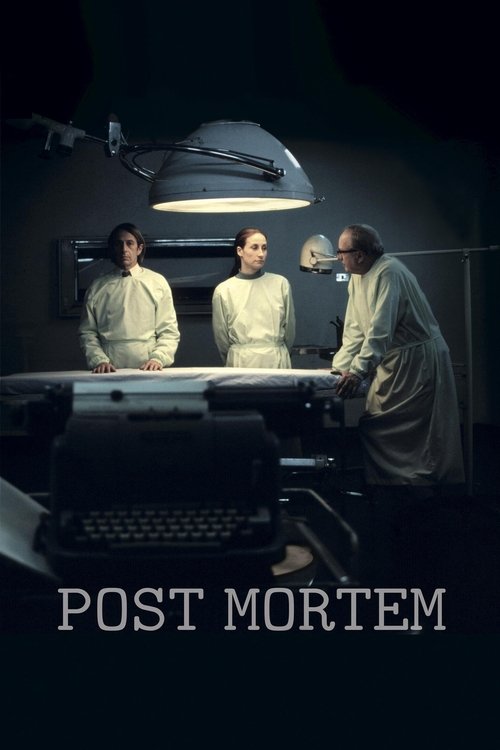
Post Mortem is a sophisticated psychological drama that prioritizes systemic critique over explicit identity politics. Its strength lies in its cultural depth, using the Chilean political landscape to challenge traditional hierarchies of power. The film deconstructs national myths and explores how institutional corruption erodes individual trust under an oppressive regime. However, it remains limited in its exploration of specific identity markers such as LGBTQ+ identities or disability.
Category Breakdown
The film focuses on a romance between a morgue employee and a burlesque dancer. It doesn't include explicit LGBTQ+ identities or queer-coded subplots, sticking to traditional romantic storylines.
The story challenges domestic stability by highlighting the female experience in a surveillance state. The burlesque dancer plays a pivotal role, possessing mystery and taking control rather than being a passive character.
Casting reflects the socioeconomic and ethnic realities of the 1970s Santiago intellectual class. The film offers a nuanced look at regional mestizo identity without adopting a Western-centric viewpoint.
The film critically examines authoritarianism and the Pinochet regime. It portrays state institutions as inherently corrupt and predatory, causing systemic trauma.
There is no significant focus on visible or invisible disabilities. Psychological distress is portrayed as a reaction to political terror rather than an exploration of neurodivergence or chronic illness.
Present on Screen
Limited or Absent
Official Synopsis
In Chile, 1973, during the last days of Salvador Allende's presidency, an employee at a Morgue's recording office falls for a burlesque dancer who mysteriously disappears.
1990

1985

2016
1982

2009

2016
2015
1994
No reviews yet. Be the first to share your thoughts on this movie!
Use the rating form above to leave a star rating and optional review.