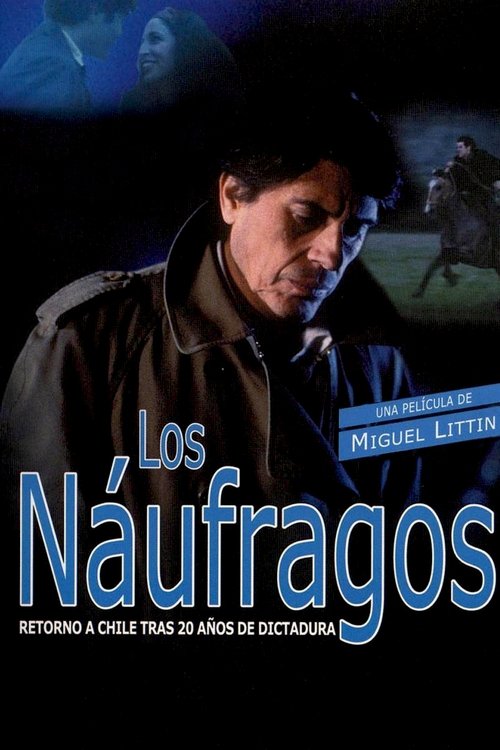
Los náufragos
1994
No user ratings available yet
Representation score: 6.4 out of 10
Representation Score
Excellent
1989
Director
Alejandro Agresti
Runtime
96 minutes
Average Rating
No ratings yetNew Showbiz Analysis
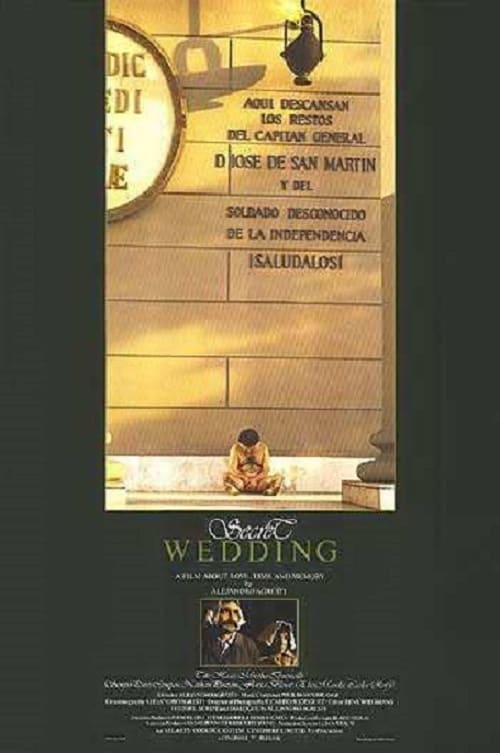
Secret Wedding is a sophisticated drama that uses political transition to deconstruct identity and state authority. It avoids traditional storytelling clichés by presenting a protagonist who lacks the typical strength associated with heroic political figures. The film's strength lies in its intellectual rigor and its ability to use personal trauma as a lens for systemic critique. It examines how institutions categorize and control individuals. However, the film lacks explicit representation for several demographic groups. While it offers deep metaphorical explorations of identity, it remains largely focused on a traditional romantic structure.
Category Breakdown
The story focuses on a relationship centered around marriage, which assumes everyone is straight or cisgender. There is no direct portrayal of non-cisgender identities.
The film challenges traditional masculine roles by showing the male protagonist as displaced and lacking control over his actions. It emphasizes the female perspective as she deals with the loss of her partner.
Set during Latin America's transition to democracy, the film highlights non-Anglo-Saxon experiences. It prioritizes the viewpoint of a regional political dissident over Western-centric narratives.
The story critiques Western-style institutions by depicting the state as a dehumanizing force. It challenges celebratory political progress by framing democratic transition as a complex, systemic shift.
The protagonist's amnesia serves as a significant psychological disability. This loss of identity explores how mental and identity-based impairments are managed by state systems under systemic trauma.
Present on Screen
Limited or Absent
Official Synopsis
As an anonymous man, Fermin leaves his underground hideout in the subway. The dictatorship in the country is followed by democracy, but the bright light of it blinds Fermin: he is displaced. At the police station, his anonymity is complete and he doesn't remember his own name. He is fitted with a past of 13 years of illegal political opposition from the police archives. When he keeps silent about the crimes of the dictator regime, he will be a free man. The woman he promised to marry, doesn't recognize him anymore, and thinks he is dead.
1994
1985
1990

2020

2013

1985

1988

1994
No reviews yet. Be the first to share your thoughts on this movie!
Use the rating form above to leave a star rating and optional review.