
Abou Leila
2020
No user ratings available yet
Representation score: 7.0 out of 10
Representation Score
Good
2006
Director
Mahamat-Saleh Haroun
Runtime
96 minutes
Average Rating
No ratings yetNew Showbiz Analysis
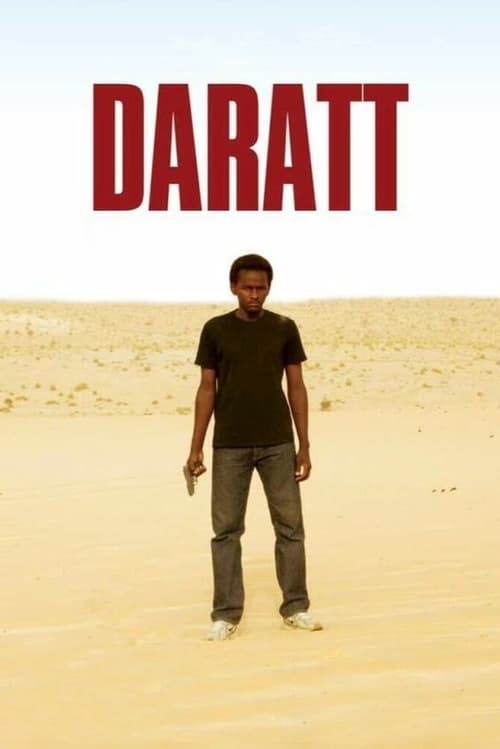
Dry Season is a powerful exploration of post-colonial authenticity. It succeeds by focusing on a specific Chadian socio-political context, effectively challenging Western-centric storytelling clichés through its commitment to local identity and ability to act. However, the film remains deeply rooted in traditional patriarchal structures, with a focus on male-driven vengeance and limited roles for women.
Category Breakdown
The film follows a conventional social structure and does not include any non-traditional gender identities or stories that question the assumption that everyone is straight or cisgender.
The story focuses on male experiences of honor and revenge. Women are shown within the domestic sphere but do not play a significant role in driving the main plot.
The film features a predominantly Chadian cast. It avoids the Western perspective by showcasing a culturally grounded reality that emphasizes local identity.
The story provides a nuanced look at post-colonial statehood and institutional corruption. Religious practices are woven into the narrative as part of cultural life rather than a moralizing force.
The film does not focus on specific physical disabilities. Instead, it examines the hidden, systemic psychological effects of collective war trauma on young people.
Present on Screen
Limited or Absent
Official Synopsis
Chad, 2006. After a forty-year civil war, the radio announces the government has just amnestied the war criminals. Outraged by the news, Gumar Abatcha orders his grandson Atim, a sixteen-year-old youth, to trace the man who killed his father and to execute him. Atim obeys him and, armed with his father's own gun, he goes in search of Nassara, the man who made him an orphan. It does not take long before he finds him. Nassara, who now goes straight, is married, goes to the mosque and owns a small bakery. After some hesitation Atim offers him his services as an apprentice. He is hired then it will be easy for him to gun down the murderer of his father. At least, that is what he thinks...
2020

2001

2007

1997

2014
2008
2012

2009
No reviews yet. Be the first to share your thoughts on this movie!
Use the rating form above to leave a star rating and optional review.