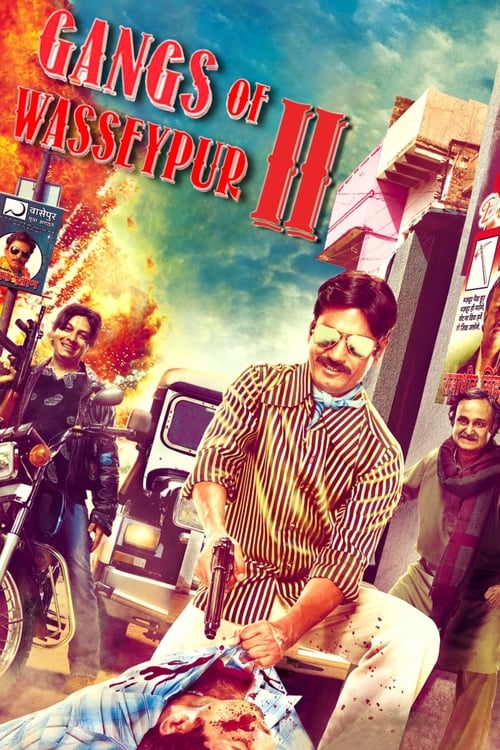
Gangs of Wasseypur - Part 2
2012
No user ratings available yet
Representation score: 5.6 out of 10

Representation Score
Fair
2012
Not RatedDirector
Anurag Kashyap
Runtime
160 minutes
Average Rating
No ratings yetNew Showbiz Analysis
Gangs of Wasseypur – Part 1 is a gritty, hyper-realistic crime epic that shines in its regional authenticity. It disrupts mainstream Bollywood clichés by offering a multi-vocal exploration of identity and systemic corruption within the Jharkhand coal belt. However, the film’s focus on a hyper-masculine underworld leaves gaps in LGBTQ+ representation and meaningful women's ability to drive the story. While the characters are rich in cultural context, the social hierarchy remains rigidly traditional. Ultimately, the film’s strength lies in its post-colonial critique and nuanced portrayal of religious and ethnic textures, which offset its narrow gender focus.
Category Breakdown
The film focuses on a hyper-masculine, patriarchal underworld where there is no presence of non-straight identities or narratives that question the assumption that everyone is straight.
The story is dominated by male characters, emphasizing the control of patriarchs and gang leaders. Female characters are mostly confined to domestic settings or used as pawns in cycles of violence.
The film showcases regional and religious diversity effectively. It features a cast that reflects the complex communal demographics of the Dhanbad coal belt, breaking the mold of mainstream cinema.
The narrative provides a sophisticated critique of capitalist exploitation and corrupt state institutions. It portrays families as vehicles for inherited violence, challenging traditional views of family.
There are no prominent depictions of visible or invisible disabilities that serve as central character arcs or roles where characters take control and drive the story.
Present on Screen
Limited or Absent
Official Synopsis
In 1970s India, Sardar Khan vows to take revenge on the man who killed his father decades earlier.
2012

2012

2018
2015

2022

2019

2010
2011
No reviews yet. Be the first to share your thoughts on this movie!
Use the rating form above to leave a star rating and optional review.