Beautiful City
2004
No user ratings available yet
Representation score: 5.6 out of 10
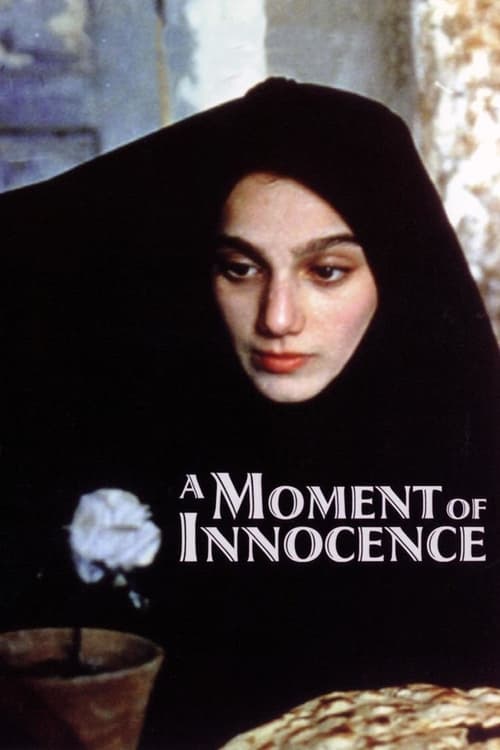
Representation Score
Limited
1997
Not RatedDirector
Mohsen Makhmalbaf
Runtime
78 minutes
Average Rating
No ratings yetNew Showbiz Analysis
Mohsen Makhmalbaf’s film is a sophisticated piece of postmodern cinema that prioritizes cultural resistance over broad demographic representation. It succeeds by challenging Western narrative dominance and examining universal themes of innocence and systemic power. While the film lacks LGBTQ+ and gender-subverting elements, it provides a vital non-Western perspective. The narrative uses a localized Iranian lens to explore universal themes through a postmodern structure.
Category Breakdown
The film does not include any LGBTQ+ characters or explore non-straight relationships. The story focuses on the protagonist's psychological journey and masculine traits.
The story centers on the male experience and the socialization of masculinity. Women are portrayed in traditional domestic roles that support the male-driven plot without challenging gender hierarchies.
The film offers a significant non-Western perspective by focusing on an Iranian identity. It challenges Western-centric storytelling through its local lens and non-Anglo-Saxon setting.
The narrative critiques how imported media clichés can disrupt local social structures and communal guidance. It uses a postmodern structure to deconstruct moral authority and institutional storytelling.
There are no depictions of physical or neurodivergent disabilities in the film.
Present on Screen
Limited or Absent
Official Synopsis
A semi-autobiographical account of an incident in Makhmalbaf's life when, as a 17-year-old, he stabbed a policeman at a protest rally. Two decades later, he tracks down the policeman he injured in an attempt to make amends.
2004
1987
2012

2021

1988
2006

2001
2012
No reviews yet. Be the first to share your thoughts on this movie!
Use the rating form above to leave a star rating and optional review.