I Come
2000
No user ratings available yet
Representation score: 7.0 out of 10
Representation Score
Good
2001
PG-13Director
Walter Salles
Runtime
95 minutes
Average Rating
No ratings yetNew Showbiz Analysis
Behind the Sun is a nuanced exploration of identity clashing with societal expectations. By focusing on a queer relationship within a restrictive historical context, the film challenges conventional assumptions about relationships and family structures. The film uses a localized Brazilian perspective to avoid the 'white norm' often found in global cinema, effectively critiquing traditional social orders and codes of honor. However, the story's heavy focus on male characters and their conflicts limits the breadth of gendered perspectives.
Category Breakdown
The film centers a romantic relationship between two individuals who do not conform to traditional heterosexual norms. This relationship is crucial to the plot and challenges the strict social rules of early 20th-century Brazil.
The story explores the impact of traditional masculinity by contrasting ancestral violent roles with personal emotional experiences. It portrays the patriarchal family structure as a source of psychological pressure rather than stability.
Set in the Brazilian countryside, the film highlights a specific regional identity while showcasing a diverse range of social classes through a traveling circus.
The narrative questions traditional institutions by presenting the family code of honor as an oppressive force. Ancestral duties are portrayed as burdensome rather than moral absolutes.
There is no significant evidence regarding the portrayal of visible or invisible disabilities within the film's narrative.
Present on Screen
Limited or Absent
Official Synopsis
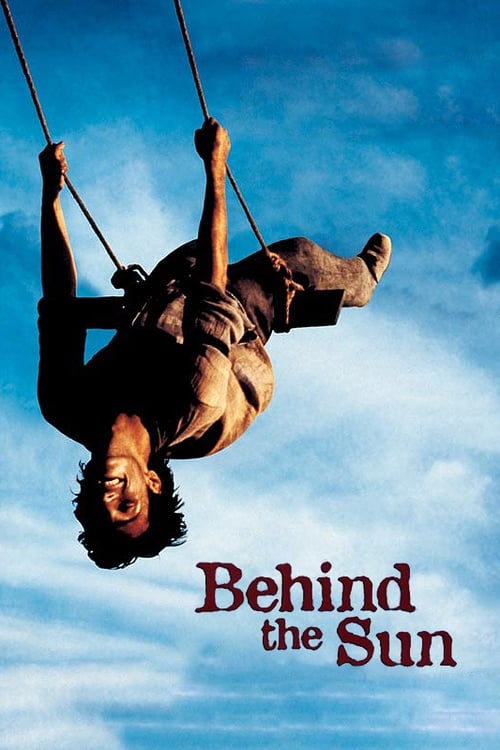
Brazilian badlands, April 1910. Tonho is ordered by his father to avenge the death of his older brother. The young man knows that if he commits this crime, his life will be divided in two: the twenty years he has already lived and the few days he has left to live, before the other family avenges their son's death. He is torn between fulfilling his ancestral duty and rebelling against it, urged by his younger brother Pacu. That's when a tiny travelling circus passes through the vast badlands where Tonho's family lives.
2000

1964
2014
2010
1961
2008

2005
2007
No reviews yet. Be the first to share your thoughts on this movie!
Use the rating form above to leave a star rating and optional review.