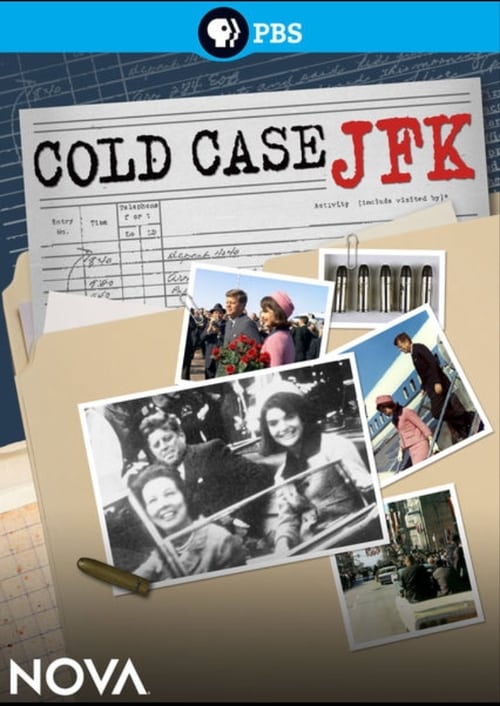
NOVA: Cold Case JFK
2013
No user ratings available yet
Representation score: 1.2 out of 10
Representation Score
Fair
2021
TV-14Director
Oliver Stone
Runtime
119 minutes
Average Rating
No ratings yetNew Showbiz Analysis
Oliver Stone’s documentary prioritizes institutional critique over demographic breadth. It functions as an investigative examination of political machinations, which naturally limits the scope of identity-based representation. The film finds its strength in cultural subversion, challenging the sanctity of state authority and official historical accounts. This postmodern skepticism provides a high level of intellectual diversity despite low demographic variety. Ultimately, the work is defined by its focus on the military-industrial complex. This narrow historical lens results in a lack of representation for LGBTQ+, disabled, and diverse racial perspectives.
Category Breakdown
The film focuses on mid-20th-century political intelligence and statecraft. Consequently, it does not feature LGBTQ+ characters or narratives centered on non-straight relationships.
The narrative centers on male-dominated spheres of 1960s geopolitics. While female historians and journalists appear as expert witnesses, the subject matter is framed through a traditional patriarchal lens.
The film reflects the demographic reality of available experts and witnesses. However, the central investigative arc lacks diverse racial perspectives, focusing instead on Anglo-centric American and CIA structures.
The documentary excels at deconstructing Western institutions and the military-industrial complex. It challenges conventional patriotism by framing the state as a source of systemic deception and opacity.
There are no visible or invisible disabilities portrayed with ability to act. The film focuses on political actors and does not engage with neurodivergence or physical disability as a theme.
Present on Screen
Limited or Absent
Official Synopsis
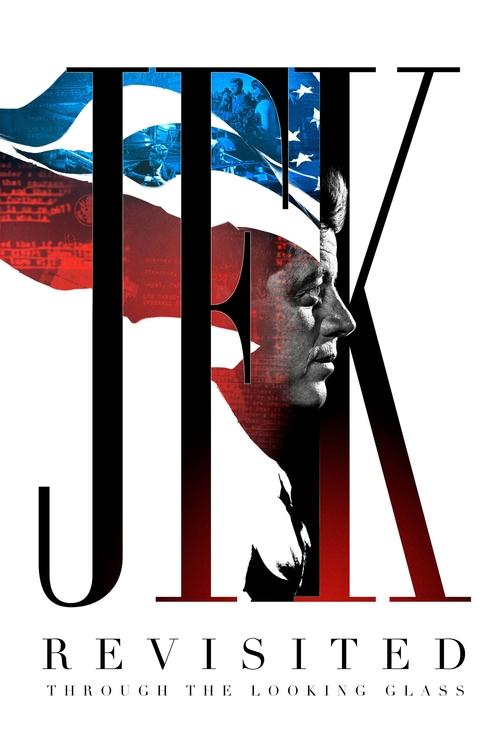
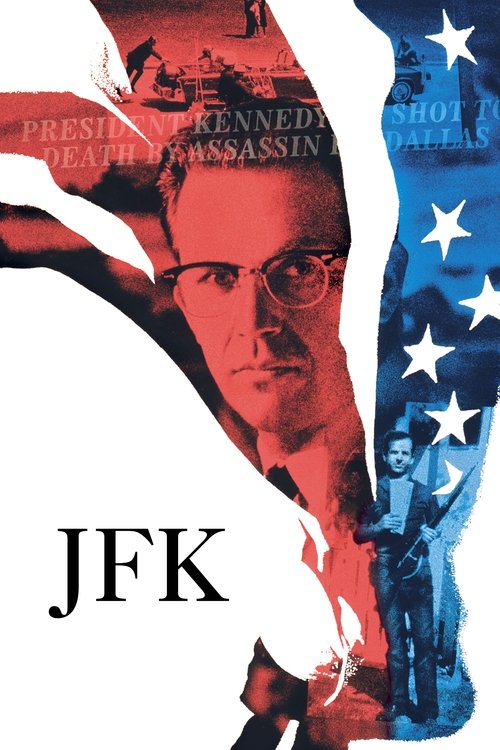
Thirty years after the release of his film JFK (1991), filmmaker Oliver Stone reviews recently declassified evidence related to the assassination of President John F. Kennedy, which took place in Dallas on November 22, 1963.
2013
2012

2019
1991
2013
2014
2009
2015
No reviews yet. Be the first to share your thoughts on this movie!
Use the rating form above to leave a star rating and optional review.