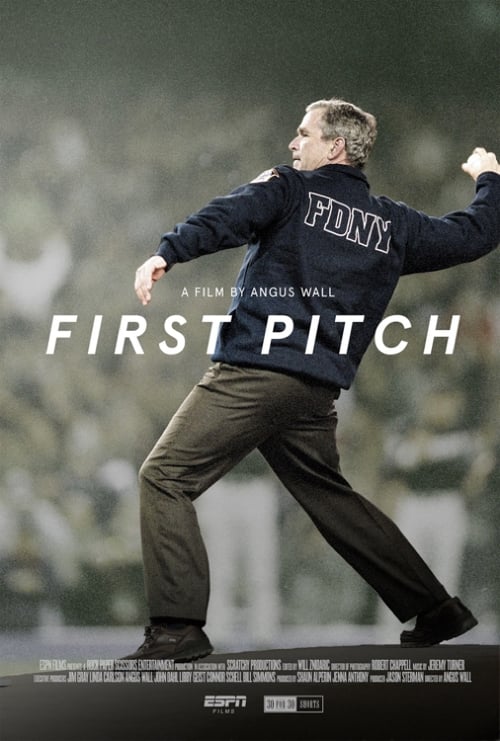
First Pitch
2015
No user ratings available yet
No diversity score available
2011
TV-14Director
Carsten Oblaender
Runtime
45 minutes
Average Rating
No ratings yetSynopsis
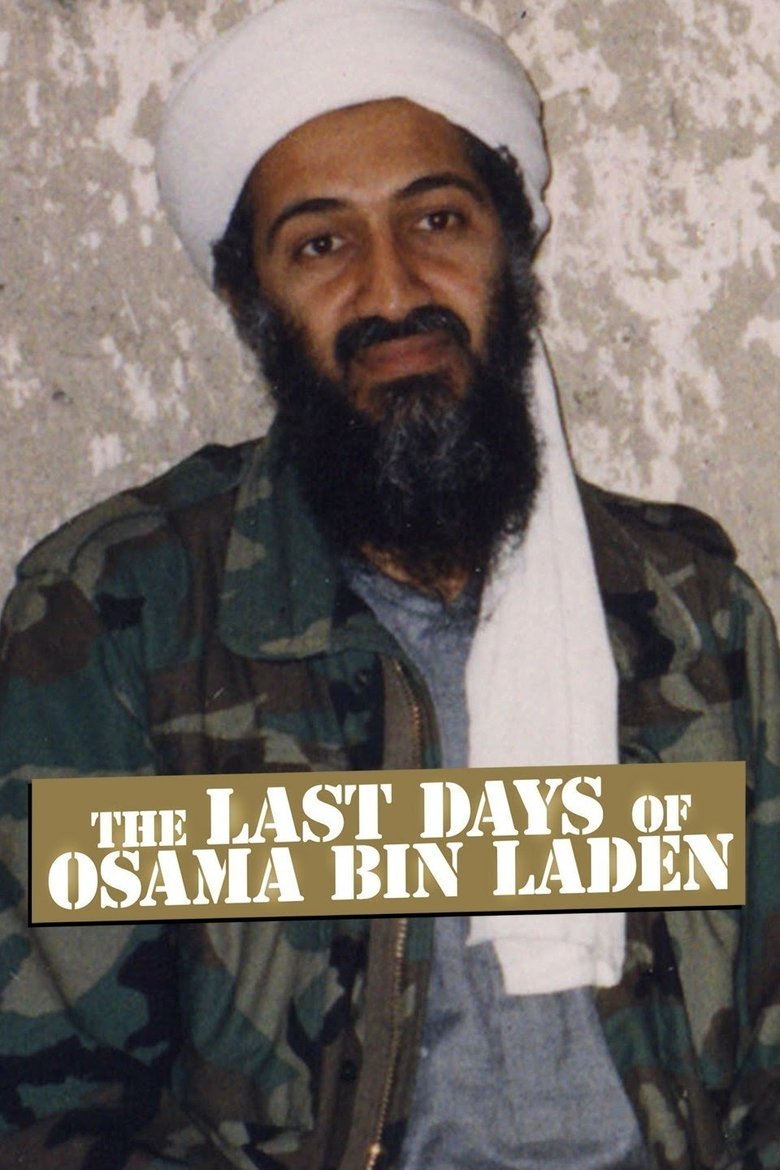
After the United States mounted a covert mission to eliminate America's number-one terrorist target, celebration turned to mounting questions. Now, Peter Bergen obtains rare access to interview former CIA agents, Navy Seal operatives, and a Black Hawk pilot who reveal how the United States gathered the intelligence needed to pull off the surprise attack. He'll talk to White House and Pakistani intelligence officials, as well as neighbors of the Pakistani compound and eyewitnesses to the raid.
Overall Score
Minimal
Category Breakdown
LGBTQ+ Representation
The documentary contains no depiction of LGBTQ+ individuals or non-heteronormative identities. The narrative remains strictly confined to geopolitical conflict and military operations.
Gender Representation
The film centers on traditional masculine hierarchies, focusing on male-dominated military leadership. There is no significant presence of female agency or subversion of gendered power dynamics.
Racial & Ethnic Diversity
While the film includes Pakistani and Afghan populations, these groups are framed through geopolitical conflict rather than individual agency. Western institutional actors maintain central control.
Religious & Cultural Diversity
The narrative reinforces Western security perspectives and the legitimacy of state-sanctioned military action. It portrays extremist ideology as the primary driver of the conflict.
Disability Representation
There is no discernible focus on visible or invisible disabilities. Subjects are presented solely through the lens of physical fitness and military operational capability.
Strengths
Areas for Improvement
AI Analysis
The documentary functions as a journalistic investigation into a specific historical event, prioritizing factual reporting over the exploration of intersectional identities. It adheres to conventional social hierarchies by focusing on male-dominated military structures and Western institutional authority. While the film achieves some geographic breadth by including local Pakistani voices and eyewitnesses, these perspectives do not challenge existing power dynamics. The work ultimately reinforces established geopolitical norms rather than disrupting traditional narrative tropes.
2015

2016
2018

2011
2017

2011
2012
2013

2021
2019
2019
2013
No reviews yet. Be the first to share your thoughts on this movie!
Use the rating form above to leave a star rating and optional review.