
The Children Nobody Wanted
1981
No user ratings available yet
Diversity score: 4.7 out of 10
1983
PGDirector
John Erman
Runtime
95 minutes
Average Rating
No ratings yetSynopsis
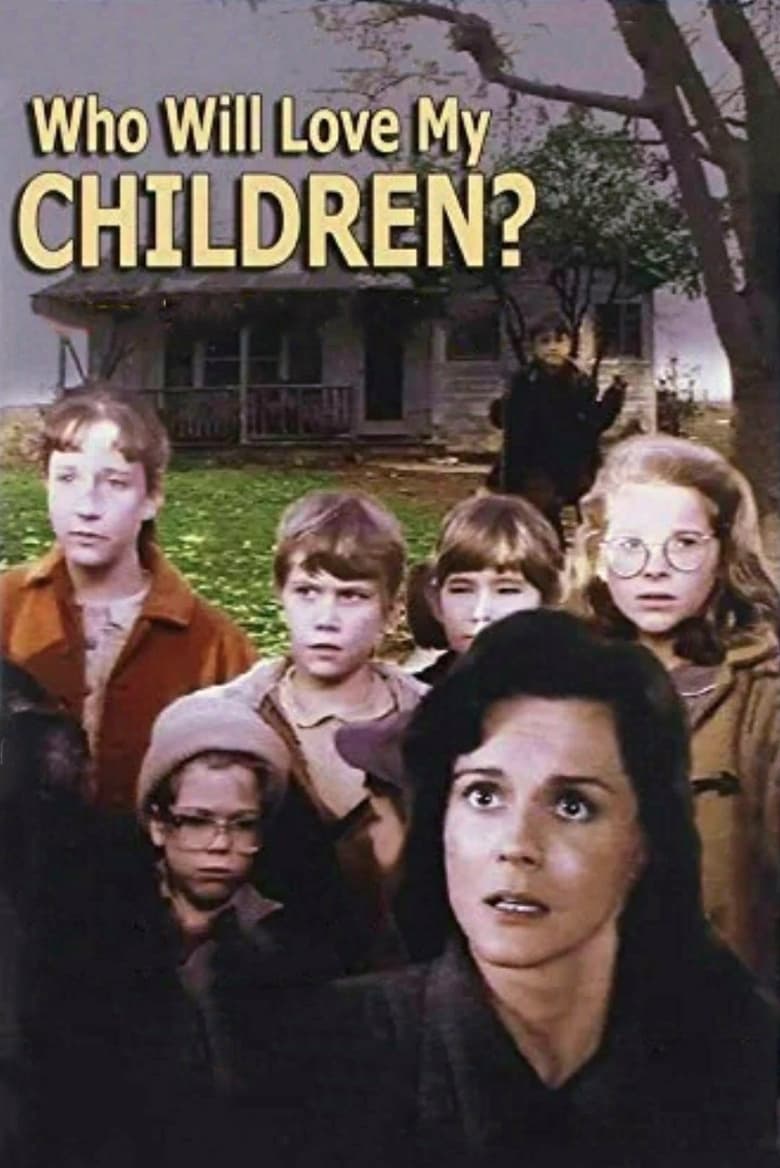
Who Will Love My Children? is a 1983 American made-for-television biographical film based on the life of Lucile Fray. Lucile Fray was diagnosed with cancer in 1952 and wanted to find suitable homes for her ten children, since she felt her husband could not properly care for them. Prior to her death, she succeeded. The film was directed by John Erman, written by Michael Bortman, and starred Ann-Margret in her first television film. It was originally broadcast on American Broadcasting Company. The same evening as its original broadcast, February 14, 1983, the children of Lucile Fray appeared on That's Incredible!, an ABC program.
Overall Score
Fair
Category Breakdown
LGBTQ+ Representation
The film lacks LGBTQ+ characters or explorations of non-heteronormative identities. The story focuses exclusively on the dissolution of a nuclear family and subsequent state intervention.
Gender Representation
Lucile Fray’s agency subverts traditional hierarchies by positioning her as the family's primary architect. The narrative challenges the 'stable patriarch' trope by portraying the husband as an ineffective, alcoholic figure.
Racial & Ethnic Diversity
The film reflects urban socioeconomic realities but does not explicitly center racial identity. There is little evidence of high-agency characters of color or intentional race-bent casting.
Religious & Cultural Diversity
The story critiques Western institutions, specifically the nuclear family and the bureaucratic foster care system. It portrays the state as a cold, imperfect institution for managing human connection.
Disability Representation
Terminal cancer serves as the central engine for the plot rather than a source of inspiration. The film focuses on the practical and emotional consequences of mortality.
Strengths
Areas for Improvement
AI Analysis
This drama functions as a social realist study of systemic failure and the precariousness of the domestic sphere. It succeeds in deconstructing the myth of the stable, traditional home by highlighting the vulnerabilities of a family facing both illness and institutional oversight. While the film offers a strong critique of gendered leadership and state-run social services, it lacks significant intersectional depth. The absence of LGBTQ+ representation and the lack of explicit racial focus limit its broader demographic scope. Ultimately, the film's strength lies in its emotional realism and its willingness to portray the 'ideal' family unit as a site of instability rather than a sanctuary.
1981

2009
1991
1990
1994

1976
2011

2015

1994
1979

2008

1990
No reviews yet. Be the first to share your thoughts on this movie!
Use the rating form above to leave a star rating and optional review.