
Sarah T. - Portrait of a Teenage Alcoholic
1975
No user ratings available yet
Representation score: 5.8 out of 10
Representation Score
Good
1991
TV-14Director
Karl Francis
Runtime
93 minutes
Average Rating
No ratings yetNew Showbiz Analysis
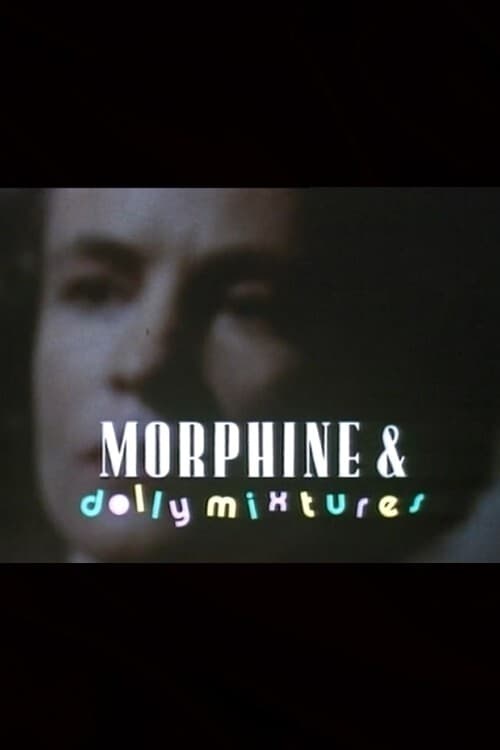
Morphine and Dolly Mixtures is a gritty social realism film that deconstructs the idealized family unit. It challenges traditional masculine authority and explores the systemic trauma caused by addiction. However, the film's narrow demographic focus limits its representation of LGBTQ+ and racial diversity. Despite this, it effectively critiques domestic institutions through a child's perspective.
Category Breakdown
The film centers on a traditional family structure and does not include any explicitly LGBTQ+ characters or non-cisgender identities.
It challenges traditional gender roles by showing the father as a volatile and destructive figure instead of a stable leader. Female characters play key roles as emotional anchors.
Set in the 1950s, the film reflects the homogeneous demographics typical of mid-century British social realism. There is no significant ethnic diversity among the main characters.
The film critiques the traditional Western nuclear family by portraying it as a source of oppression. It emphasizes the child's traumatic experience over family honor.
Alcoholism is shown as a chronic condition that affects the lives of others. However, there is no specific depiction of neurodivergent or physical disabilities.
Present on Screen
Limited or Absent
Official Synopsis
A girl's childhood in the 1950s with her brutal alcoholic father. This unrelieved melodrama examines the nature of a child's experience of a domineering, volatile alcoholic parent. It is based on an autobiographical account by Carol-Ann Courtney. At first, the girl has some diversion from her intense and frightening relationship with her father in the person of her maternal grandmother, but that outlet is soon closed when her father bans her from their home.
1975

1967

1986
1998

2010
2006
1996
2019
No reviews yet. Be the first to share your thoughts on this movie!
Use the rating form above to leave a star rating and optional review.