Jaguar
1956
No user ratings available yet
Representation score: 0.7 out of 10
Representation Score
Minimal
1955
PGDirector
Harold D. Schuster
Runtime
72 minutes
Average Rating
No ratings yetNew Showbiz Analysis
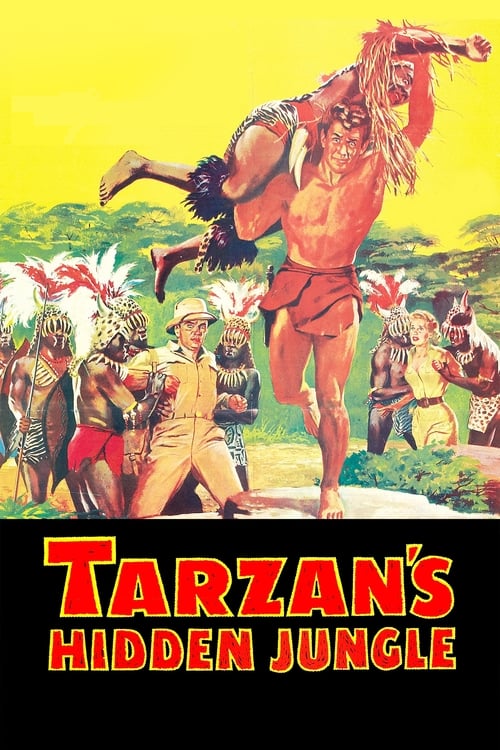
Tarzan's Hidden Jungle is a traditional mid-century adventure film that relies heavily on established genre clichés and the social hierarchies of 1955 cinema. It lacks meaningful challenges to cultural or gender norms, instead reinforcing Western perspectives and traditional storytelling structures. While the setting introduces diverse cultural elements, these are framed through a colonialist lens that limits the ability to act of non-Western characters.
Category Breakdown
The film does not include any characters with non-cisgender identities or same-sex relationships, sticking to the heterosexual norms of 1955 adventure cinema.
Women in the film primarily serve supportive or romanticized roles rather than driving the plot. The story follows mid-century conventions that emphasize traditional gender roles.
The setting suggests the presence of non-Anglo-Saxon characters, but they likely function as limited archetypes. The story may risk 'othering' indigenous cultures through a colonialist lens.
The plot revolves around a conflict between hunters and a localized belief system regarding sacred animals. However, the perspective remains rooted in Western explorer archetypes.
There is no mention of characters dealing with physical or neurodivergent conditions within the narrative.
Present on Screen
Limited or Absent
Official Synopsis
Hunters trespass into Sukulu country, where animals are sacred, posing as photographers.
1956
1954
1963
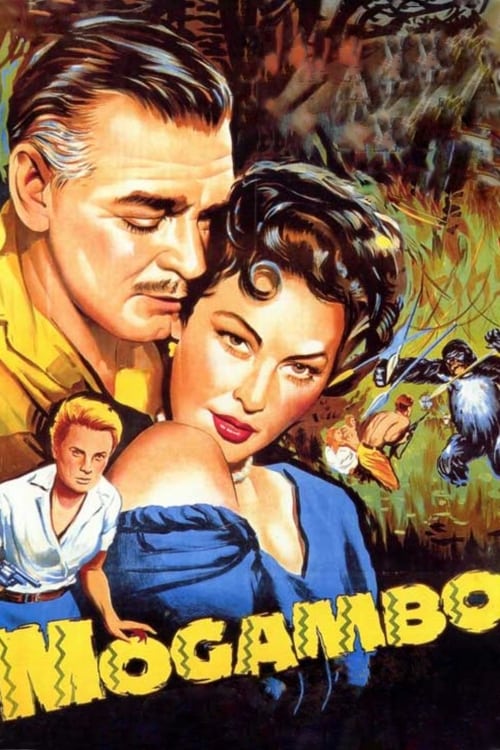
1953
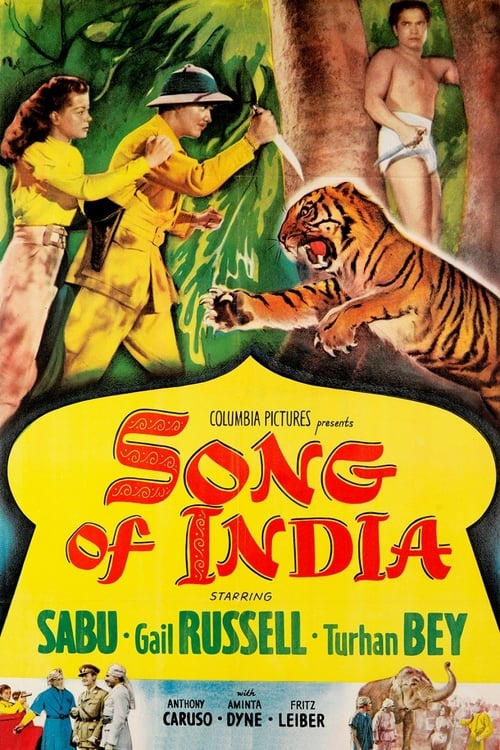
1949
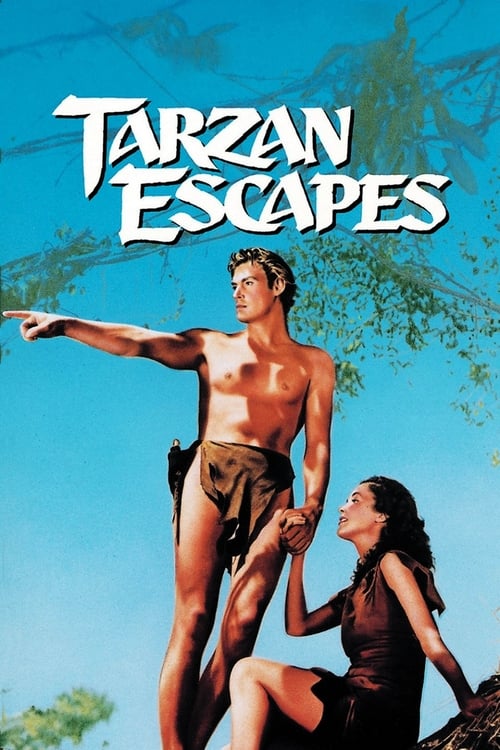
1936
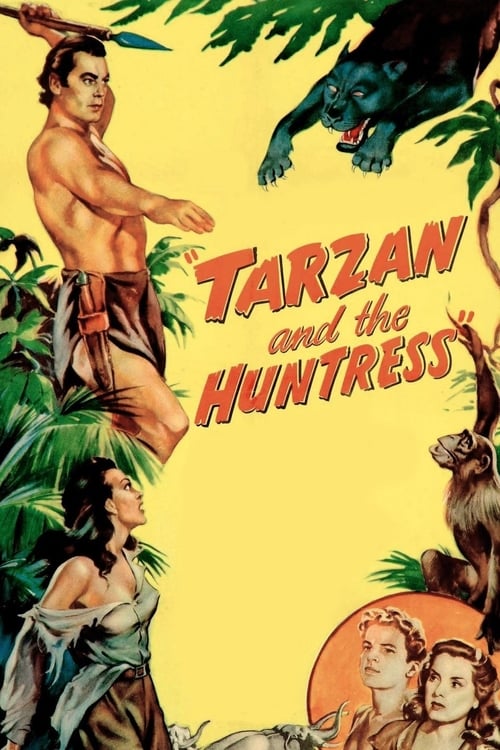
1947
1959
No reviews yet. Be the first to share your thoughts on this movie!
Use the rating form above to leave a star rating and optional review.