
The Red Circle
1960
No user ratings available yet
Diversity score: 3.0 out of 10
1961
Director
Jürgen Roland
Runtime
89 minutes
Average Rating
No ratings yetSynopsis
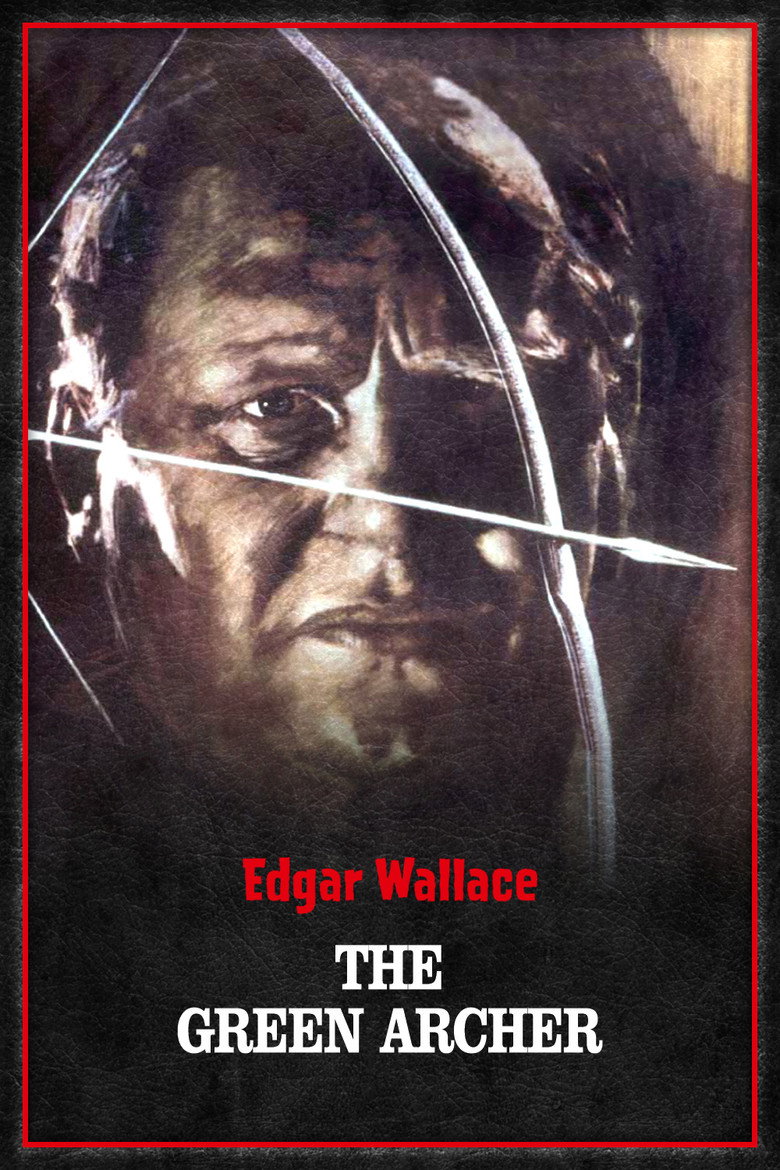
The country estate of American emigre Abel Bellamy is haunted by the ghost of the Green Archer, a 14th century Robin Hood type figure who terrorised the former lords of the manor. Now, with the gangster coming home on vaguely defined business and his niece Valerie arriving with her adoptive father to take up residence in the adjacent mansion, much to Bellamy's annoyance, the archer has returned. Who is he and what does he want?
Overall Score
Limited
Category Breakdown
LGBTQ+ Representation
The film adheres to the heteronormative social structures of 1961. There is no evidence of queer themes or non-cisnormative identities.
Gender Representation
The plot centers on a male-dominated conflict between a gangster and a legendary figure. Valerie exists as a presence, but functions primarily as a catalyst for male-driven drama.
Racial & Ethnic Diversity
The cast reflects a homogeneous Western European demographic typical of the era. There is no evidence of non-white majority casting or race-bent characters.
Religious & Cultural Diversity
The story follows conventional Western storytelling focused on property and legacy. It upholds standard moral archetypes without challenging Western institutions or religious traditions.
Disability Representation
No characters with visible or invisible disabilities are integrated into the narrative. Disability is not used as a central theme or a plot device.
Strengths
Areas for Improvement
AI Analysis
The Green Archer is a traditional mid-century crime mystery that prioritizes genre suspense over social exploration. It functions as a standard product of its era, reinforcing the demographic norms and social hierarchies prevalent in 1961 German cinema. The narrative architecture is heavily centered on male conflict and property-based drama. This focus limits the agency of female characters and maintains a homogeneous Western European perspective throughout the film. Ultimately, the film lacks intentionality regarding intersectional representation. It serves as a textbook example of its period, adhering to established cinematic conventions rather than disrupting them.
1960
1952
1961
1966
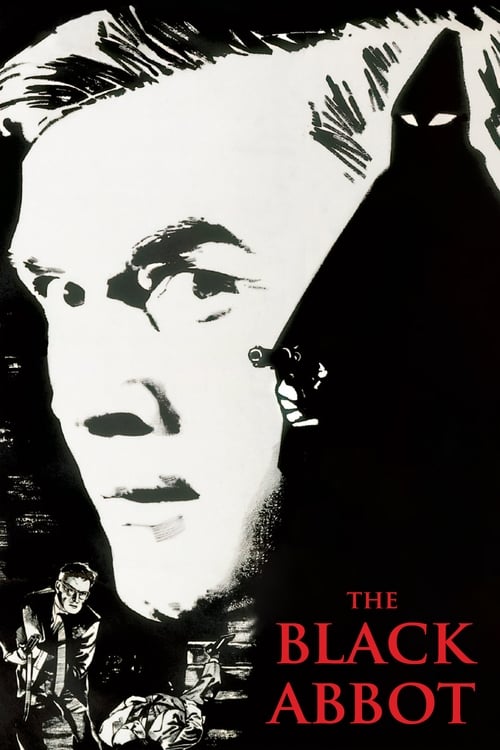
1963
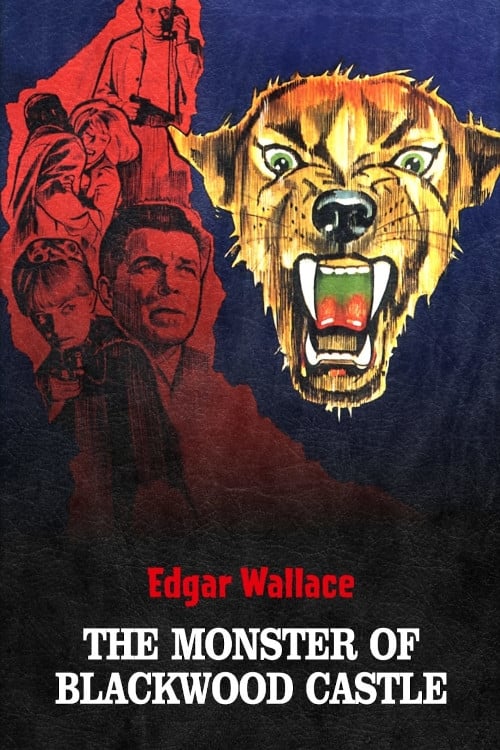
1968
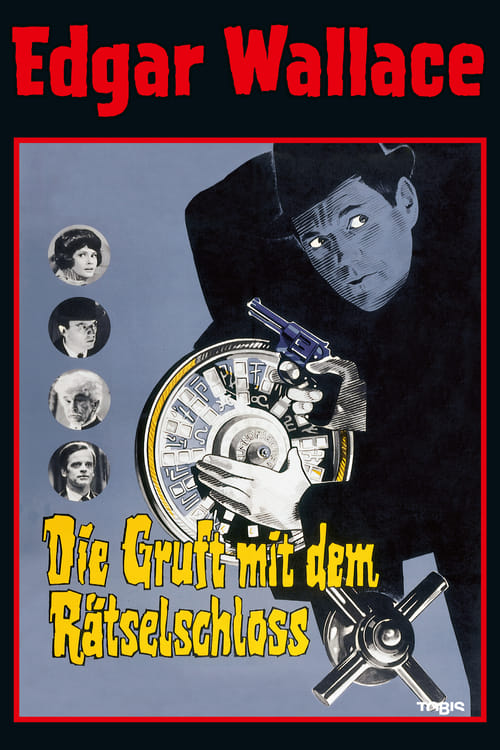
1964
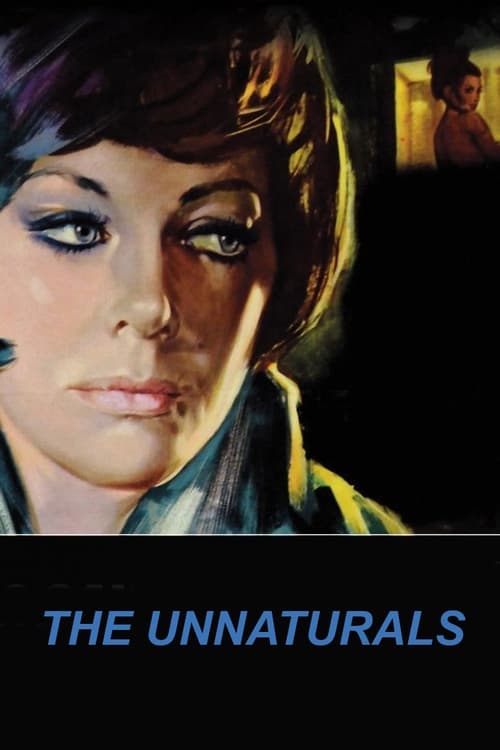
1969
1948
1950

1969
1965
No reviews yet. Be the first to share your thoughts on this movie!
Use the rating form above to leave a star rating and optional review.