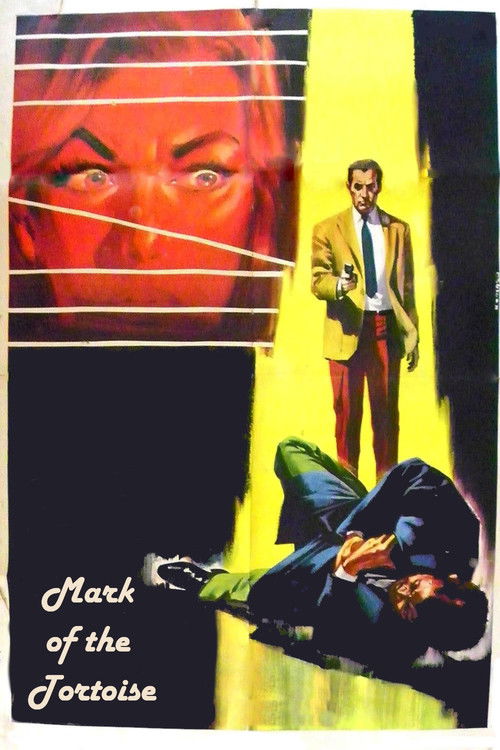
Mark of the Tortoise
1964
No user ratings available yet
Representation score: 2.8 out of 10

Representation Score
Limited
1960
Director
Jürgen Roland
Runtime
90 minutes
Average Rating
No ratings yetNew Showbiz Analysis
The Red Circle is a quintessential mid-century crime thriller that prioritizes genre-driven suspense over social representation. Its narrative architecture is built around a hereditary mystery and a family curse, adhering strictly to the cinematic conventions of its era. The film reflects the demographic and social homogeneity typical of 1960s German productions. It focuses on traditional family structures and patriarchal lineage, offering little room for challenging established social hierarchies or identity-based storytelling. Ultimately, the work functions as a procedural mystery. It emphasizes plot mechanics and the consequences of individual actions rather than the inclusion of diverse or multi-layered identities.
Category Breakdown
The film does not include any LGBTQ+ characters or narratives that challenge the assumption that everyone is straight or cisgender. It follows the traditional narrative structures common in 1960s German crime cinema.
The plot centers on patriarchal lineage and a generational family curse. Women appear to occupy reactive or domestic roles rather than driving the mystery through their own choices.
The production reflects the demographic homogeneity of 1960s Germany. There is no evidence of diverse casting or non-white characters within this localized mystery.
The story focuses on traditional morality and the preservation of social order. It avoids anti-Western or secularist themes, favoring classical crime genre conventions.
There is no mention of characters with visible or invisible disabilities. No assessment of neurodivergence or physical disability is possible.
Present on Screen
Limited or Absent
Official Synopsis
A strange, red circle appears on the neck of a man saved from the guillotine. What is its mysterious meaning? Tragically, it turns out to be something of a family curse, as each generation thereafter bears the same sign, which in turn leads to blackmail and murder.
1964

1958
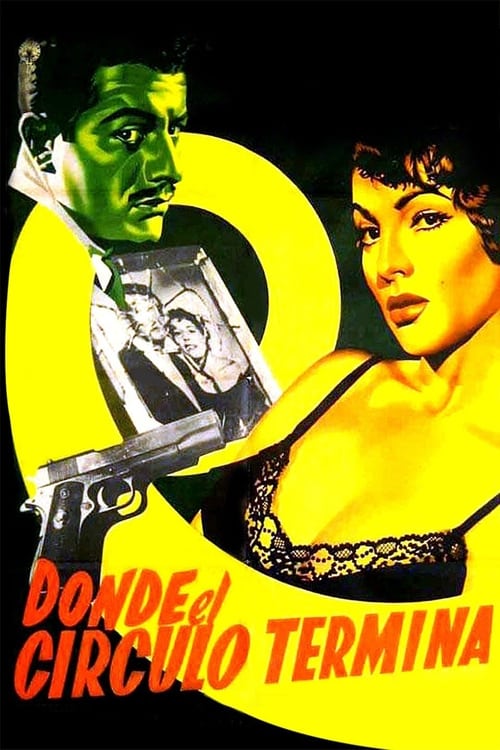
1956
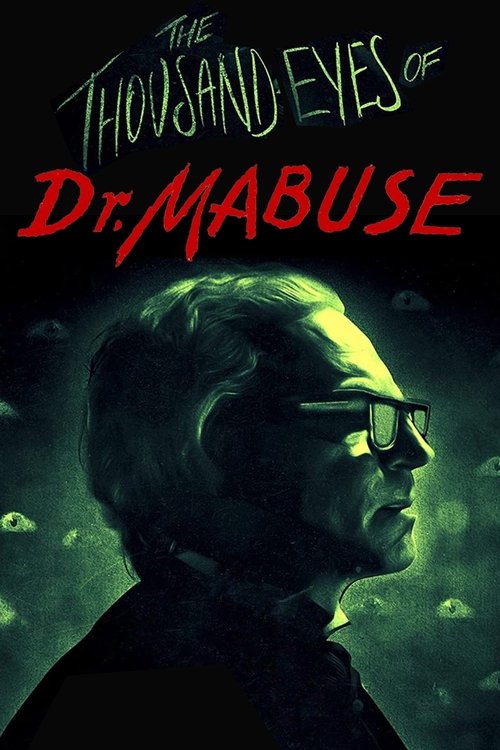
1960
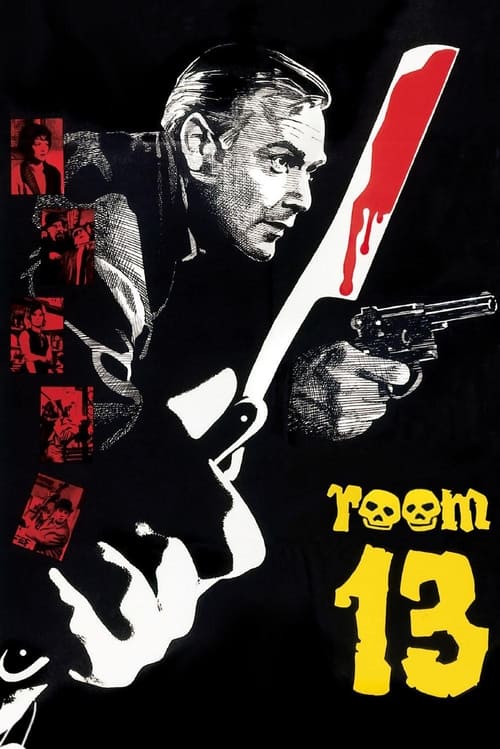
1964

1950
1968
1958
No reviews yet. Be the first to share your thoughts on this movie!
Use the rating form above to leave a star rating and optional review.