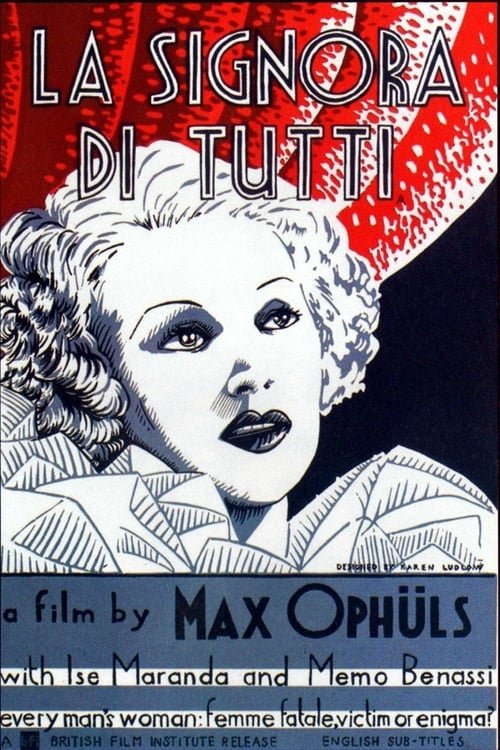
Everybody's Woman
1934
No user ratings available yet
Representation score: 3.2 out of 10
Representation Score
Good
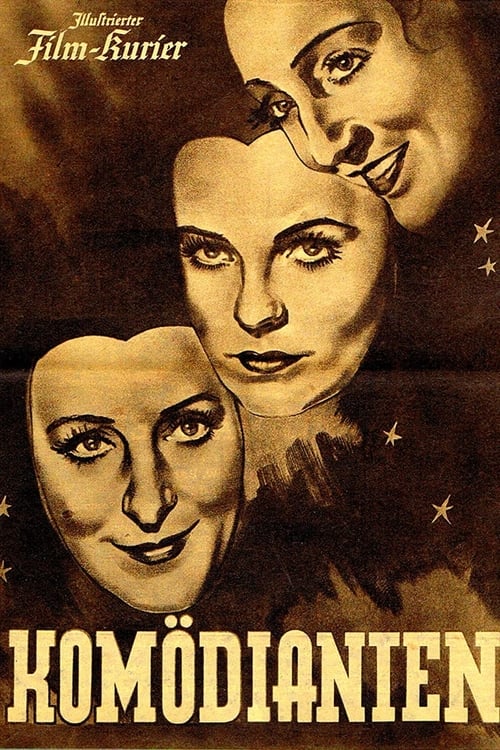
1941
Director
G.W. Pabst
Runtime
111 minutes
Average Rating
No ratings yetNew Showbiz Analysis
G.W. Pabst’s melodrama deconstructs rigid social hierarchies through its central tragic storyline. By focusing on the conflict involving powerful women and the tension between artists and the aristocracy, the film provides a nuanced critique of class-based oppression. However, the work is constrained by the casting norms of its era, leading to a lack of racial and LGBTQ+ diversity. The narrative remains centered on Western European social structures, limiting broader representation of identity. Ultimately, the film is a study of systemic rejection. Despite the absence of modern diversity markers, its exploration of how institutions suppress individual spirit offers significant thematic depth.
Category Breakdown
The film does not include explicit representations of non-traditional gender identities or same-sex relationships. The troupe's unconventional lifestyle hints at a break from conventional norms, but the plot centers on issues of marital legitimacy and societal acceptance.
Powerful women such as Karoline Neuber and the Duchess play key roles in driving the narrative. The film examines how these women navigate and challenge the patriarchal structures of marriage and nobility.
The film reflects the homogeneous casting typical of its time and European setting. There is no indication of racial blending or non-white characters within this Western European context.
The story criticizes the hypocrisy of the aristocracy and the provincial bourgeoisie. It portrays the performers as outsiders pursuing authenticity against a corrupt and oppressive social order.
There is no meaningful depiction of physical or cognitive disabilities. Characters are defined by their social and professional roles rather than by any engagement with disability.
Present on Screen
Limited or Absent
Official Synopsis
Although she is known as a patron of the arts, a graceful duchess nevertheless refuses her nephew to marry an enterprising actress in this German melodrama starring Kathe Dorsch and silent screen legend Henny Porten. When Philine (Hilde Krahl), the troupe's ingénue, is rejected as proper marital material by the Duchess of Weissenfels (Porten), Karoline Neuber (Dorsch) creates such a furor that she is banished from the country. A performance at the court at St. Petersburg also ends in disaster for the unhappy actress and abandoned by all, Karoline dies a suicide.
1934
1924
1935

1930
1920

1935
1939

1924
No reviews yet. Be the first to share your thoughts on this movie!
Use the rating form above to leave a star rating and optional review.