Obedience
1962
No user ratings available yet
Representation score: 1.9 out of 10
Representation Score
Limited
2015
PG-13Director
Michael Almereyda
Runtime
97 minutes
Average Rating
No ratings yetNew Showbiz Analysis
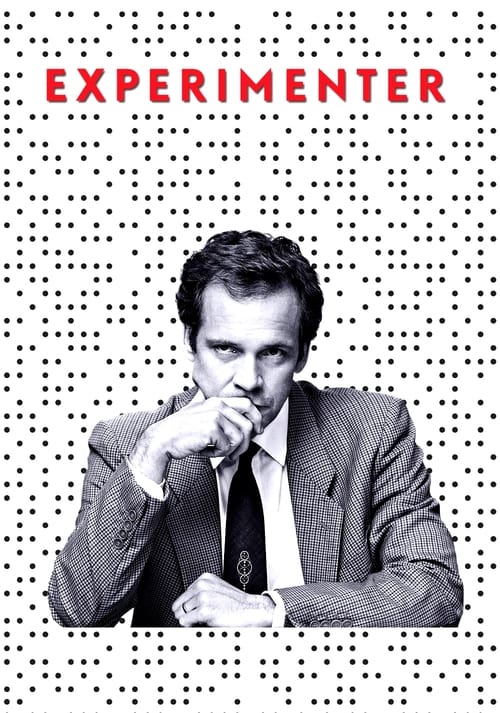
Experimenter is a thoughtful, postmodern exploration of authority and human behavior. It emphasizes intellectual deconstruction over demographic representation, focusing on the ethical implications of institutional power. The film's strength lies in its critical examination of systemic compliance and the complexities of Stanley Milgram's legacy. However, it adheres closely to the demographic realities of a 1960s academic setting, resulting in limited representation of diverse identities.
Category Breakdown
The film centers on the lives of Stanley and Sasha Milgram, with no prominent LGBTQ+ characters or narratives critiquing straight relationships.
The story highlights the rigid gender roles of the 1960s academic world. While Sasha Milgram is present, the plot mainly revolves around Stanley's scientific work.
Reflecting the era, the cast is mostly white, with limited representation of minorities in the background of the academic setting.
The film examines the harmful effects of scientific institutions and delves into moral relativism. It employs postmodern techniques to question the stability of historical truths.
There are no significant portrayals of physical or neurodivergent disabilities that play a key role in the narrative or character development.
Present on Screen
Limited or Absent
Official Synopsis
Yale University, 1961. Stanley Milgram designs a psychology experiment that still resonates to this day, in which people think they’re delivering painful electric shocks to an affable stranger strapped into a chair in another room. Despite his pleads for mercy, the majority of subjects don’t stop the experiment, administering what they think is a near-fatal electric shock, simply because they’ve been told to do so. With Nazi Adolf Eichmann’s trial airing in living rooms across America, Milgram strikes a nerve in popular culture and the scientific community with his exploration into people’s tendency to comply with authority. Celebrated in some circles, he is also accused of being a deceptive, manipulative monster, but his wife Sasha stands by him through it all.
1962
1977
1976

2016
2005

2017

2015

1961
No reviews yet. Be the first to share your thoughts on this movie!
Use the rating form above to leave a star rating and optional review.