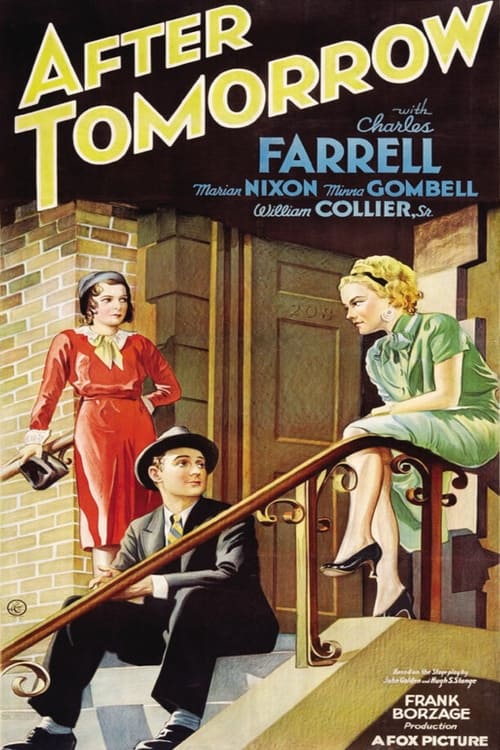
After Tomorrow
1932
No user ratings available yet
Representation score: 1.2 out of 10
Representation Score
Minimal
1935
ApprovedDirector
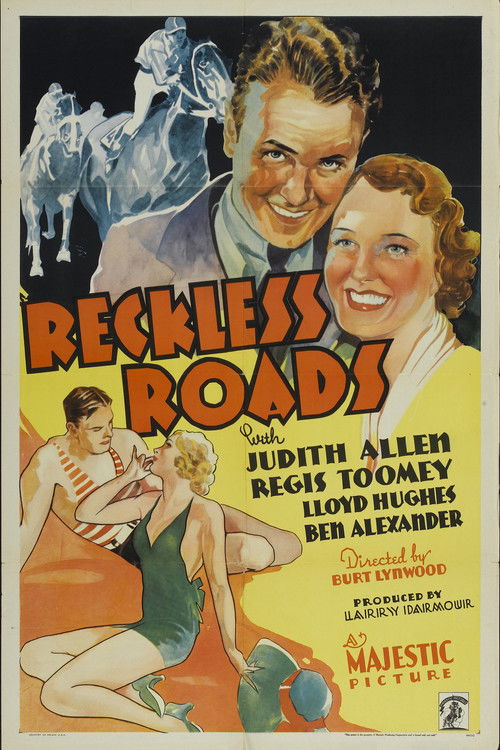
Burt P. Lynwood
Runtime
60 minutes
Average Rating
No ratings yetNew Showbiz Analysis
Reckless Roads is a product of its time, adhering to the conventional dramatic structures of the mid-1930s. The film prioritizes traditional social hierarchies and straight-centered stability over any form of systemic challenge. The central conflict focuses on economic survival through marriage, a theme that reinforces existing social contracts rather than challenging them. This focus limits the narrative to a very narrow, traditional worldview. Ultimately, the film lacks representation for diverse identities, focusing instead on a homogeneous social landscape where women's ability to drive the story is constrained by domestic and financial expectations.
Category Breakdown
The film does not include any characters with non-straight or non-cisgender identities, nor does it show any same-sex relationships.
Edith Adams is the main character, but her role is limited by economic and family pressures. Her security is tied to her marital status, which reinforces traditional gender roles.
The cast does not include any characters from diverse racial backgrounds. The story seems centered on a homogeneous social structure.
The film follows traditional Western values and mid-century morality. It emphasizes marriage as a solution to economic hardships, reinforcing established social contracts.
The film does not depict or mention any characters with physical or neurodivergent disabilities.
Present on Screen
Limited or Absent
Official Synopsis
Edith Adams, burdened by her family’s financial struggles, faces pressure from her mother to marry well.
1932
1920
1931

1930
1943
1936
1923
1937
No reviews yet. Be the first to share your thoughts on this movie!
Use the rating form above to leave a star rating and optional review.