Sova Räv
1982
No user ratings available yet
Diversity score: 4.9 out of 10
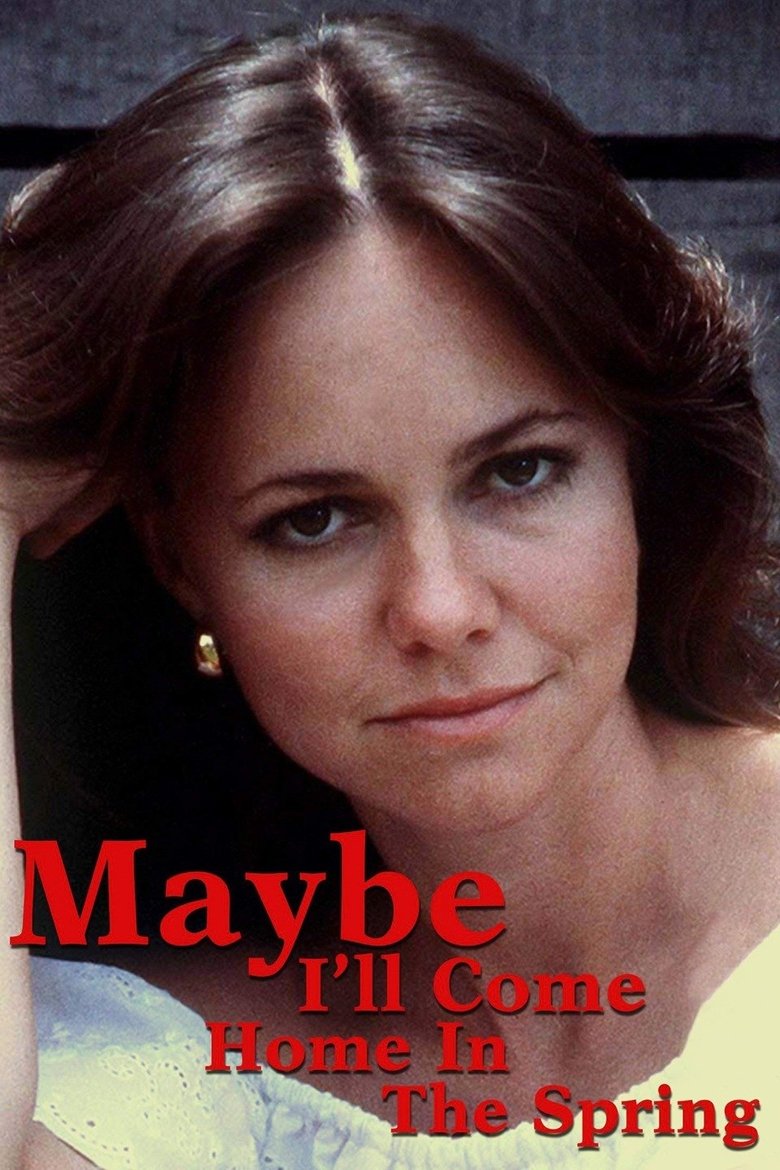
1971
Director
Joseph Sargent
Runtime
74 minutes
Average Rating
No ratings yetSynopsis
Dennie has returned from a year among the hippies to her superficial, image-conscious suburban family. She must face their disapproval of her actions. They refuse to even try to understand. She must also deal with an ex-lover, and a beloved young sister who is following in her footsteps, wanting the idealistic hippie life but making some rash decisions in the process.
Overall Score
Fair
Category Breakdown
LGBTQ+ Representation
The film acknowledges non-traditional relationship histories through the mention of an ex-lover. However, it does not center on queer identity or offer a sustained critique of heteronormativity.
Gender Representation
Dennie serves as a strong female protagonist who disrupts domestic hierarchies by rejecting her family's superficial expectations. The story also explores female agency through a younger sister's pursuit of autonomy.
Racial & Ethnic Diversity
The production reflects the demographic homogeneity typical of 1971 American suburban dramas. The cast lacks significant non-white or non-Anglo-Saxon representation within its setting.
Religious & Cultural Diversity
The narrative critiques traditional Western institutions by framing the image-conscious suburban family as a site of oppression. It explores themes of anti-materialism through the hippie movement.
Disability Representation
There is no evidence regarding the depiction of physical or neurodivergent disabilities in this work.
Strengths
Areas for Improvement
AI Analysis
The film excels at thematic subversion, specifically in its critique of mid-century social conformity and the hollow nature of suburban domesticity. By centering on a woman reclaiming her identity, it provides a progressive look at individual agency against patriarchal expectations. However, the work is limited by the era's casting norms, resulting in a lack of racial and ethnic breadth. While it touches on social fluidity via past romantic connections, it fails to provide meaningful LGBTQ+ depth. Ultimately, the film is a character study of cultural friction rather than a diverse ensemble piece, prioritizing ideological conflict over intersectional representation.
1982
1977
1975
1977
1994

1973
1966

1982

1984

1970
No reviews yet. Be the first to share your thoughts on this movie!
Use the rating form above to leave a star rating and optional review.