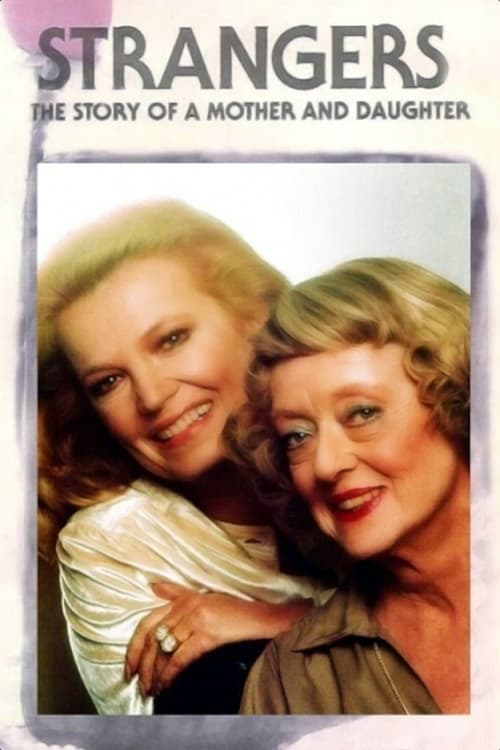
Strangers: The Story of a Mother and Daughter
1979
No user ratings available yet
Representation score: 3.9 out of 10

Representation Score
Limited
1982
LDirector
Sandor Stern
Runtime
120 minutes
Average Rating
No ratings yetNew Showbiz Analysis
Memories Never Die is a psychological drama that deconstructs the traditional nuclear family. It replaces sanitized domesticity with a realistic look at the friction caused by mental health recovery and social reintegration. While the film provides a meaningful exploration of female independence and neurodivergence, it remains narrow in its demographic scope. The lack of LGBTQ+, racial, or ethnic representation limits its broader social impact. Ultimately, the film's value lies in its psychological realism. It challenges the perceived stability of the Western family unit by focusing on the individual's struggle against systemic and familial structures.
Category Breakdown
The film focuses strictly on a family structure where everyone is assumed to be straight. There are no LGBTQ+ characters or stories about non-straight identities.
The story centers on a woman who navigates life after being institutionalized, challenging traditional ideas of the perfect mother. It explores female independence but doesn't directly challenge gender roles.
The story focuses on a specific family without any indication of a multi-ethnic cast. There is no integration of diverse racial perspectives within the narrative.
The film disrupts idealized family expectations by showing the home as a place of conflict. It moves away from moralistic views of mental health struggles.
The film offers a nuanced look at neurodivergence through the protagonist's history. It centers the social consequences of mental illness rather than using it as a mere plot device.
Present on Screen
Limited or Absent
Official Synopsis
When her husband becomes ill with heart problems, Joanne Tilford reluctantly returns to her family after a six-year stay in a mental institution. Her children are strangers to her and the woman who has been raising them is hostile to Joanne's presence.
1979

1978

1986
1987

1980
1992

1992

2007
No reviews yet. Be the first to share your thoughts on this movie!
Use the rating form above to leave a star rating and optional review.