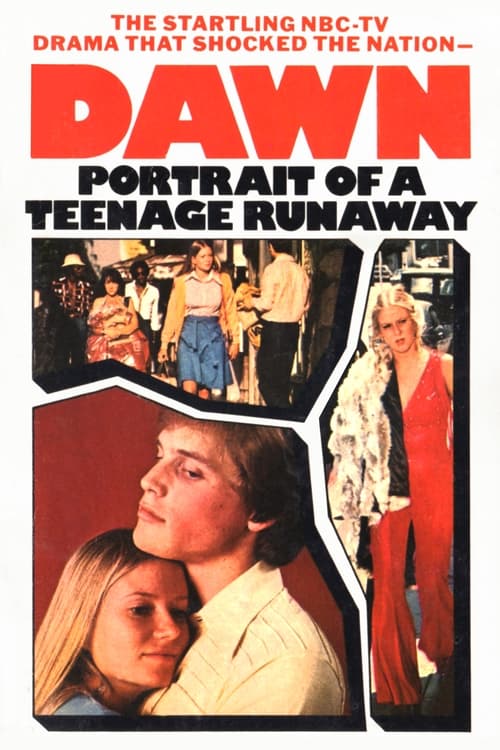
Dawn: Portrait of a Teenage Runaway
1976
No user ratings available yet
Representation score: 5.8 out of 10
Representation Score
Fair
1977
Not RatedDirector
John Erman
Runtime
96 minutes
Average Rating
No ratings yetNew Showbiz Analysis
This character-driven story stands out for its willingness to explore taboo topics such as queer identity and sex work through a lens of survival. By centering a protagonist who exists outside traditional agrarian and straight-centered success, the film actively dismantles social hierarchies. The narrative's strength lies in its refusal to condemn morally. Instead, it examines the systemic pressures of economic instability and the failures of the family unit. However, the film lacks verifiable diversity in terms of race and ethnicity. The focus remains heavily on class and sexuality, leaving the racial and ethnic landscape largely unexplored.
Category Breakdown
The film challenges traditional views by focusing on a relationship between the protagonist and a gay football player. This portrayal places a queer character in a typically hyper-masculine role, disrupting conventional ideas about gender and sexuality.
The narrative questions traditional masculinity by highlighting the protagonist's sensitivity as a source of conflict. It contrasts emotional vulnerability with the strict expectations of a rural setting, challenging rigid gender roles.
There is limited information about the racial makeup of the cast or ethnic dynamics in Los Angeles. The story emphasizes class and sexuality over specific racial or ethnic representation.
The film explores moral complexity by showing sex work as a survival mechanism rather than a moral failing. It also critiques the traditional nuclear family by portraying the parental home as a place of rejection.
While the protagonist is described as overly sensitive, there is no clear depiction of disability or neurodivergence in the narrative.
Present on Screen
Limited or Absent
Official Synopsis
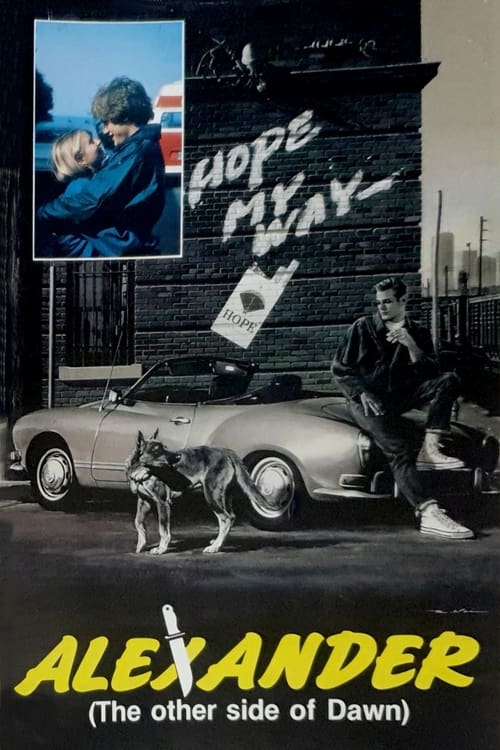
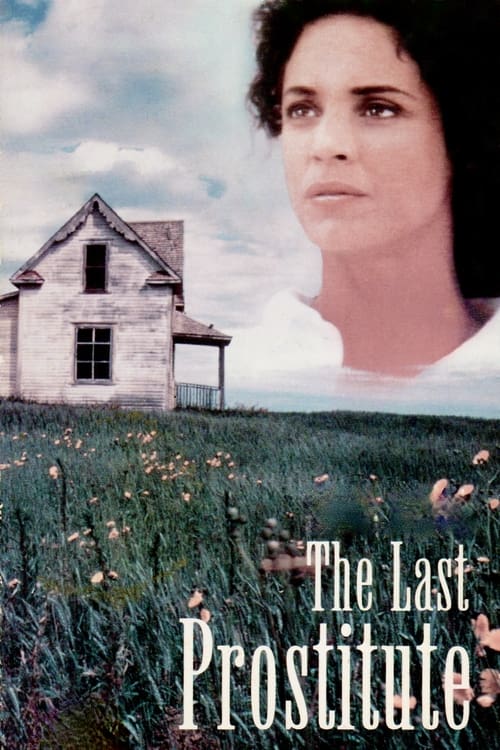
In this sequel to Dawn: Portrait of a Teenage Runaway, Alexander's story is told in both the past and the present. Alexander's parents send him away from home for being too sensitive and not helping enough on their farm. He goes to Los Angeles in hopes of going to art school, but when he can't find a job as a minor, he turns to prostitution. After being arrested, he wants to head to Arizona to marry Dawn, but he falls into a lucrative job/relationship with a gay football star.
1976
1995

1980
1994

1988
1991

1986
1994
No reviews yet. Be the first to share your thoughts on this movie!
Use the rating form above to leave a star rating and optional review.