Mama Colonel
2017
No user ratings available yet
Representation score: 9.3 out of 10
Representation Score
Excellent
2016
Director
Madeleine Gavin
Runtime
74 minutes
Average Rating
No ratings yetNew Showbiz Analysis
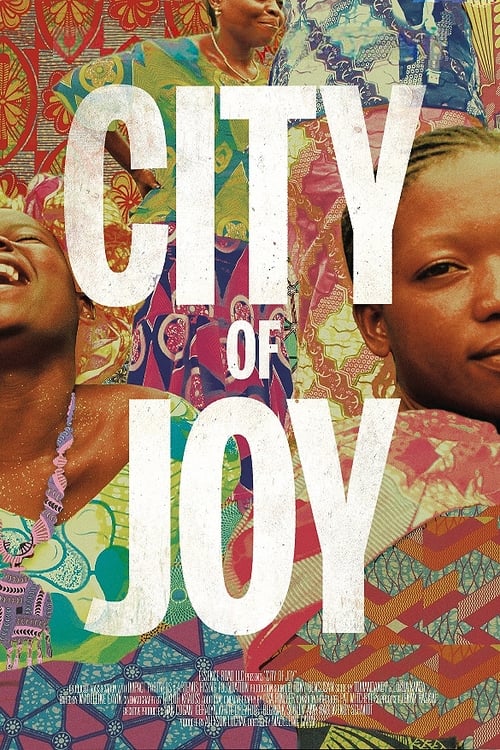
City of Joy succeeds by disrupting the standard humanitarian cliché of perpetual victimhood. Instead of focusing solely on the trauma of the Democratic Republic of Congo, the film emphasizes the ability to act of its subjects. It moves the viewer from a place of witnessing systemic oppression to witnessing communal reclamation. The film's greatest strength lies in its refusal to rely on Western-centric perspectives. By positioning Congolese professionals as the primary architects of change, the narrative maintains a sense of local authority and authenticity. While the film is powerful, it remains somewhat limited in its explicit representation of specific identities, such as LGBTQ+ individuals. However, its focus on bodily autonomy provides a strong foundation for discussing gendered power structures.
Category Breakdown
The film focuses on gender-based violence and reclaiming bodily autonomy. It challenges traditional power dynamics but lacks explicit depictions of diverse gender identities.
The narrative portrays women as active leaders rather than passive victims. It highlights their intellect and communal strength as key drivers of change.
The documentary avoids the white savior cliché by centering Congolese leadership. By focusing on local doctors and activists, it ensures an authentic, internal perspective on the region.
The film critiques systemic exploitation and global institutions. While featuring a devout doctor, it prioritizes human rights and communal resilience over religious dogma.
The film explores the physical and psychological impacts of war-related trauma. It treats these injuries with nuance, focusing on survival and functional leadership rather than inspiration porn.
Present on Screen
Limited or Absent
Official Synopsis
The Democratic Republic of Congo has endured 20 years of devastating violence. Rape has been used as a weapon of war to destroy community and access precious minerals. Congo is often referred to as “the worst place in the world to be a woman.” "City of Joy" tells a different story of the region. The film focuses on Jane, a student at a center where women who have suffered unimaginable abuse join together to become leaders. We also meet the founders of the center: a devout Congolese Doctor, a Congolese activist, and a radical N.Y. playwright. The film weaves between joy and pain as these individuals band together to demand hope in a place so often deemed hopeless.
2017

2011
2011

2015
2015
2019
2011
2023
No reviews yet. Be the first to share your thoughts on this movie!
Use the rating form above to leave a star rating and optional review.