Sabaya
2021
No user ratings available yet
Representation score: 7.2 out of 10
Representation Score
Excellent
2018
TV-14Director
Gemma Atwal
Runtime
79 minutes
Average Rating
No ratings yetNew Showbiz Analysis
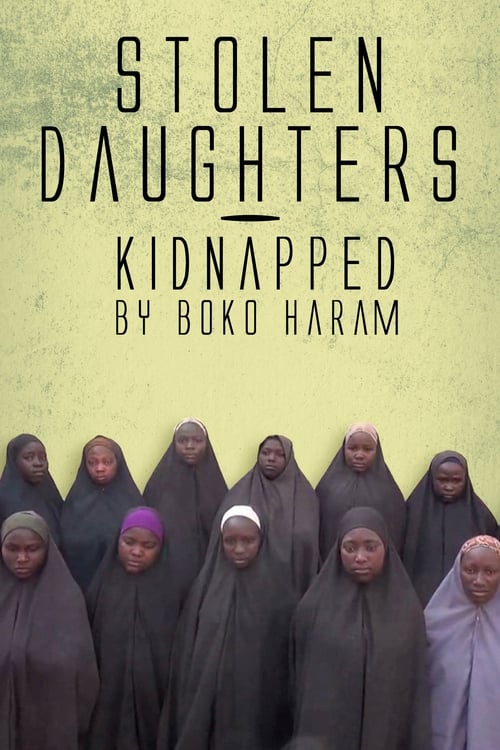
This documentary serves as a powerful testimonial narrative that prioritizes the ability to act of female survivors. By centering the lived experiences of women kidnapped by Boko Haram, the film disrupts traditional Western-centric documentary clichés and avoids the 'savior' narrative. The film excels in racial and gender representation, providing a platform for authentic, non-Western voices. It moves beyond simple victimhood to explore the complex realities of post-trauma reintegration and systemic violence. While the focus remains on gendered violence and the psychological impacts of trauma, the film provides a nuanced look at how extremist structures impact individual identity.
Category Breakdown
The documentary focuses on the gendered experiences of female captives. It does not explicitly center LGBTQ+ identities, maintaining a neutral stance without derogatory clichés.
The film centers women as primary drivers rather than passive victims. It highlights their resilience and the specific ways patriarchal and extremist structures target them.
The narrative prioritizes non-Western voices from the Nigerian and Sahelian context. It avoids Western savior clichés by focusing on the direct testimony of the survivors.
The film critiques extremist religious institutions as sources of oppression. It explores the tension between individual autonomy and restrictive social or religious expectations.
The documentary addresses the intersection of physical and psychological trauma. It provides insight into invisible disabilities like PTSD resulting from captivity.
Present on Screen
Limited or Absent
Official Synopsis
The story of the freed female hostages of Boko Haram, detailing their lives in captivity and since their release.
2021
2023

2018

2015
2018
2019
2016
2019
No reviews yet. Be the first to share your thoughts on this movie!
Use the rating form above to leave a star rating and optional review.