Gloria: In Her Own Words
2011
No user ratings available yet
Representation score: 8.9 out of 10
Representation Score
Excellent
2014
Not RatedDirector
Mary Dore
Runtime
87 minutes
Average Rating
No ratings yetNew Showbiz Analysis
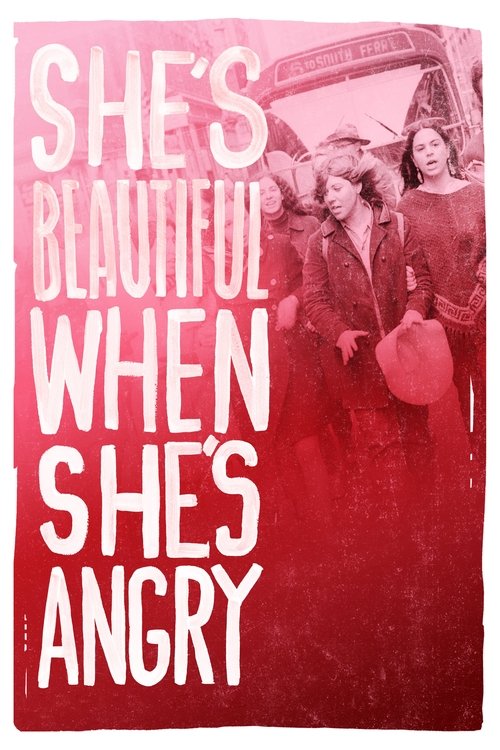
Mary Dore’s documentary offers a thorough reassessment of second-wave feminism, going beyond simple inclusion to explore how various underrepresented groups confront systemic oppression. The film stands out by examining identity politics with depth, particularly focusing on the intersections of gender, race, and class. Using archival footage and current testimonies, the documentary avoids a sanitized retelling of history. Instead, it presents the actions of activists as justified responses to institutional corruption and patriarchal structures. While the film effectively analyzes social hierarchy disruptions, it focuses more on political and racial intersections than on specific physical or neurodivergent experiences.
Category Breakdown
The film examines the historical connections and conflicts between feminist and LGBTQ rights movements. It avoids a narrow focus on straight relationships by showing sexuality as a flexible part of political activism.
This documentary highlights women as key drivers of social change. It dismantles male-dominated hierarchies by emphasizing women's active roles, intelligence, and resistance to traditional domestic roles.
The narrative challenges the idea of a uniform white history by featuring Black feminists. It addresses internal racial tensions to offer a layered view of diversity.
The film criticizes Western institutions, such as capitalism and religious systems, as sources of oppression. It portrays social disruption and peaceful protests as valid means of achieving freedom.
There is less emphasis on physical or neurodivergent disabilities. However, the film discusses reproductive rights and personal autonomy, which relate to disability issues.
Present on Screen
Limited or Absent
Official Synopsis
A documentary that resurrects the buried history of the outrageous, often brilliant women who founded the modern women's movement from 1966 to 1971.
2011

2017
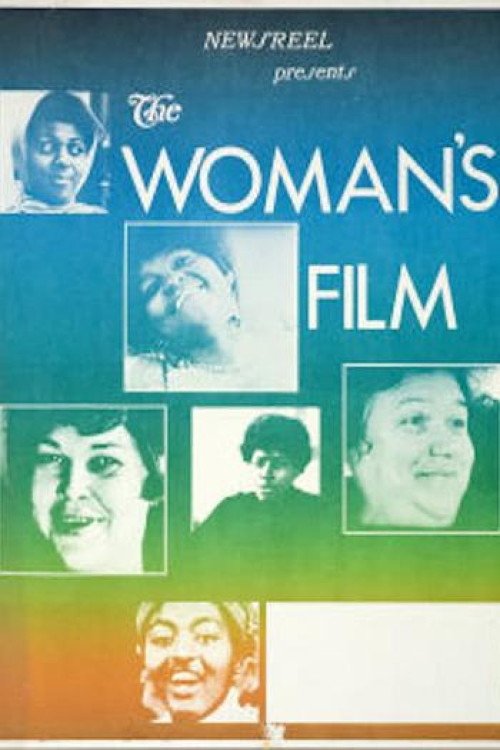
1971
2020
1971
2013
2018

2025
No reviews yet. Be the first to share your thoughts on this movie!
Use the rating form above to leave a star rating and optional review.