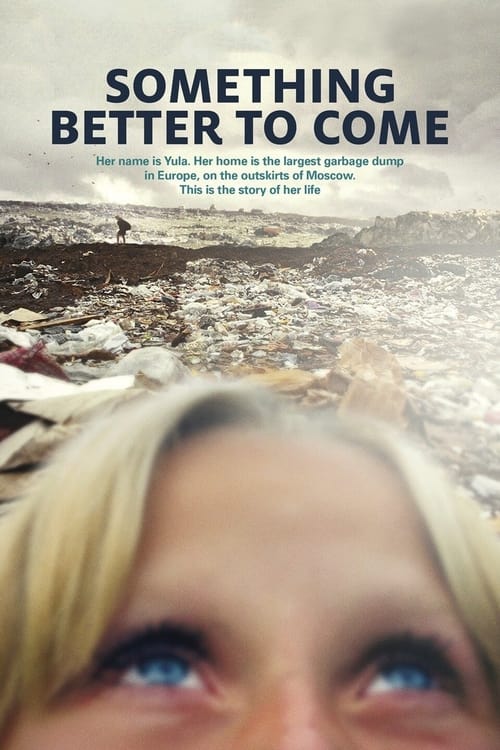
Something Better to Come
2014
No user ratings available yet
Diversity score: 6.3 out of 10
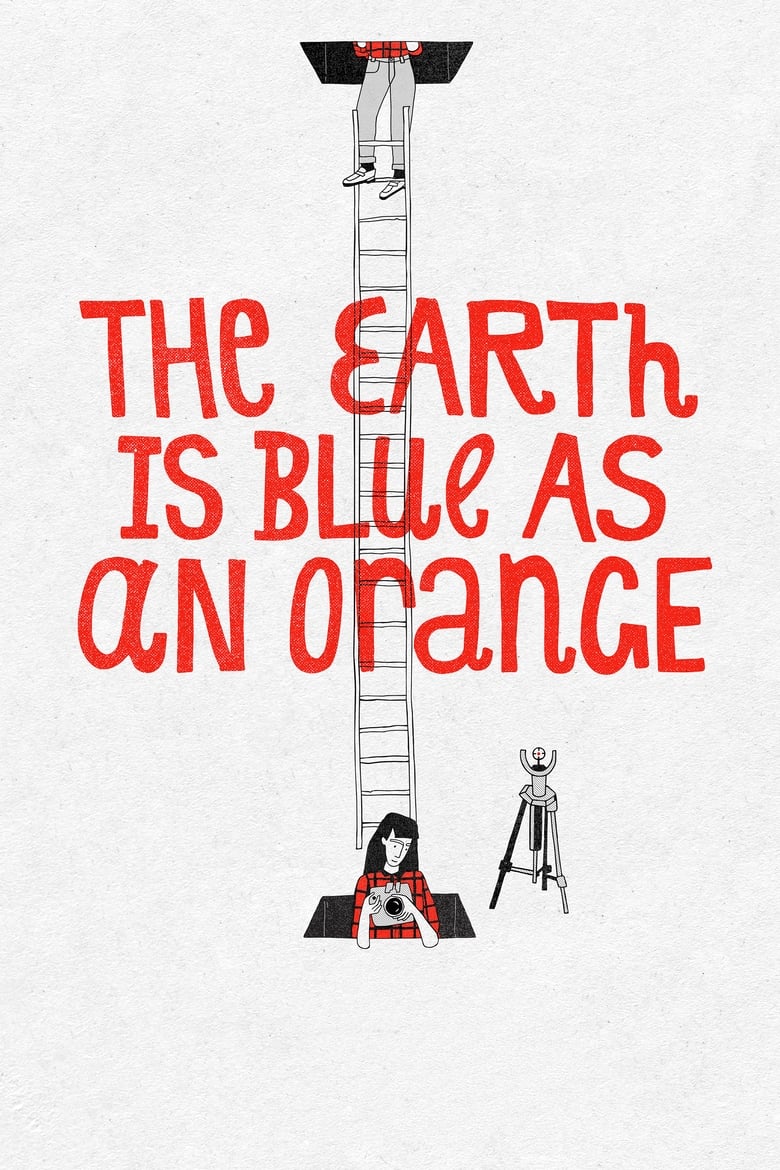
2020
Director
Iryna Tsilyk
Runtime
74 minutes
Average Rating
No ratings yetSynopsis
Single mother Anna and her four children live in the front-line war zone of Donbas, Ukraine. While the outside world is made up of bombings and chaos, the family is managing to keep their home a safe haven, full of life and full of light. Every member of the family has a passion for cinema, motivating them to shoot a film inspired by their own life during a time of war. The creative process raises the question of what kind of power the magical world of cinema could have during times of disaster. How to picture war through fiction? For Anna and the children, transforming trauma into a work of art is the ultimate way to stay human.
Overall Score
Good
Category Breakdown
LGBTQ+ Representation
The film focuses on a nuclear family unit, offering no explicit depictions of LGBTQ+ identities. It avoids non-heteronormative relationship dynamics in favor of domestic survival.
Gender Representation
Anna, a single mother, serves as the central pillar of leadership and stability. Her autonomy disrupts traditional hierarchies that often cast women as helpless victims in war zones.
Racial & Ethnic Diversity
The story is rooted in a specific Ukrainian context, providing a non-Western-centric perspective. While the family unit is demographically homogeneous, the themes of identity remain universal.
Religious & Cultural Diversity
The narrative prioritizes personal agency and artistic expression over state-driven patriotic tropes. It frames the home as a micro-community that resists the chaos of macro-political institutions.
Disability Representation
While no physical disabilities are noted, the film explores the invisible impact of psychological trauma. Characters use cinema to manage mental health and neurobiological responses to crisis.
Strengths
Areas for Improvement
AI Analysis
The film excels by shifting the cinematic lens from geopolitical combatants to the micro-human experience of a single mother and her children. It successfully subverts traditional war tropes by centering female agency and creative resilience. However, the narrative remains demographically narrow, focusing on a single homogeneous family unit. This limits the breadth of racial and LGBTQ+ representation within the immediate story. Ultimately, the work is a profound study of how individuals reclaim their personal narratives through art while navigating systemic instability and trauma.
2014
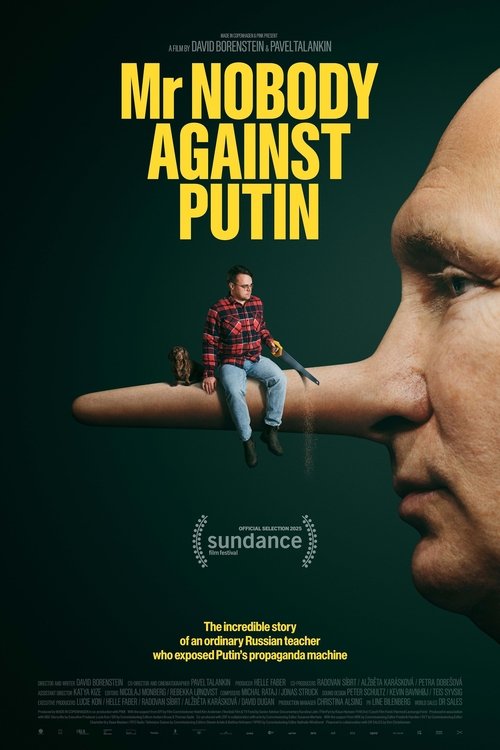
2025
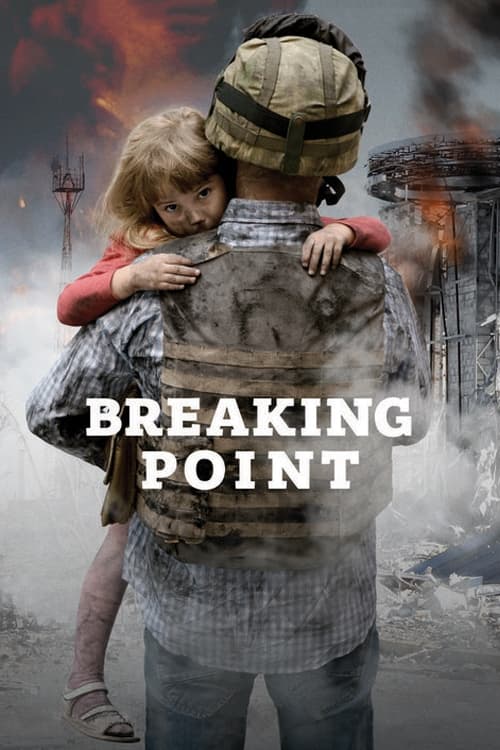
2017

2016

2023
2022
2019

2018
2014

2014
2018

2016
No reviews yet. Be the first to share your thoughts on this movie!
Use the rating form above to leave a star rating and optional review.