My Life Inside
2007
No user ratings available yet
Representation score: 6.6 out of 10
Representation Score
Excellent
2017
Director
Tatiana Huezo
Runtime
105 minutes
Average Rating
No ratings yetNew Showbiz Analysis
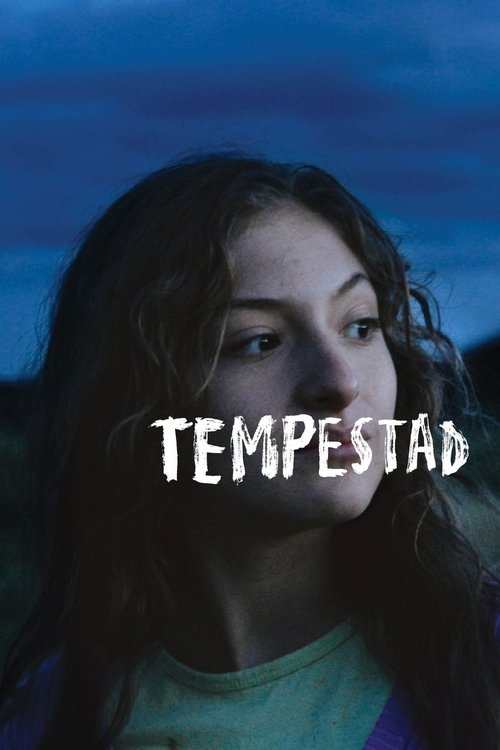
Tempestad is a powerful documentary that centers underrepresented female voices within a landscape of systemic violence. It succeeds by shifting the focus away from traditional masculine crime clichés toward the lived experiences of women navigating incarceration and loss. The film excels in its authentic portrayal of the Mexican socio-political landscape. By avoiding a Western-centric perspective, it provides a high degree of cultural depth and ethnic ability to act. However, the film lacks explicit representation of LGBTQ+ identities and specific portrayals of physical or neurodivergent disabilities. While it explores the psychological impact of trauma, these elements are not central to the narrative.
Category Breakdown
The film maintains a neutral stance on explicit representation. While it explores how violence controls human desires, there is no specific evidence of non-straight identities on screen.
The narrative centers entirely on women's ability to drive the story within patriarchal spaces. By focusing on women navigating prisons and disappearance, it disrupts traditional masculine-led crime narratives.
The documentary provides a profound immersion into the Mexican experience. It avoids a Western-centric lens to prioritize the lived realities of a population facing systemic collapse.
The film critiques traditional institutional stability. It portrays the state and organized crime as forces that render the safety of the family unit and law obsolete.
There is no specific evidence regarding the portrayal of physical disabilities or neurodivergence. The film may capture the psychological toll of trauma, but not as a central driver.
Present on Screen
Limited or Absent
Official Synopsis
A woman is recruited to a prison controlled by organized crime while another woman searches for her missing daughter. Through images that submerges us in a journey from north to south Mexico, both testimonies collide and take us to the center of a storm: a country where violence has taken control of our lives, our desires and our dreams.
2007
2023
2006
2020
2020
2021

2001

2015
No reviews yet. Be the first to share your thoughts on this movie!
Use the rating form above to leave a star rating and optional review.