
Season of the Devil
2018
No user ratings available yet
Representation score: 8.1 out of 10
Representation Score
Excellent
2002
TV-14Director
Chito S. Roño
Runtime
128 minutes
Average Rating
No ratings yetNew Showbiz Analysis
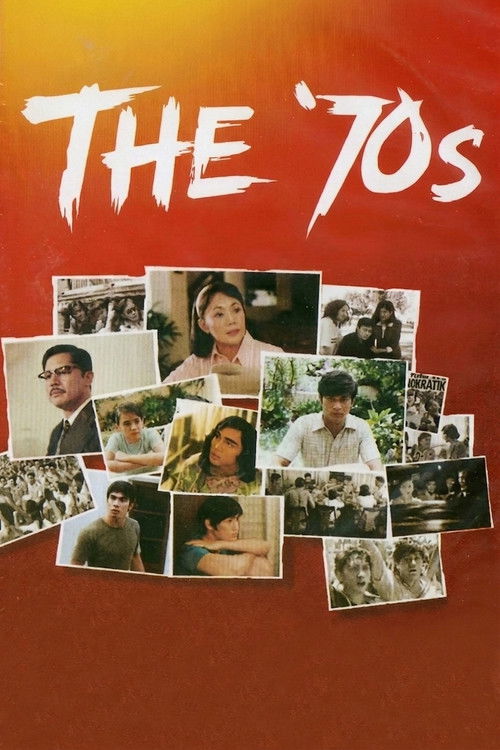
Dekada '70 is a powerful deconstruction of authority that shifts the historical lens from state-driven events to the domestic sphere. It succeeds by showing how political repression fundamentally alters individual and family identities. The film's greatest strength is its portrayal of female empowerment. By documenting Amanda's journey from the household periphery to political activism, it challenges the archetype of the submissive matriarch. However, the narrative remains narrow in its representation of identity. The focus on political and psychological trauma leaves little room for the inclusion of diverse physical or neurodivergent perspectives.
Category Breakdown
The film centers on a family structure that assumes everyone is straight or cisgender. While it explores individual identity under a repressive state, it lacks explicit LGBTQ+ character arcs or non-cisgender depictions.
The story disrupts traditional gender roles by focusing on Amanda’s evolution. She transforms from a passive domestic figure into a politically conscious dissident with a significant role in driving the story.
This film provides high ethnic specificity by centering a Filipino family. It prioritizes the lived experiences of a non-Western population against a Western-influenced political backdrop.
The narrative critiques oppressive state and military institutions. It frames dissent as a necessary response to systemic injustice and questions the corrupt order maintained by the dictatorship.
There is no prominent depiction of physical or neurodivergent disabilities. The narrative focuses instead on the psychological trauma caused by state-sponsored violence.
Present on Screen
Limited or Absent
Official Synopsis
Set in the Philippines during martial law, the film follows the Bartolome family’s struggles over several years.
2018

1985

1996
1989
1989

1976

1995

2013
No reviews yet. Be the first to share your thoughts on this movie!
Use the rating form above to leave a star rating and optional review.