
Puente de coplas
1965
No user ratings available yet
Representation score: 1.4 out of 10

Representation Score
Minimal
1966
Director
Rafael Gil
Runtime
91 minutes
Average Rating
No ratings yetNew Showbiz Analysis
Camino del Rocío is a mid-century drama that upholds traditional social structures. The plot centers on inheritance and romantic obligations, adhering closely to the cinematic norms of 1960s Spain. The narrative lacks complexity in representing multiple aspects of identity, focusing instead on preserving family lineage and patriarchal structures. While women drive the emotional core, their power is often linked to economic stability and male-led legacies. Ultimately, the film serves as a traditional piece that avoids challenging the social or cultural status quo of its time.
Category Breakdown
The film emphasizes traditional heterosexual relationships and does not include any representation of LGBTQ+ identities or critiques of the assumption that everyone is straight or cisgender.
Women play central roles but are often positioned in situations where they react to the actions of others, such as the deceased patriarch and the antagonist Martina.
The cast appears to be homogeneous, with no indication of racial diversity or blended cultural backgrounds.
The story revolves around traditional values of familial duty and legacy, focusing on restoring order after the death of a key figure.
There are no visible or invisible disabilities represented in the film.
Present on Screen
Limited or Absent
Official Synopsis
Esperanza and Maria Jesús are two orphans because their father, Don Fernando, dies. He shared his buissines with Martina Echave, an old lover, who hated him because she has always wanted to marry him. Esperanza and Maria Jesús fall almost into ruin for Matinas' handling. They had to take refuge with their aunt. Esperanza is Martinas' soon's girlfriend against her will, and they have a stormy relationship because José Antonio is also in love with her.
1965

1976

1956

1963

1959

1957
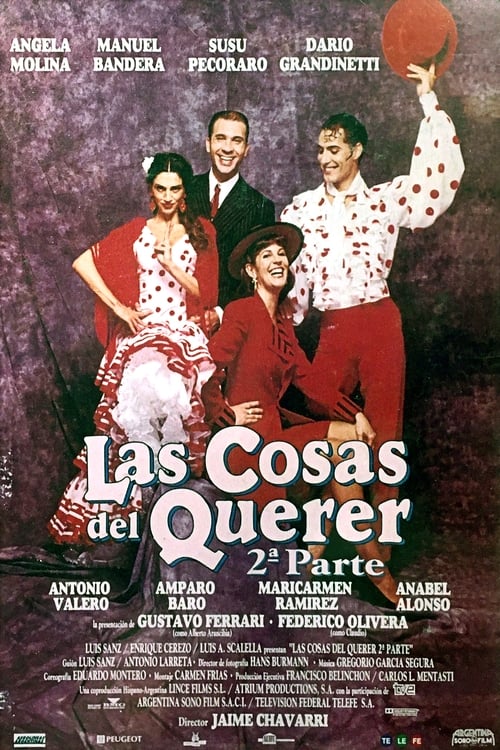
1995

1959
No reviews yet. Be the first to share your thoughts on this movie!
Use the rating form above to leave a star rating and optional review.