Sugar Hill
1974
No user ratings available yet
Representation score: 3.7 out of 10
Representation Score
Fair
1987
RDirector
Jack Bravman
Runtime
89 minutes
Average Rating
No ratings yetNew Showbiz Analysis
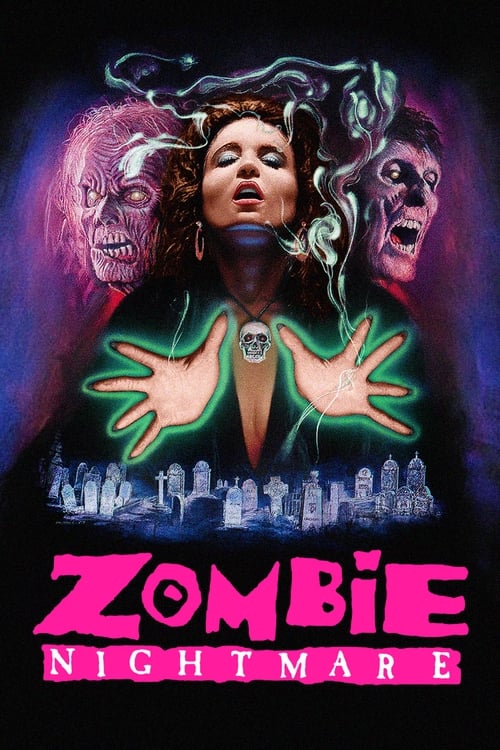
Zombie Nightmare is a genre-driven horror film that reflects the limited social perspectives of 1980s low-budget filmmaking. It relies heavily on established clichés rather than attempting to deconstruct social hierarchies or provide progressive commentary. The film's primary contribution to diversity is the inclusion of Haitian Voodoo and a non-white character, Molly Mokembe, who drives the supernatural plot. However, this inclusion functions more as a plot device for resurrection than a meaningful exploration of cultural ability to act. Ultimately, the movie remains within a traditional framework, lacking representation for LGBTQ+ identities or disabilities and maintaining conventional gender roles typical of the slasher genre.
Category Breakdown
The film does not include any LGBTQ+ characters and does not challenge the assumption that everyone is straight or cisgender.
Female characters play traditional survivalist roles common in the era's horror genre. They do not significantly disrupt established power dynamics or demonstrate dominance over male counterparts.
Molly Mokembe, a Haitian practitioner, adds a layer of non-Anglo-Saxon influence. This representation is tied to genre-specific plot devices rather than a deep exploration of systemic the way different parts of someone's identity overlap.
Haitian Voodoo serves as a central plot mechanism for the resurrection. The film uses these non-Western spiritual elements through a lens of genre-based mysticism.
There is no discernible representation of physical or neurodivergent disabilities. Characters are depicted through standard physical archetypes without exploring lived experiences of disability.
Present on Screen
Limited or Absent
Official Synopsis
Tony Washington is killed in a hit-and-run after saving the local bodega clerk from robbers. Molly Mokembe is a Haitian voodou practitioner who brings him back as a zombi from a debt owed by Tony's late dad in an act of sacrifice that saved her. Jimbo, the kid that iced Tony, is embracing some new sadistic feelings. What follows is a revenge that can only be sated once all of those who were with Jimbo that night have had their due.
1974
1972
1973
1964
1994
1979
1961
1989
No reviews yet. Be the first to share your thoughts on this movie!
Use the rating form above to leave a star rating and optional review.