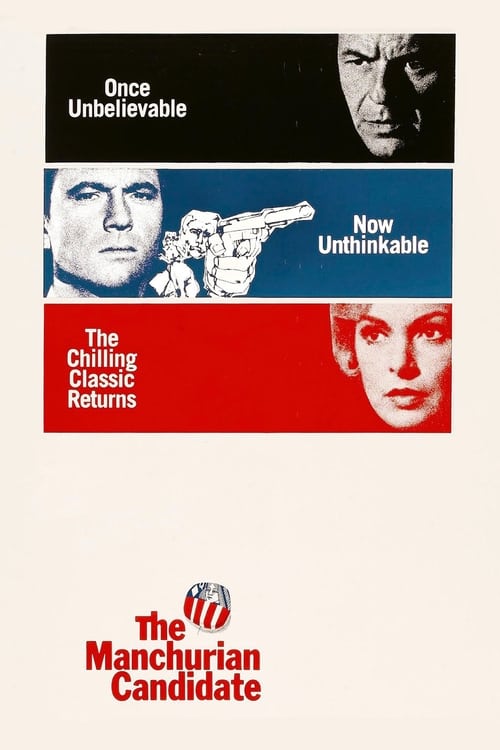
The Manchurian Candidate
1962
No user ratings available yet
Representation score: 4.6 out of 10
Representation Score
Minimal
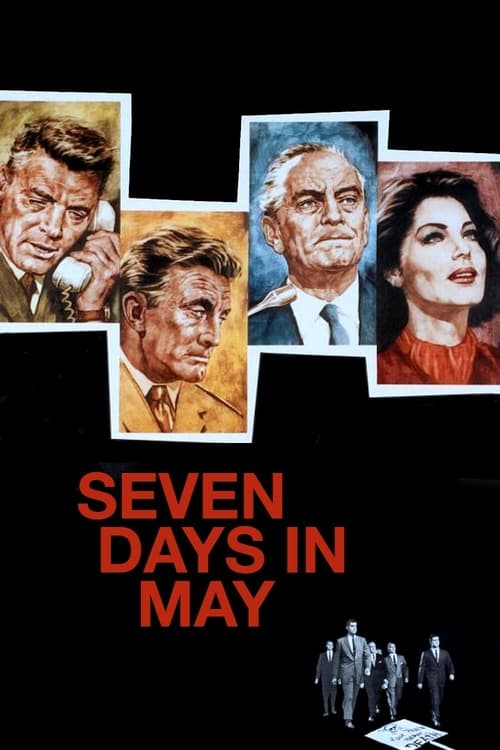
1964
ApprovedDirector
John Frankenheimer
Runtime
118 minutes
Average Rating
No ratings yetNew Showbiz Analysis
Seven Days in May is a classic political procedural that mirrors the social hierarchies of 1964. The story centers on the ethics of command and the preservation of institutional stability, but it does so through a very narrow demographic lens. The film’s strength lies in its sophisticated examination of military authoritarianism and the tension between civilian and military authority. However, the narrative lacks diversity in almost every social category, presenting a world dominated by white men, with women and minority groups excluded from primary power structures and decision-making processes.
Category Breakdown
The film adheres to a strictly straight-centered perspective, focusing on male-dominated military and executive power without including any non-binary gender identities.
Gender roles are traditional and strict. The central conflict is an exclusively male domain, with women relegated to peripheral roles without significant influence over the political direction.
The cast is primarily white and Anglo-Saxon, reflecting the demographic makeup of high-level American military and political figures in the 1960s.
The film offers a nuanced critique of institutional overreach and military autonomy. However, it ultimately supports the legitimacy of Western constitutional processes and democratic stability.
There are no significant depictions of visible or invisible disabilities. No characters with disabilities are shown influencing the narrative or possessing meaningful power.
Present on Screen
Limited or Absent
Official Synopsis
A U.S. Marine Corps colonel alerts the president of a planned military coup against him.
1962

1965
1964

1969
1994
1971
1991

1965
No reviews yet. Be the first to share your thoughts on this movie!
Use the rating form above to leave a star rating and optional review.