
Silkwood
1983
No user ratings available yet
Representation score: 6.2 out of 10
Representation Score
Limited
1979
PGDirector
James Bridges
Runtime
122 minutes
Average Rating
No ratings yetNew Showbiz Analysis
The film stands out for its progressive narrative structure, particularly through the strong female lead and the challenge to institutional authority. Kimberly Wells provides a powerful, professional presence that disrupts the traditional gender roles of the time. However, the film lacks characters who reflect more than one aspect of diversity, with a homogeneous cast and no engagement with LGBTQ+ identities or diverse racial backgrounds. Ultimately, the film’s strength lies in its critique of centralized power structures, presenting whistleblowing as a moral imperative against corrupt institutions.
Category Breakdown
The film does not include any LGBTQ+ characters or situations involving non-straight relationships. The interpersonal relationships in the movie follow traditional heterosexual norms.
Kimberly Wells is the main driver of the investigation, showing intelligence and decisiveness in her work. Her role challenges the typical gender power dynamics of the 1970s.
The cast reflects the era’s demographic makeup with mostly white actors. The story focuses on economic tensions between technicians and corporate executives, rather than racial diversity.
The film critiques Western institutions and corporate hierarchies, framing whistleblowing as a moral duty against corrupt capitalism.
The film does not feature any significant characters with physical or cognitive disabilities that influence the plot.
Present on Screen
Limited or Absent
Official Synopsis
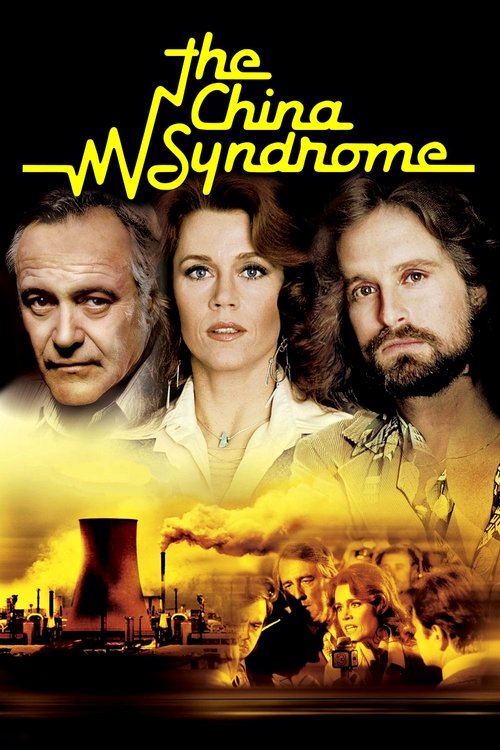
While doing a series of reports on alternative energy sources, opportunistic reporter Kimberly Wells witnesses an accident at a nuclear power plant. Wells is determined to publicize the incident, but soon finds herself entangled in a sinister conspiracy to keep the full impact of the incident a secret.
1983

1974

1999

1961

2019

1977

2019

1983
No reviews yet. Be the first to share your thoughts on this movie!
Use the rating form above to leave a star rating and optional review.