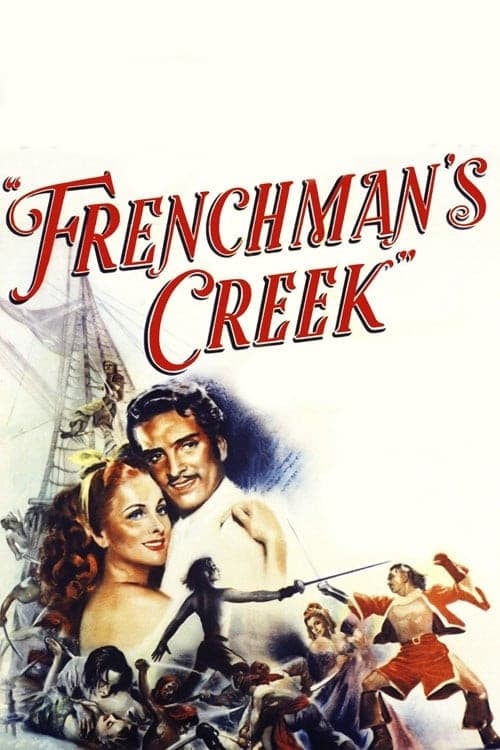
Frenchman's Creek
1944
No user ratings available yet
Representation score: 0.4 out of 10
Representation Score
Minimal
1937
ApprovedDirector
John Cromwell
Runtime
101 minutes
Average Rating
No ratings yetNew Showbiz Analysis
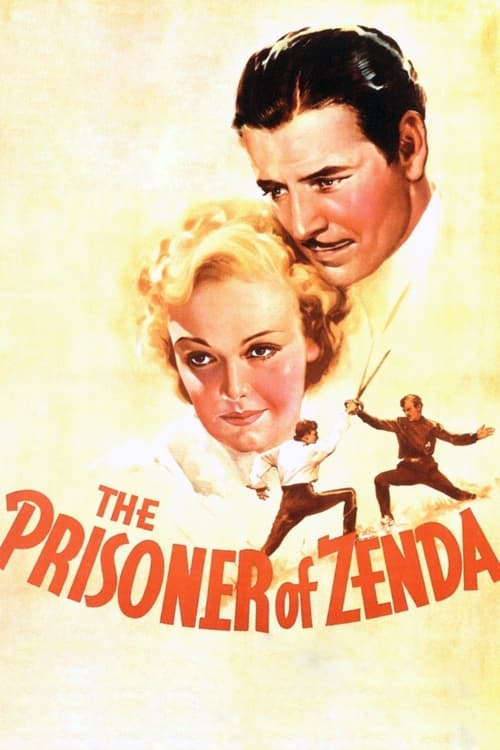
The Prisoner of Zenda exemplifies mid-century cinematic tradition. It serves as a stabilizer of social order, focusing on restoring legitimate authority through individual heroism and chivalric duty. The film reinforces established hierarchies rather than deconstructing them. Its narrative structure is built on preserving monarchy and lineage, offering a period-accurate reflection of 1937 values. While it excels as a classical adventure, it minimally engages with progressive representation, adhering strictly to the era's normative casting and social frameworks.
Category Breakdown
The film does not include any LGBTQ+ characters or non-straight relationships. The romantic storyline centers around a traditional heterosexual relationship between the main character and Princess Flavia.
Princess Flavia plays a significant role in the political landscape, helping the film pass the Bechdel test. However, the story remains focused on male-driven combat and the restoration of the throne.
The cast is uniform, reflecting the production standards of 1937. It presents an exclusively Anglo-European visual palette without any representation of diverse ethnicities.
The story upholds traditional Western institutions and monarchical traditions. It validates existing power structures rather than challenging them, emphasizing duty and social stability.
The film does not depict any visible or invisible disabilities. Characters are characterized by physical vitality and martial skills, with no acknowledgment of neurodivergence or physical impairments.
Present on Screen
Limited or Absent
Official Synopsis
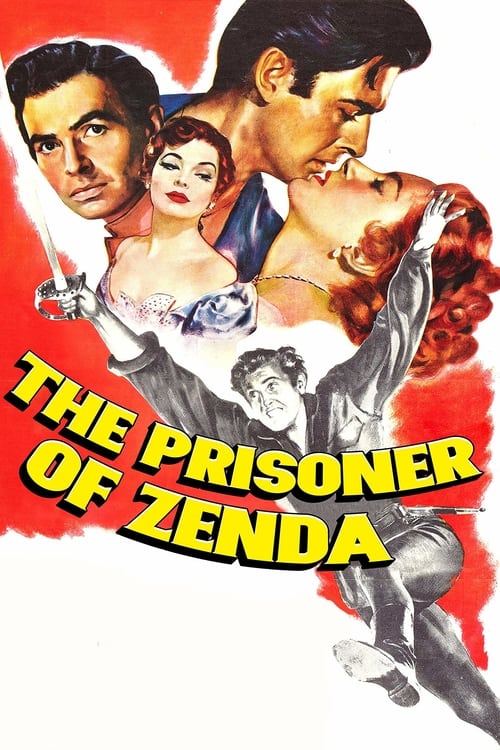
A kingdom's ascending heir, marked for assassination, switches identities with a lookalike, who takes his place at the coronation. When the real king is kidnapped, his followers try to find him, while the stand-in falls in love with the king's intended bride, the beautiful Princess Flavia.
1944
1952
1952
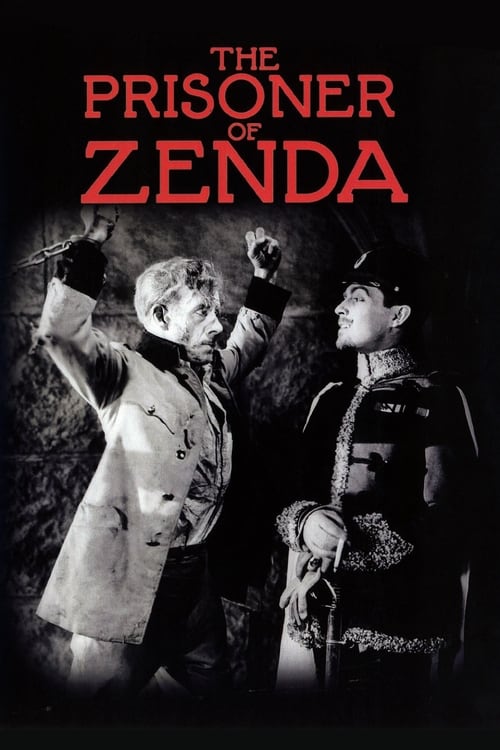
1922
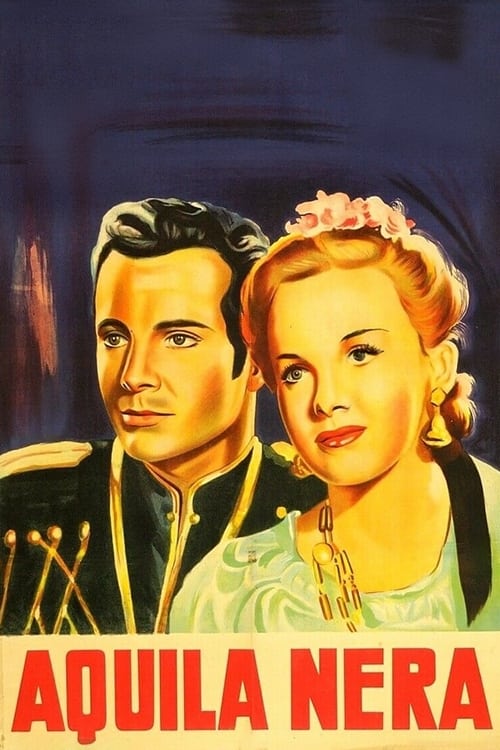
1946
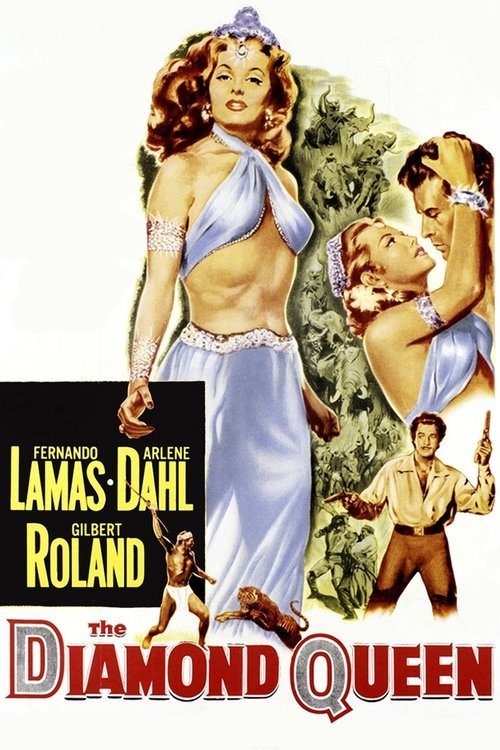
1953
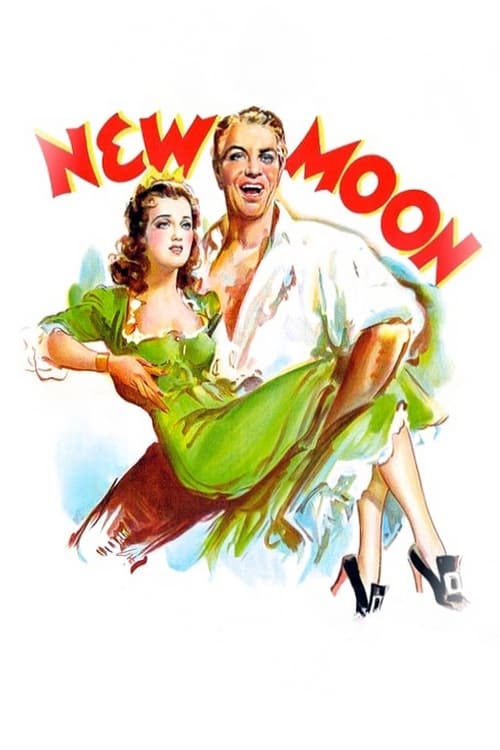
1940
1919
No reviews yet. Be the first to share your thoughts on this movie!
Use the rating form above to leave a star rating and optional review.