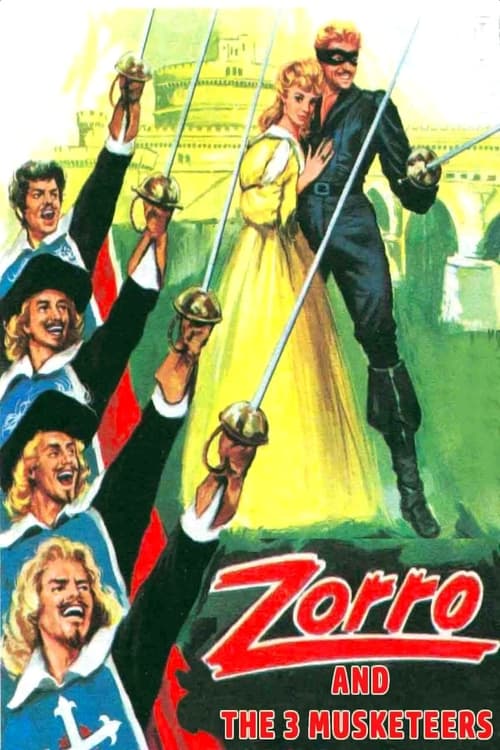
Zorro and the Three Musketeers
1963
No user ratings available yet
Representation score: 2.9 out of 10

Representation Score
Minimal
1979
PGDirector
Richard Quine
Runtime
108 minutes
Average Rating
No ratings yetNew Showbiz Analysis
The film operates as a traditional adventure-comedy that reinforces existing social, gender, and racial hierarchies. It relies on conventional storytelling clichés without challenging them. The narrative emphasizes restoring a legitimate monarchy while adhering to Eurocentric norms. This approach offers limited complexity or progressive disruption. Overall, the film preserves traditional media structures without subverting them through diverse representation.
Category Breakdown
The film follows traditional heterosexual romance structures, with the central conflict revolving around the protagonist and the Princess.
Princess Flavia has some influence over her romantic life, but the story primarily centers on male-driven political strategies.
The cast is predominantly white, reflecting a Eurocentric setting without incorporating diverse ethnic backgrounds.
The story upholds traditional Western institutions like monarchy and aristocracy, emphasizing established social hierarchies and the concept of honor.
There is no representation of physical, sensory, or neurodivergent identities, nor is disability used as a narrative device.
Present on Screen
Limited or Absent
Official Synopsis
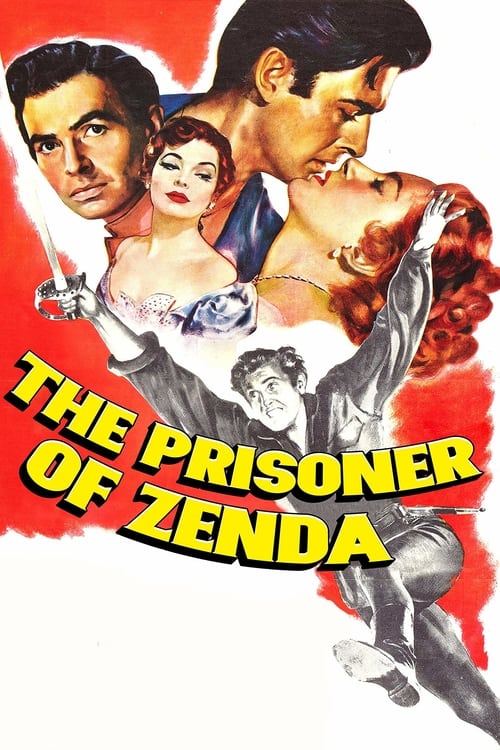
Anthony Hope's classic tale gets a decidedly 'un-classic' treatment at the hands of Peter Sellers. Following the story somewhat, friends of the new King Rudolph of Ruritania fear for his life, and switch him with a look-a-like London cabby. Throw in two(!) lovely blondes, treachery, and a battle for life and honour, and enjoy life at its zaniest.
1963
1952
1952
1955
1967
1974
1937
1975
No reviews yet. Be the first to share your thoughts on this movie!
Use the rating form above to leave a star rating and optional review.