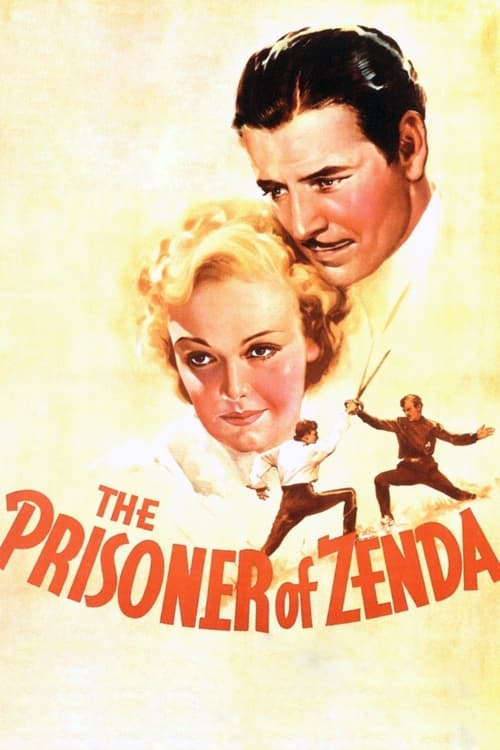
The Prisoner of Zenda
1937
No user ratings available yet
Representation score: 0.4 out of 10
Representation Score
Minimal
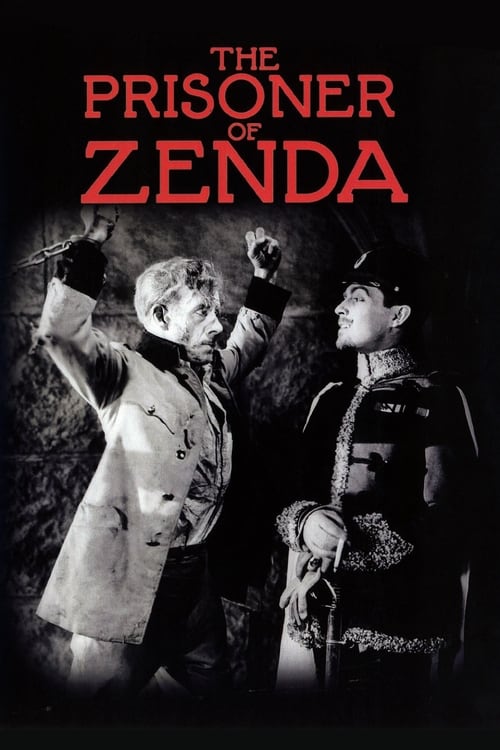
1922
PassedDirector
Rex Ingram
Runtime
113 minutes
Average Rating
No ratings yetNew Showbiz Analysis
Rex Ingram’s silent era classic embodies the early 1920s, emphasizing romantic idealism and the restoration of monarchical authority. The film adheres closely to the social hierarchies and cinematic norms of its time, offering minimal systemic challenges. The production leans heavily on traditional archetypes, where gender roles are strict and the cast is racially uniform. The story upholds the stability of the sovereign state through a lens of classical storytelling and traditional Western values. Ultimately, the film reinforces a Eurocentric worldview, focusing on duty and the sanctity of the crown without critiquing the established power structures.
Category Breakdown
The film does not include any characters with LGBTQ+ identities or subtext. The romantic relationship focuses solely on the protagonist and Princess Flavia, following conventional pairings.
Princess Flavia mainly serves as a romantic figure and symbol of stability. Her role revolves around her relationships with male characters, reinforcing traditional gender roles.
The film features a predominantly white cast set in a fictional European kingdom. It emphasizes a Eurocentric perspective of nobility without incorporating any racial diversity or varied backgrounds.
The narrative highlights the preservation of Western institutions and monarchical traditions. It centers on themes of duty and honor without questioning the established social order.
The film does not depict any characters with visible or invisible disabilities. Characters are portrayed through idealized aristocratic archetypes.
Present on Screen
Limited or Absent
Official Synopsis
A kingdom's ascending heir, marked for assassination, switches identities with a lookalike, who takes his place at the coronation. When the real king is kidnapped, his followers try to find him, while the stand-in falls in love with the king's intended bride, the beautiful Princess Flavia.
1937
1959
1916

1924

1996
1940
1919
2015
No reviews yet. Be the first to share your thoughts on this movie!
Use the rating form above to leave a star rating and optional review.