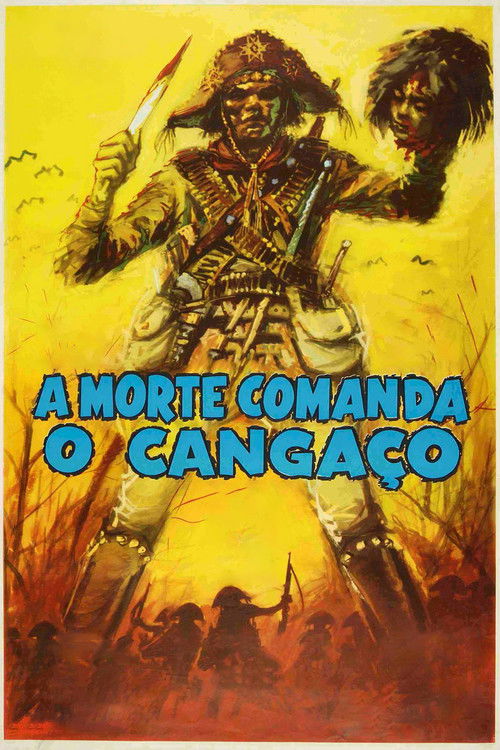
Death Commands Brigandage
1960
No user ratings available yet
Diversity score: 3.1 out of 10
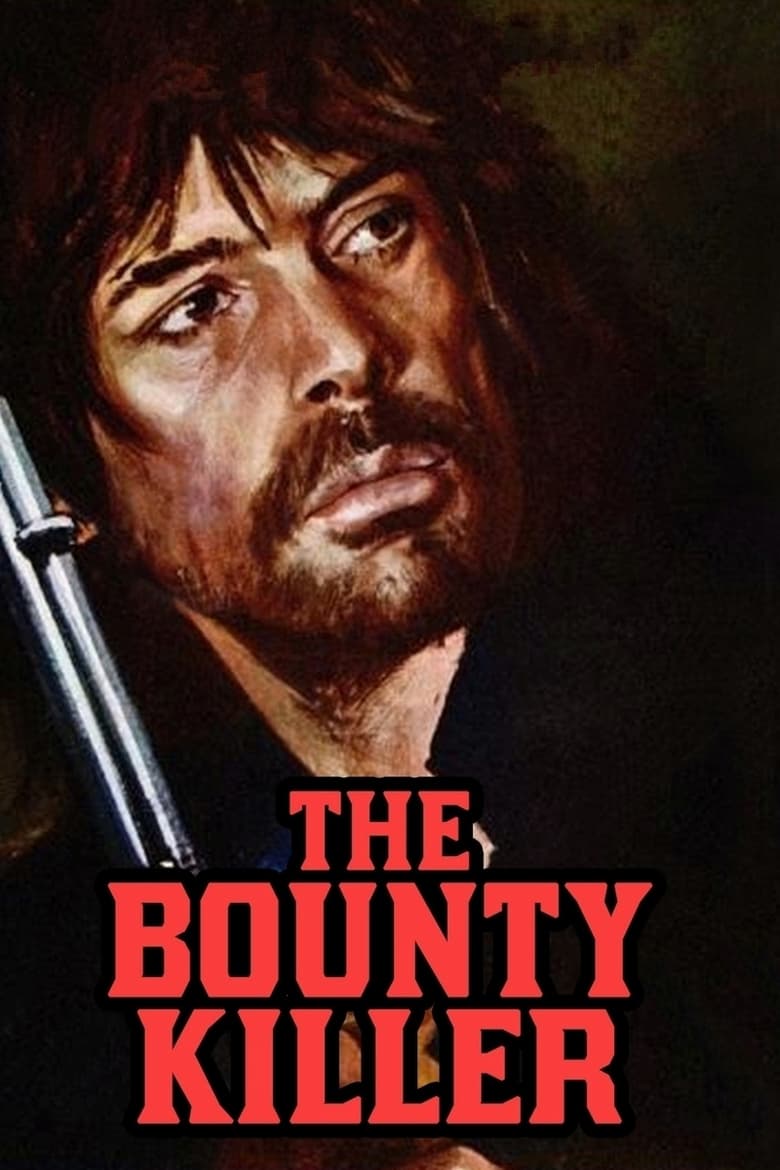
1966
RDirector
Eugenio Martín
Runtime
95 minutes
Average Rating
No ratings yetSynopsis
Escaped outlaw Jose Gomez returns to his home town pursued by bounty killer Luke Chilson. The towns people protect Gomez, unaware, at first, that he is now a changed and dangerous man.
Overall Score
Limited
Category Breakdown
LGBTQ+ Representation
The film adheres to the conventional gender and orientation frameworks typical of 1960s action cinema. There is no evidence of LGBTQ+ characters or narratives that critique heteronormativity.
Gender Representation
Narrative arcs are driven by male agency, centering on the conflict between Jose Gomez and Luke Chilson. The film reinforces traditional roles and masculine leadership without significant female agency.
Racial & Ethnic Diversity
The film disrupts the monolithic white hero archetype by centering Jose Gomez, a non-Anglo-Saxon protagonist. Racial identity and social standing appear integral to the central character dynamics.
Religious & Cultural Diversity
The story functions as a character-driven action piece focused on individualistic morality. It lacks explicit evidence of systemic or anti-institutional critiques within its Western framework.
Disability Representation
There is no visible evidence regarding the portrayal of physical or neurodivergent disabilities in this work.
Strengths
Areas for Improvement
AI Analysis
The Ugly Ones operates as a standard genre piece of its era. While it avoids the typical American Western trope of the white hero by centering a non-Anglo-Saxon protagonist, it remains deeply rooted in the masculine-driven narratives of the 1960s. The film's strength lies in its slight subversion of racial archetypes through its lead character. However, this is offset by a lack of gender diversity and a reliance on traditional, male-centric conflict. Ultimately, the film prioritizes action and vengeance over social critique or diverse representation, reflecting the period's standard cinematic hierarchies.
1960
1969
1968
1966
1976
1967
1955
1951

1966
1970
1972
1973
No reviews yet. Be the first to share your thoughts on this movie!
Use the rating form above to leave a star rating and optional review.