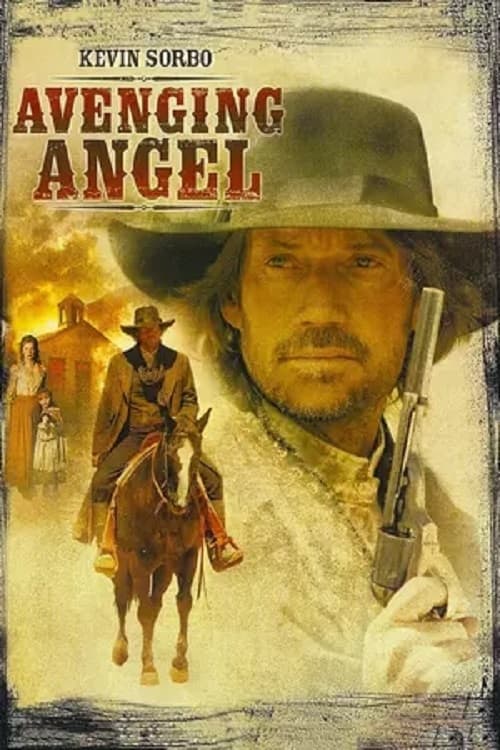
Avenging Angel
2007
No user ratings available yet
Diversity score: 3.6 out of 10
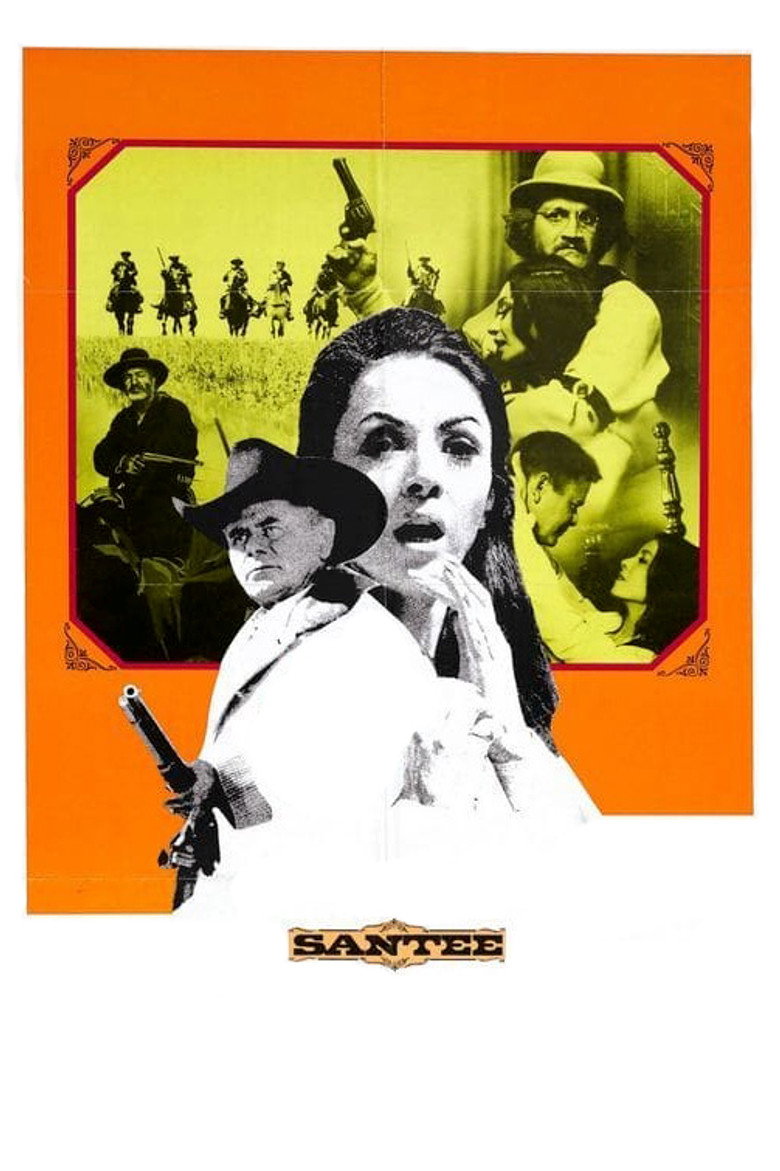
1973
PGDirector
Gary Nelson
Runtime
93 minutes
Average Rating
No ratings yetSynopsis
Jody Deakes joins up with his father after many years, just to discover that his dad is part of an outlaw gang on the run from a relentless bounty hunter named Santee. Jody is orphaned soon after Santee catches up to the gang, and follows Santee in hopes of taking vengeance for his father's death. Instead, however, Jody discovers that Santee is a good and loving man, tormented by the death of his young son at the hands of another outlaw gang. Santee and his wife take Jody in and a father and son relationship begins to grow. Then the gang that shot Santee's son shows up. The film was produced by Edward Platt of Get Smart fame. It was one of the first motion pictures to be shot electronically on videotape and then transferred to film.
Overall Score
Fair
Category Breakdown
LGBTQ+ Representation
The film contains no LGBTQ+ characters. Interpersonal dynamics focus entirely on traditional familial structures and heteronormative relationships.
Gender Representation
Female characters serve mostly as catalysts for conflict rather than independent agents. While the protagonist subverts stoic tropes through paternal care, gender dynamics follow mid-century conventions.
Racial & Ethnic Diversity
The narrative explores cultural hybridity through a protagonist raised within a Native American tribe. This framing disrupts standard Western binaries by highlighting the friction between indigenous life and expansion.
Religious & Cultural Diversity
The story engages with moral relativism by questioning the righteousness of Western forces against tribal structures. It avoids monolithic morality but remains anchored in frontier justice themes.
Disability Representation
There are no prominent depictions of physical or neurodivergent disabilities that drive the narrative forward.
Strengths
Areas for Improvement
AI Analysis
Santee acts as a transitional Western that moves beyond simple good-versus-evil tropes. It finds its strength in complicating the racial and moral landscape of the frontier through themes of cultural displacement and dual identity. However, the film is limited by its adherence to traditional gender hierarchies and a lack of intersectional complexity. While the protagonist offers emotional depth, the supporting cast remains largely functional within genre expectations. Ultimately, the film succeeds in presenting a nuanced view of belonging and identity, even as it remains tethered to the casting and social conventions of 1973.
No reviews yet. Be the first to share your thoughts on this movie!
Use the rating form above to leave a star rating and optional review.