Find another title
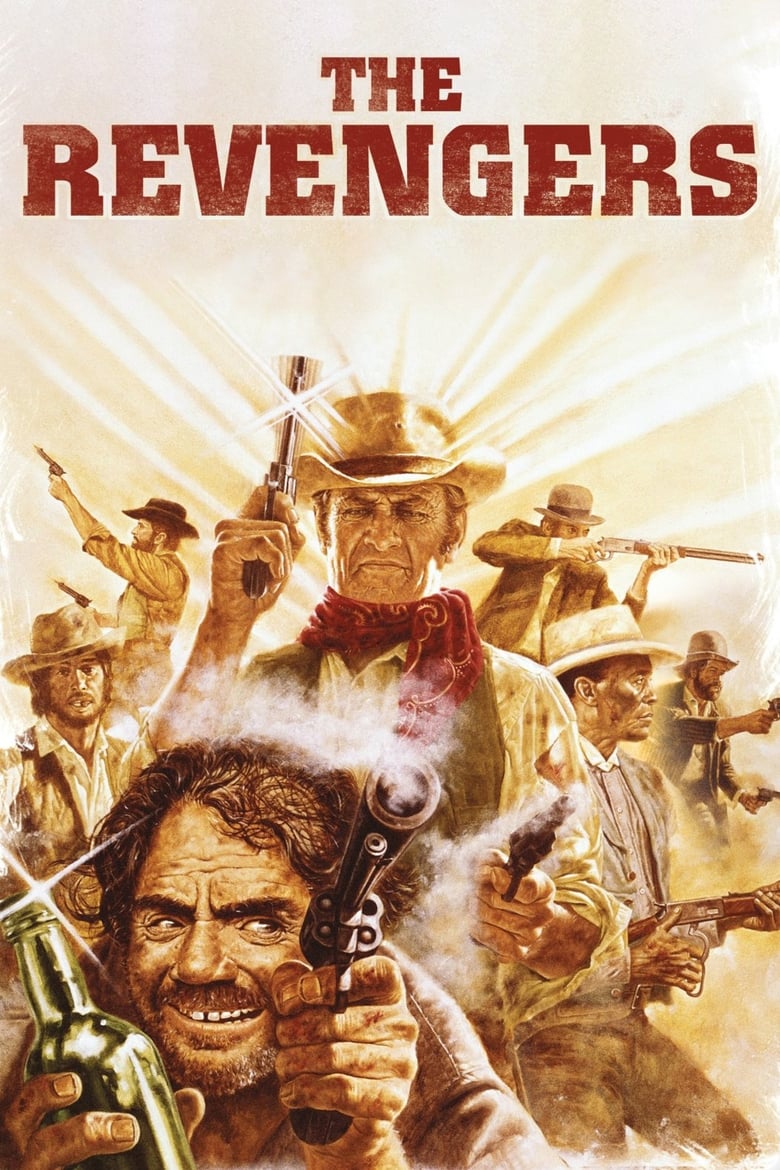
The Revengers
1972
PGDirector
Daniel Mann
Runtime
106 minutes
Average Rating
No ratings yetSynopsis
The life of peaceful rancher John Benedict is torn apart when his family is massacred by a gang of marauding outlaws and his farm is destroyed. He assembles a team of mean, lawless convicts to act as his posse as he pursues the gang responsible for the deaths of his loved ones.
Where to Watch
Diversity & Representation
Overall Score
Limited
Category Breakdown
LGBTQ+ Representation
The film operates within the heteronormative frameworks typical of 1972 action cinema. There is no evidence of queer narratives or non-cisnormative identities.
Gender Representation
Female characters function primarily as catalysts for male grief and vengeance. The story reinforces traditional roles where women are victims rather than active participants.
Racial & Ethnic Diversity
The narrative focuses on a singular rancher's lineage, suggesting a traditional Western demographic. There is little evidence of high-agency characters of color within the convict posse.
Religious & Cultural Diversity
The film explores a subjective, vigilante-based morality when formal justice fails. It aligns with traditional Western values regarding individual honor and family protection.
Disability Representation
There is no indication that physical disabilities, neurodivergence, or mental health conditions are explored as central themes or character traits.
Strengths
- Explores the breakdown of institutional stability and the failure of formal legal structures.
- Provides a character-driven focus on individual trauma and the psychological impact of loss.
Areas for Improvement
- Lacks agency for female characters, who serve mostly as motivations for male vengeance.
- Relies on traditionalist Western demographics and lacks diverse racial or ethnic representation.
- Fails to include any representation of LGBTQ+ identities or disability-related themes.
AI Analysis
The Revengers follows a traditional revenge archetype centered on a patriarchal unit. The narrative relies on the 'posse' trope, using outcasts to achieve justice where formal institutions failed. This structure prioritizes individual trauma and restorative violence over systemic critique. While the film examines the breakdown of social order, it does so through a traditionalist lens. The focus remains on the preservation of the domestic unit and the pursuit of personal retribution, adhering to established genre conventions of the era. Ultimately, the film lacks intersectional character development. It functions as a conventional genre piece that reinforces standard hierarchies of vengeance and traditional gender and racial norms.
Rate this Movie
Reviews
No reviews yet. Be the first to share your thoughts on this movie!
Use the rating form above to leave a star rating and optional review.