A Long Ride from Hell
1968
No user ratings available yet
Representation score: 3.3 out of 10
Representation Score
Minimal
1966
NRDirector
R.G. Springsteen
Runtime
83 minutes
Average Rating
No ratings yetNew Showbiz Analysis
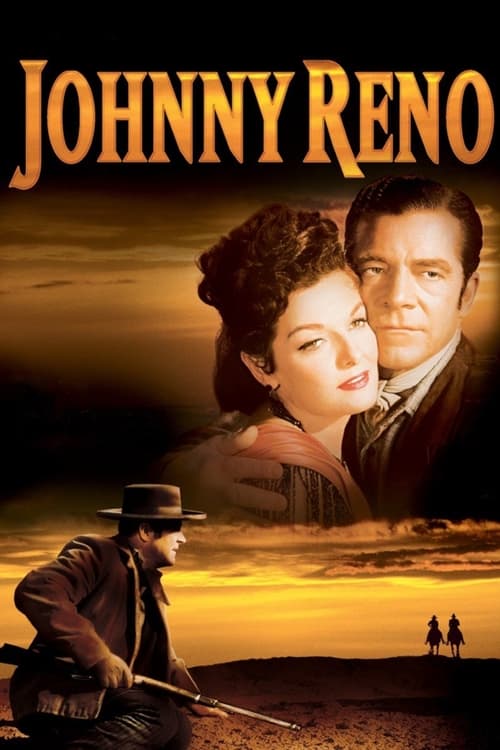
Johnny Reno is a typical mid-century Western that reinforces traditional cinematic frameworks. The narrative centers on reinforcing institutional authority and conventional genre archetypes rather than challenging social norms. The film adheres to the demographic norms of its time, emphasizing the sanctity of the judicial process and the stability of established law enforcement. It lacks the diverse representation and systemic critique found in more contemporary media.
Category Breakdown
The film does not include any LGBTQ+ characters or stories that go beyond the assumption that everyone is straight or cisgender.
The story revolves around a US Marshal, a role defined by mid-century masculine ideals. The plot emphasizes traditional masculine leadership and the maintenance of institutional order.
The film likely reflects the era's standard casting practices, focusing on Anglo-Saxon protagonists without a noticeable presence of non-white actors.
The narrative focuses on preserving Western legal institutions and upholding the rule of law. It prioritizes institutional integrity over critiques of systemic oppression.
There is no information about the inclusion of characters with physical or neurodivergent disabilities.
Present on Screen
Limited or Absent
Official Synopsis
The townsfolk are set on lynching an accused killer held in the town lockup. But US Marshal Johnny Reno stands in their way.
1968

1980
1966
1959
1952
1943
1974
1958
No reviews yet. Be the first to share your thoughts on this movie!
Use the rating form above to leave a star rating and optional review.