
Souls for Sale
1923
No user ratings available yet
Representation score: 3.2 out of 10
Representation Score
Limited
1918
Director
Ida May Park
Runtime
60 minutes
Average Rating
No ratings yetNew Showbiz Analysis
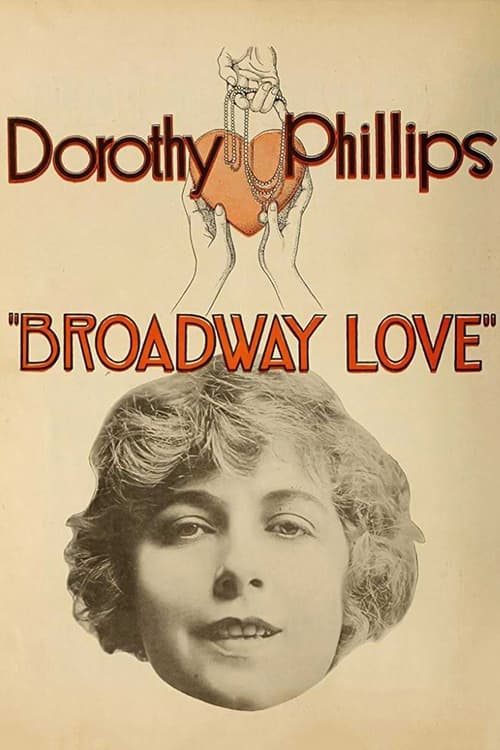
Broadway Love stands out for its female-led perspective, driven by the pioneering direction of Ida May Park. The narrative prioritizes a woman's professional aspirations, which challenges the passive female stereotypes common in early cinema. However, the film lacks depth in representing diverse identities. It relies heavily on the standard demographic norms and social structures of 1918, offering little in the way of racial or LGBTQ+ representation. Ultimately, while the film provides a platform for female empowerment, it remains a product of its time, adhering to the era's traditional and homogeneous casting patterns.
Category Breakdown
The film follows a traditional romantic storyline typical of silent-era melodramas. There is no evidence of LGBTQ+ identities or same-sex relationships within the narrative.
The story centers on a female protagonist's professional ambitions and journey toward self-actualization. By focusing on her pursuit of Broadway stardom, the film gives her significant influence and social mobility.
The film appears to reflect the homogeneous casting standards of the early 1918 studio system. There is no specific evidence of a diverse cast within the narrative structure.
The plot explores the tension between small-town morality and the liberating, complex atmosphere of urban New York. It remains largely tied to the conventional social structures of the era.
There is no documented evidence regarding the inclusion of characters with physical or neurodivergent disabilities in this work.
Present on Screen
Limited or Absent
Official Synopsis
A small-town girl who goes to New York hoping to become a Broadway star falls in with a fast crowd.
1923

1934

1928

1930
1951

1928

1926

1933
No reviews yet. Be the first to share your thoughts on this movie!
Use the rating form above to leave a star rating and optional review.