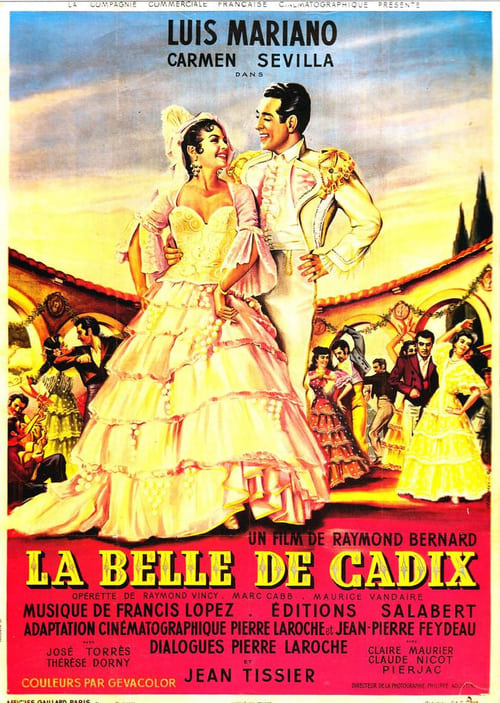
La belle de Cadix
1953
No user ratings available yet
Diversity score: 3.0 out of 10
No Poster Available
1934
ApprovedDirector
William C. McGann
Runtime
77 minutes
Average Rating
No ratings yetSynopsis
In France, opera star Enrico Baroni is tired of his mistress Pompom. After a performance, Enrico goes to a cabaret with his manager, Muldoni, and some friends. When Pompom arrives, Enrico leaves the cabaret with his servant, Fresco. Hearing music nearby, Enrico and Fresco discover a band of gypsies.
Overall Score
Limited
Category Breakdown
LGBTQ+ Representation
The film focuses on a traditional romantic entanglement between an opera star and his mistress. There is no evidence of non-cisnormative identities or same-sex intimacy.
Gender Representation
Gender dynamics follow 1930s conventions, centering on a male protagonist's relationships. Female agency appears limited to romantic availability rather than professional or intellectual leadership.
Racial & Ethnic Diversity
The inclusion of a band of gypsies introduces ethnic variety through common cinematic tropes. These depictions likely rely on romanticized archetypes rather than nuanced characterizations.
Religious & Cultural Diversity
The story utilizes standard Western European tropes like opera and cabarets. It operates within the established social and moral frameworks of 1930s romantic melodrama.
Disability Representation
The narrative contains no mention or depiction of visible or invisible disabilities.
Strengths
Areas for Improvement
AI Analysis
La buenaventura is a product of the 1930s studio system, adhering to the standardized narrative structures and social hierarchies of its era. The film functions as a conventional romantic melodrama that prioritizes traditional character archetypes over diverse or intersectional storytelling. The production lacks intentional disruption of social norms. Instead, it reinforces the mainstream cinematic expectations of the period, focusing on established romantic tropes and Western cultural settings. While the film introduces ethnic variety through the presence of gypsies, it does so through folkloric lenses common to the time. The overall lack of complex representation results in a narrative that reflects, rather than challenges, the era's status quo.
1953
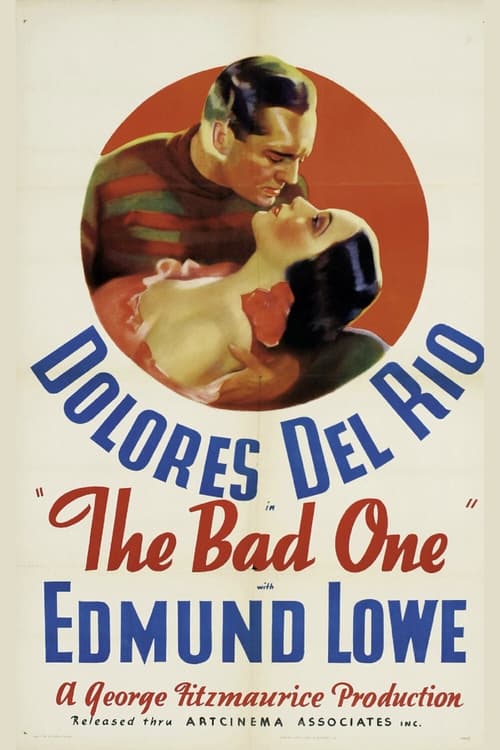
1930

1926
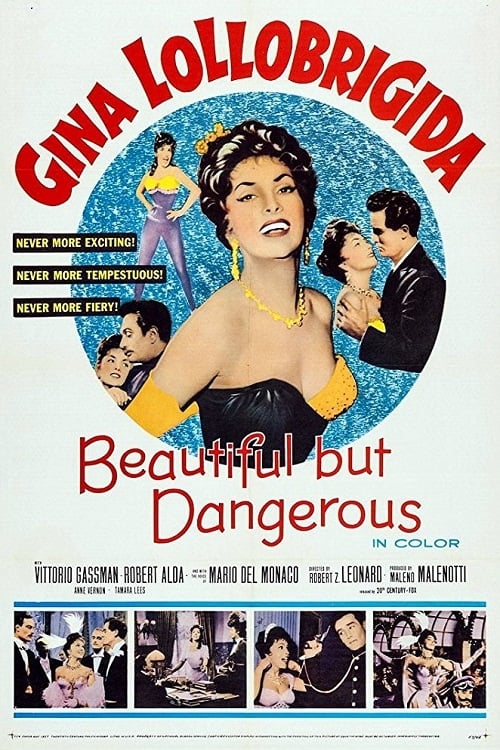
1955
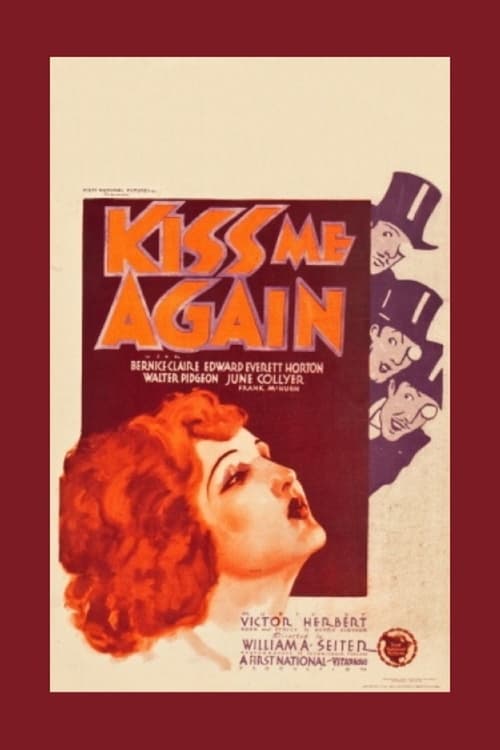
1931
1962
1947
1934
1933
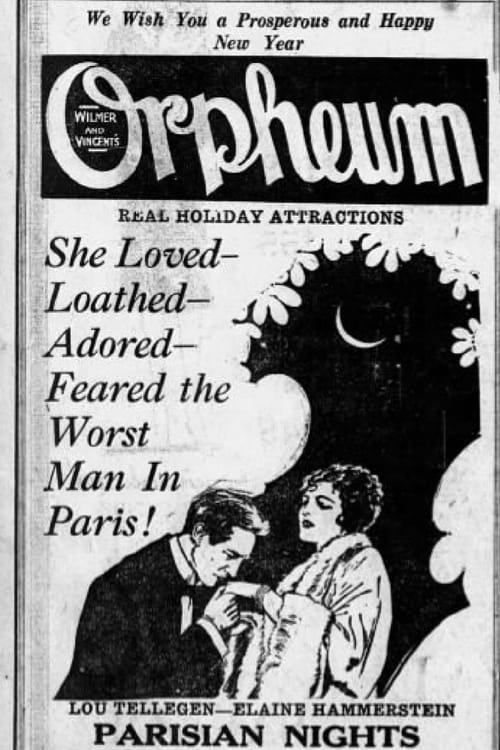
1925
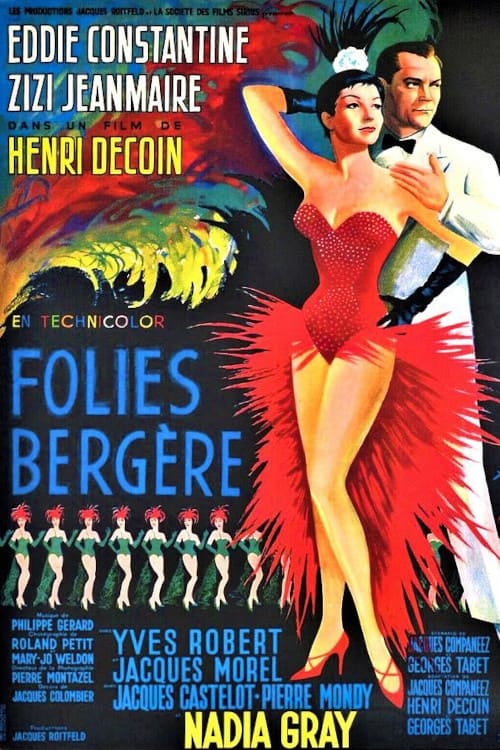
1956
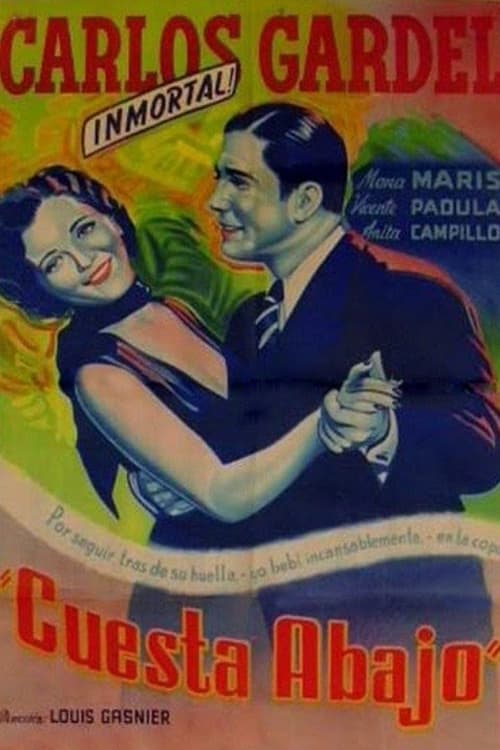
1934
No reviews yet. Be the first to share your thoughts on this movie!
Use the rating form above to leave a star rating and optional review.