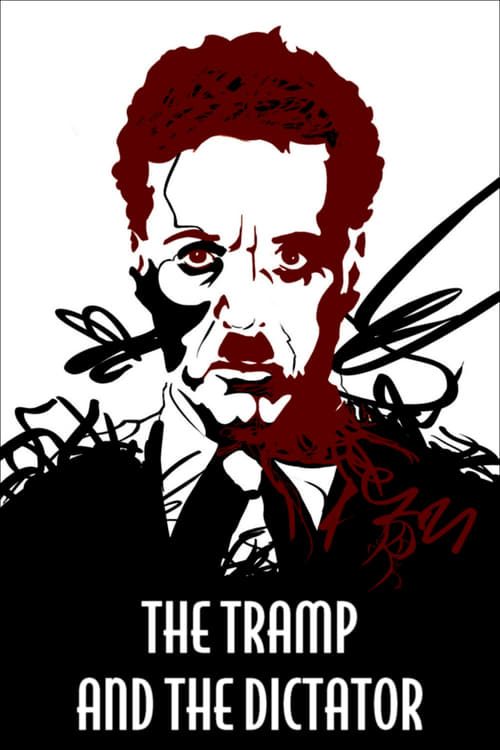
The Tramp and the Dictator
2002
No user ratings available yet
Representation score: 3.3 out of 10
Representation Score
Fair
2003
Director
Serge Toubiana
Runtime
26 minutes
Average Rating
No ratings yetNew Showbiz Analysis
This documentary serves as a scholarly retrospective on the making of a landmark film that disrupted 20th-century social hierarchies. Its strength lies in analyzing a narrative that championed underrepresented communities and critiqued systemic fascism. While the documentary's own cast consists primarily of historians and scholars, the subject matter addresses the dismantling of oppressive structures. However, the film lacks specific depictions of diverse identities, such as LGBTQ+ characters or individuals with disabilities. It functions more as a thematic analysis of historical resistance than a direct representation of diverse lived experiences.
Category Breakdown
The documentary maintains a neutral stance on LGBTQ+ identities. It focuses on the historical context of the 1940s without highlighting specific non-cisgender individuals.
The film examines how Chaplin's creative process challenged rigid, patriarchal, and militaristic structures. It highlights the subversion of traditional power hierarchies through his filmmaking.
The work engages with themes of ethnic ability to act by examining a film that criticized racial supremacy. It analyzes the dismantling of white supremacist ideologies through Chaplin's production.
The narrative prioritizes universal humanism over religious or nationalist dogma. It frames the struggle of the individual against state-driven nationalism as a central moral pillar.
There is no evidence of depictions of neurodivergence or physical disabilities within this documentary.
Present on Screen
Limited or Absent
Official Synopsis
A short documentary about the making of "The Great Dictator."
2002
1990
2013
2009
2003
1996
1996
1973
No reviews yet. Be the first to share your thoughts on this movie!
Use the rating form above to leave a star rating and optional review.