Shock Treatment
1964
No user ratings available yet
Representation score: 4.3 out of 10
Representation Score
Minimal
1962
Director
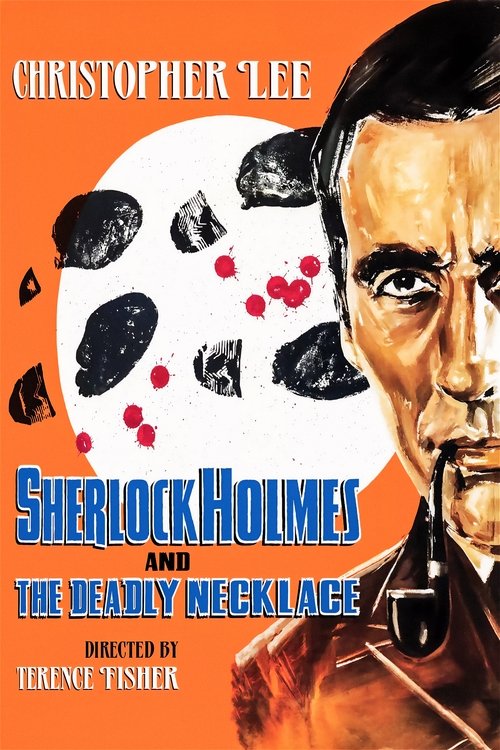
Terence Fisher
Runtime
83 minutes
Average Rating
No ratings yetNew Showbiz Analysis
Terence Fisher’s mystery operates within the traditional cinematic frameworks of the mid-20th century. The film prioritizes atmospheric tension and classical genre structures over any social deconstruction or subversion of established hierarchies. The narrative structure reinforces existing social and moral orders. By focusing on the restoration of stability through established institutions of justice, the film avoids engaging with systemic power dynamics or moral relativism. Ultimately, the work is a product of its temporal context. It functions as a conventional mystery that upholds Victorian-era gender hierarchies and Western-centric perspectives without attempting to disrupt conventional expectations.
Category Breakdown
The film strictly follows the conventions that assume everyone is straight or cisgender. There is no representation of non-straight or non-cisgender identities.
Female characters are mostly portrayed in roles of victimhood or supporting roles. The story remains centered on the male intellect and authority of Holmes and Watson.
The production features a predominantly white cast. Although the plot revolves around an Egyptian artifact, there is no meaningful representation of non-Anglo-Saxon characters.
The narrative promotes a traditional Western worldview focused on restoring social stability. It emphasizes the role of the detective as a guardian of the status quo.
There is no significant depiction of neurodivergence or physical disabilities. Physical vulnerabilities are used as standard thriller plot devices rather than as nuanced character explorations.
Present on Screen
Limited or Absent
Official Synopsis
Sherlock Holmes and Dr. Watson embark on a search for Cleopatra's ancient necklace, which has been stolen.
1964
1959
1959
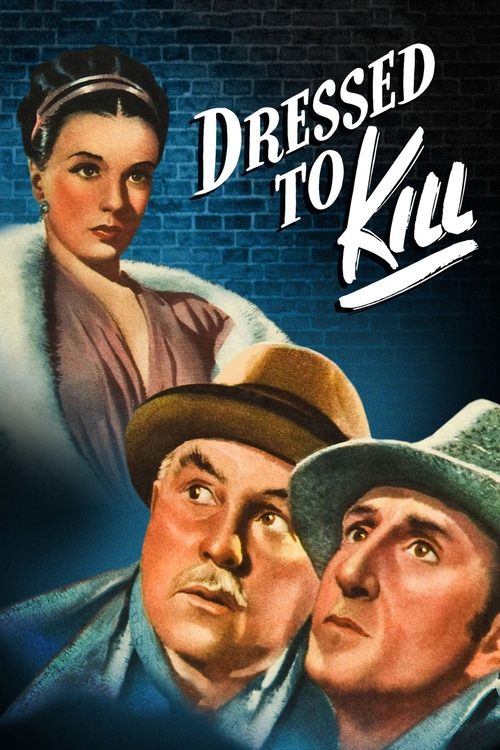
1946
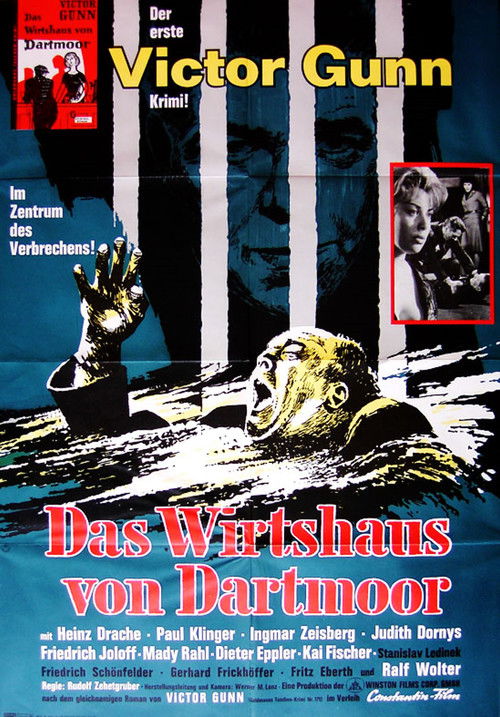
1964
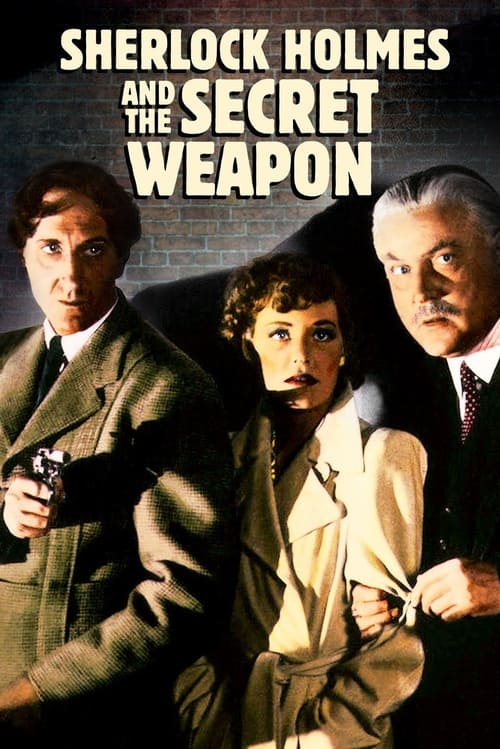
1942
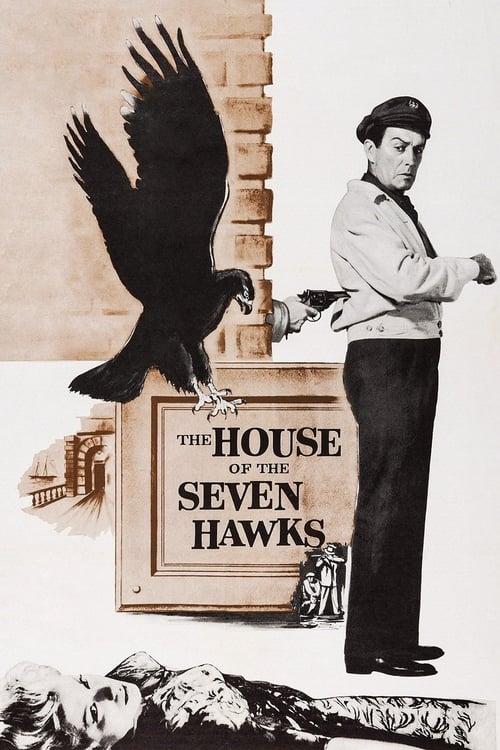
1959
1970
No reviews yet. Be the first to share your thoughts on this movie!
Use the rating form above to leave a star rating and optional review.